أهمية الغلاف في حفر النفط والغاز
يلعب الغلاف دورًا حاسمًا في عمليات حفر النفط والغاز، مما يوفر السلامة الهيكلية لحفرة البئر ويضمن سلامة وكفاءة عملية الحفر. فيما يلي بعض النقاط الرئيسية التي يجب مراعاتها:
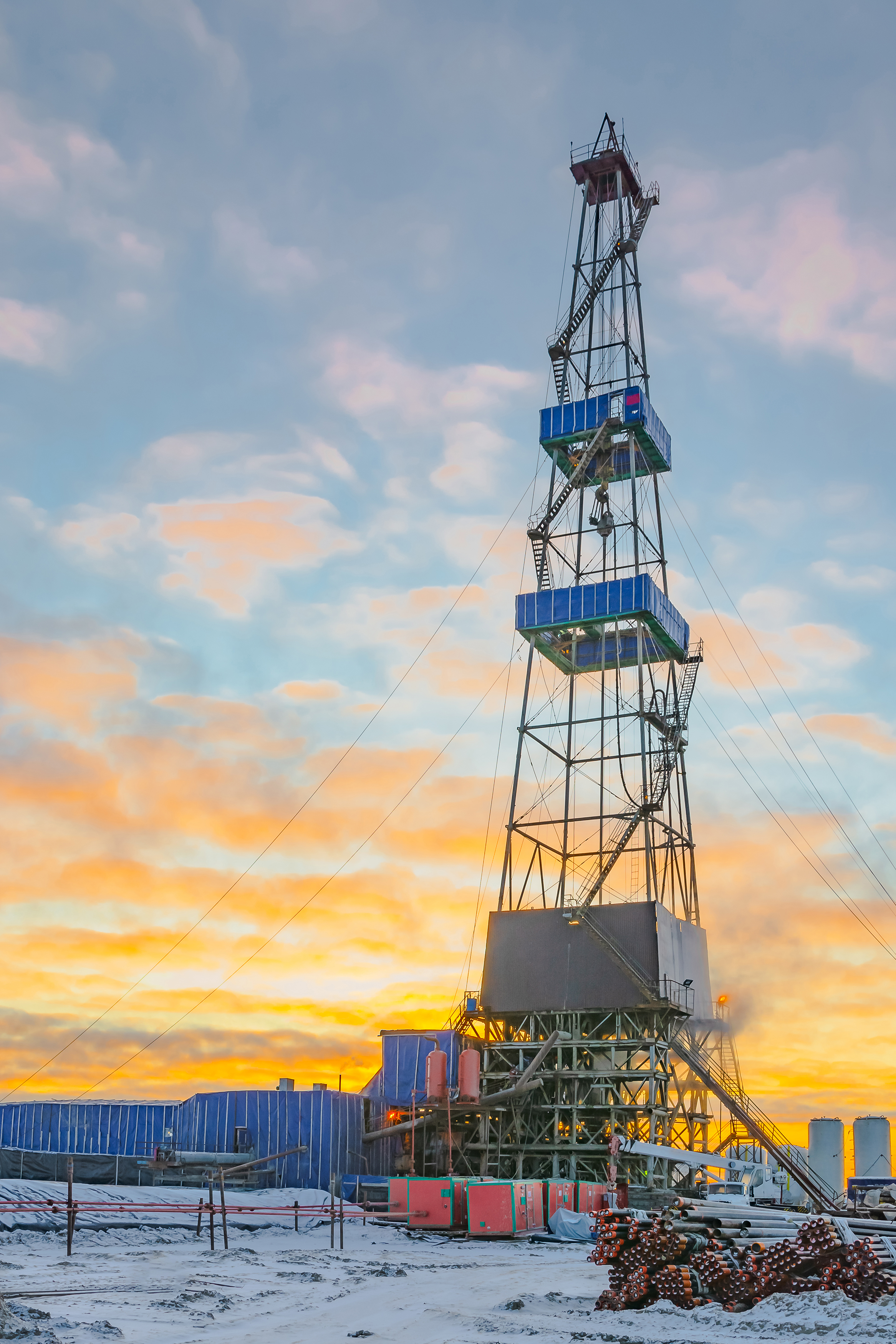
الغلاف
مسرد حفر النفط والغاز
يلعب الغلاف دورًا حاسمًا في عمليات حفر النفط والغاز، حيث يوفر السلامة الهيكلية لحفرة البئر ويضمن سلامة وكفاءة عملية الحفر. فيما يلي بعض النقاط الرئيسية التي يجب مراعاتها:
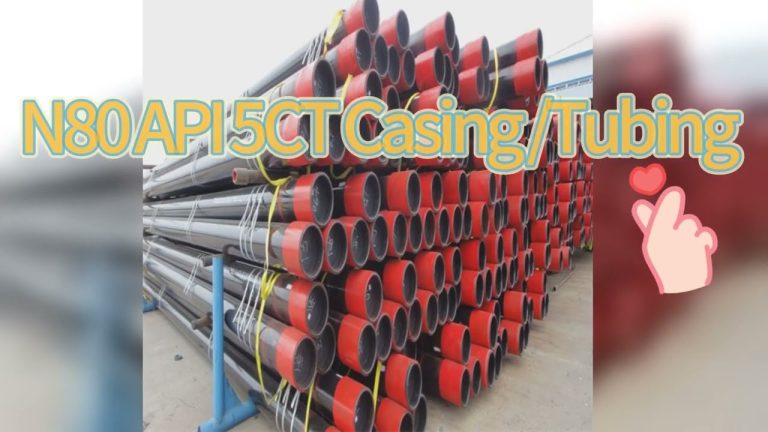
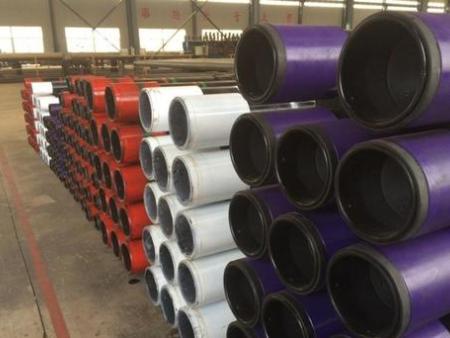
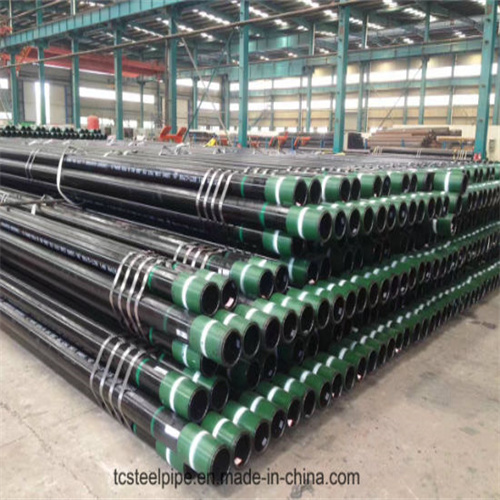
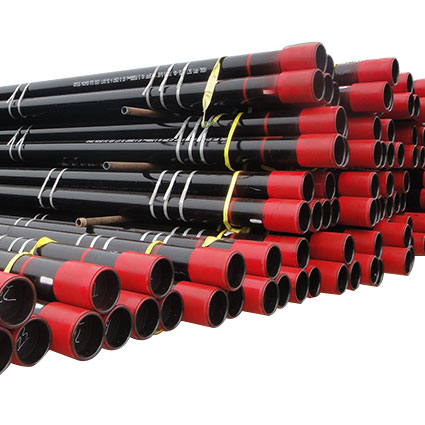
الغلاف عبارة عن هيكل أنبوبي يتم إدخاله في حفرة البئر أثناء عمليات الحفر. عادة ما تكون مصنوعة من الفولاذ وتأتي بأحجام وأطوال مختلفة. تم تصميم الغلاف ليتحمل ظروف الضغط ودرجة الحرارة المرتفعة أثناء الحفر والإنتاج.
أنابيب التغليف، غلاف أنابيب الآبار، غلاف الأنابيب العليا، الغلاف مقابل الأنابيب الحاملة، غلاف أنابيب التيار المتردد، غلاف الأنابيب الفولاذية، حجم أنبوب التغليف، غلاف سعر الأنابيب البلاستيكية، أنابيب التغليف، موردي أنابيب التغليف في الصين، غلاف أنابيب السد، حفر الغلاف الأنابيب ، الأنابيب الناقلة ، حجم أنبوب الغلاف ، شفة البطانة ، جلبة البطانة ، البطانة ، ذراع البطانة ، محمل البطانة ، مخفض البطانة ، أداة البطانة ، البطانة البلاستيكية ، معنى البطانة
يعمل الغلاف أيضًا كقناة لسوائل الحفر. يتم ضخ هذه السوائل، المعروفة باسم طين الحفر، إلى أسفل الغلاف ويتم تدويرها مرة أخرى إلى أعلى حفرة البئر. يساعد طين الحفر على تبريد لقمة الحفر، وإزالة القطع من البئر، والحفاظ على التحكم في الضغط. بدون الغلاف، لن يتم تداول سوائل الحفر بشكل فعال، مما يؤدي إلى مشاكل محتملة في عملية الحفر.
جانب مهم آخر من الغلاف هو قدرته على منع هجرة السوائل من حفرة البئر إلى التكوينات المحيطة. ويتم تحقيق ذلك من خلال استخدام الأسمنت، الذي يتم ضخه في المساحة الحلقية بين الغلاف وجدار حفرة البئر. يشكل الأسمنت ختمًا محكمًا، مما يمنع تسرب السوائل ويقلل من مخاطر التلوث البيئي.
يتم تركيب الغلاف عادةً على مراحل متعددة، حيث تتكون كل مرحلة من سلسلة غلاف ذات قطر أصغر يتم إدخالها في المرحلة السابقة. تسمح هذه العملية، المعروفة باسم “توتير الغلاف”، لعملية الحفر بالتقدم بشكل أعمق في الأرض مع الحفاظ على السلامة الهيكلية اللازمة.
من الجدير بالذكر أن تصميم وتركيب الغلاف يخضع لرقابة شديدة في صناعة النفط والغاز . تضمن المعايير والمبادئ التوجيهية المختلفة تثبيت الغلاف بشكل صحيح واستيفاء متطلبات السلامة اللازمة. تهدف هذه اللوائح إلى حماية البيئة، ومنع انفجارات الآبار، وضمان السلامة العامة للبئر.
في الختام، يلعب الغلاف دورًا حيويًا في عمليات التنقيب عن النفط والغاز. يوفر الدعم الهيكلي اللازم، ويعزل التكوينات، ويسهل تداول سوائل الحفر، ويمنع هجرة الموائع. من خلال ضمان سلامة وكفاءة عملية الحفر، يساعد الغلاف على تحقيق أقصى قدر من استخراج النفط والغاز مع تقليل المخاطر البيئية.
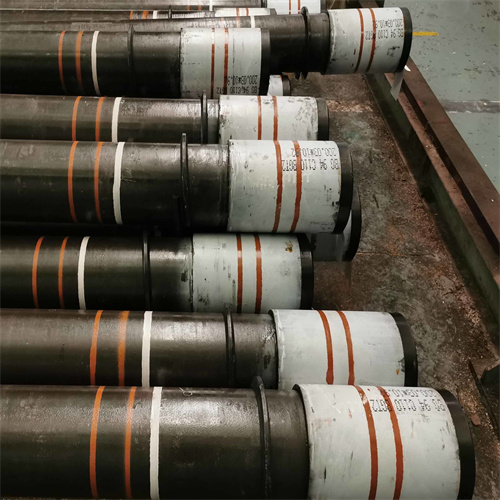
One of the primary functions of Casing is to provide structural support to the wellbore. As the drill bit penetrates the earth’s surface, the casing is inserted into the hole, preventing the walls from collapsing. This allows the drilling operation to proceed safely and efficiently.
Mild Steel Seamless PipeIn addition to providing structural support, casing also helps to isolate different formations encountered during drilling. This is crucial in preventing the mixing of fluids between different geological layers. By isolating these formations, casing helps to maintain the integrity of the well and ensures the proper extraction of Oil and Gas.
Casing Pipe,casing well pipe, casing supreme pipe, casing vs carrier pipe, casing for ac pipe, casing Steel Pipe, casing pipe size, casing pvc pipe Price, casing pipe, casing pipe Suppliers in china, casing capping pipe, casing drill pipe,carrier pipe,casing pipe size,bushing flange,bushing Sleeve,bushing,bushing arm,bushing bearing,bushing reducer,bushing tool,bushing pvc,bushing meaning
Casing also serves as a conduit for drilling fluids. These fluids, known as drilling mud, are Pumped down the casing and circulated back up the wellbore. The drilling mud helps to cool the drill bit, remove cuttings from the well, and maintain pressure control. Without casing, the drilling fluids would not be effectively circulated, leading to potential issues with the drilling operation.
Another important aspect of casing is its ability to prevent the migration of fluids from the wellbore into surrounding formations. This is achieved through the use of cement, which is pumped into the annular space between the casing and the wellbore wall. The cement forms a tight Seal, preventing the escape of fluids and minimizing the risk of environmental contamination.
Casing is typically installed in multiple stages, with each stage consisting of a smaller Diameter Casing string inserted into the previous one. This process, known as “casing stringing,” allows for the drilling operation to progress deeper into the earth while maintaining the necessary structural integrity.
It is worth noting that the design and installation of casing are highly regulated in the oil and gas industry. Various standards and guidelines ensure that casing is installed correctly and meets the necessary safety requirements. These regulations aim to protect the environment, prevent well blowouts, and ensure the overall integrity of the well.
In conclusion, casing plays a vital role in oil and gas drilling operations. It provides the necessary structural support, isolates formations, facilitates the circulation of drilling fluids, and prevents the migration of fluids. By ensuring the safety and efficiency of the drilling process, casing helps to maximize the extraction of oil and gas while minimizing environmental risks.