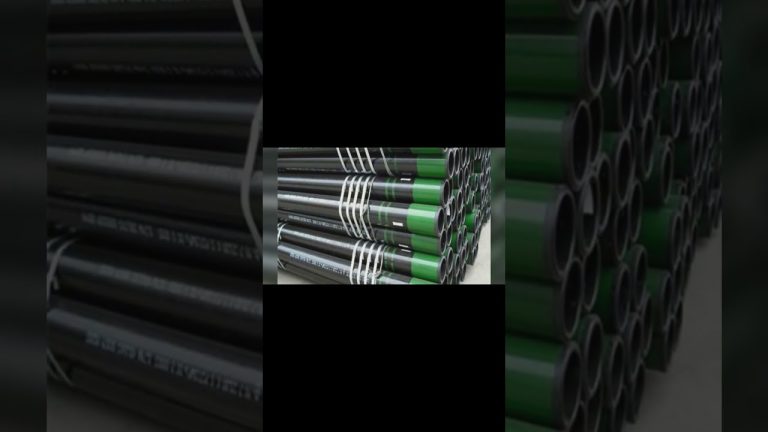
أهمية السمات الحيوية في مواد تغليف الزيت
سعر الجملة لأنابيب القيادة
العوامل التي يجب مراعاتها عند اختيار مواد تغليف الزيت

تلعب مواد تغليف النفط دورًا حاسمًا في نجاح وطول عمر عمليات التنقيب عن النفط. يعد اختيار مادة التغليف المناسبة أمرًا ضروريًا لضمان سلامة البئر وزيادة كفاءة الإنتاج إلى الحد الأقصى. عند اختيار مواد تغليف النفط، يجب أن تؤخذ عدة عوامل في الاعتبار لتلبية المتطلبات الصعبة لصناعة النفط والغاز.
أحد الاعتبارات الأساسية في اختيار مواد تغليف النفط هي البيئة المسببة للتآكل التي ستعمل فيها. تتعرض آبار النفط لظروف قاسية يمكن أن تؤدي إلى التآكل مع مرور الوقت. لذلك، من الضروري اختيار المواد التي تتمتع بمقاومة عالية للتآكل لضمان طول عمر الغلاف ومنع التسربات التي قد تؤدي إلى أضرار بيئية وخسائر مالية.
هناك عامل مهم آخر يجب مراعاته وهو الخواص الميكانيكية لمواد الغلاف. يجب أن تتمتع مواد تغليف النفط بالقوة والمتانة العالية لتحمل الضغوط ودرجات الحرارة الشديدة التي يتم مواجهتها أثناء عمليات الحفر والإنتاج. يجب أن تتمتع المادة أيضًا بمقاومة جيدة للتعب لمنع الفشل في ظل ظروف التحميل الدوري.
بالإضافة إلى مقاومة التآكل والخواص الميكانيكية، يعد الاستقرار الحراري لمواد الغلاف أيضًا من الاعتبارات المهمة. تتعرض آبار النفط لدرجات حرارة عالية أثناء الإنتاج، مما قد يؤثر على أداء مادة التغليف. إن اختيار مادة ذات ثبات حراري عالي يضمن أن الغلاف يمكنه الحفاظ على سلامته الهيكلية تحت درجات حرارة مرتفعة.
علاوة على ذلك، يعد توافق مادة التغليف مع سوائل الآبار والمواد المضافة المستخدمة في عمليات الحفر أمرًا ضروريًا. يمكن أن تتفاعل بعض السوائل والمواد المضافة مع مواد معينة، مما يؤدي إلى تآكل الغلاف أو تدهوره. من المهم اختيار المواد المتوافقة كيميائياً مع سوائل البئر لمنع أي ردود فعل سلبية قد تؤثر على سلامة البئر.
التكلفة عامل آخر يلعب دوراً هاماً في اختيار مواد تغليف النفط. في حين أنه من المهم اختيار مواد عالية الجودة تلبي المتطلبات الفنية، فمن الضروري أيضًا مراعاة فعالية التكلفة الإجمالية للمادة. يعد الموازنة بين الأداء والتكلفة أمرًا بالغ الأهمية لضمان أن المادة المختارة توفر أفضل قيمة للاستثمار.
في الختام، يعد اختيار مادة غلاف النفط المناسبة قرارًا حاسمًا يمكن أن يؤثر على نجاح عمليات التنقيب عن النفط. من خلال النظر في عوامل مثل مقاومة التآكل، والخواص الميكانيكية، والاستقرار الحراري، والتوافق الكيميائي، والتكلفة، يمكن للمشغلين اختيار المواد التي تلبي المتطلبات الصعبة لصناعة النفط والغاز. إن الاستثمار في مواد التغليف عالية الجودة لا يضمن سلامة البئر فحسب، بل يساهم أيضًا في الكفاءة والربحية الشاملة لعمليات إنتاج النفط.
Oil Casing Materials play a crucial role in the success and longevity of oil drilling operations. The selection of the right casing material is essential to ensure the integrity of the well and to maximize production efficiency. When choosing oil casing materials, several factors must be taken into consideration to meet the demanding requirements of the Oil and Gas industry.
One of the primary considerations in selecting oil casing materials is the corrosive environment in which they will be operating. Oil Wells are exposed to harsh conditions that can lead to corrosion over time. Therefore, it is vital to choose materials that have high Corrosion resistance to ensure the longevity of the casing and prevent leaks that could result in environmental damage and financial losses.
Another important factor to consider is the mechanical properties of the casing material. Oil casing materials must possess High strength and toughness to withstand the extreme pressures and temperatures encountered during drilling and production operations. The material should also have good fatigue resistance to prevent failure under cyclic loading conditions.
In addition to corrosion resistance and mechanical properties, the thermal stability of the casing material is also a critical consideration. Oil wells are subjected to high temperatures during production, which can affect the performance of the casing material. Choosing a material with high thermal stability ensures that the casing can maintain its structural integrity under elevated temperatures.
Furthermore, the compatibility of the casing material with the well fluids and additives used in drilling operations is essential. Some fluids and additives can react with certain materials, leading to corrosion or degradation of the casing. It is important to select materials that are chemically compatible with the well fluids to prevent any adverse reactions that could compromise the integrity of the well.
Cost is another factor that plays a significant role in the selection of oil casing materials. While it is important to choose high-quality materials that meet the technical requirements, it is also essential to consider the overall cost-effectiveness of the material. Balancing performance with cost is crucial to ensure that the cHosen material provides the best value for the investment.
In conclusion, selecting the right oil casing material is a critical decision that can impact the success of oil drilling operations. By considering factors such as corrosion resistance, mechanical properties, thermal stability, chemical compatibility, and cost, operators can choose materials that meet the demanding requirements of the oil and gas industry. Investing in high-quality casing materials not only ensures the integrity of the well but also contributes to the overall efficiency and profitability of oil production operations.