الاعتبارات الرئيسية لاختيار المواد المقاومة للتآكل لغلاف الزيت المتين:
علاوة على ذلك، تعد طريقة تطبيق المواد المضادة للتآكل جانبًا مهمًا يجب مراعاته. يمكن أن تؤثر طريقة التطبيق على فعالية ومتانة الطلاء المضاد للتآكل. يجب تقييم عوامل مثل سهولة التطبيق والتغطية والالتصاق ووقت المعالجة لتحديد طريقة التطبيق الأكثر ملاءمة لمشهد التطبيق المحدد. يعد التطبيق المناسب أمرًا ضروريًا لضمان تغطية موحدة وحماية طويلة الأمد ضد التآكل.
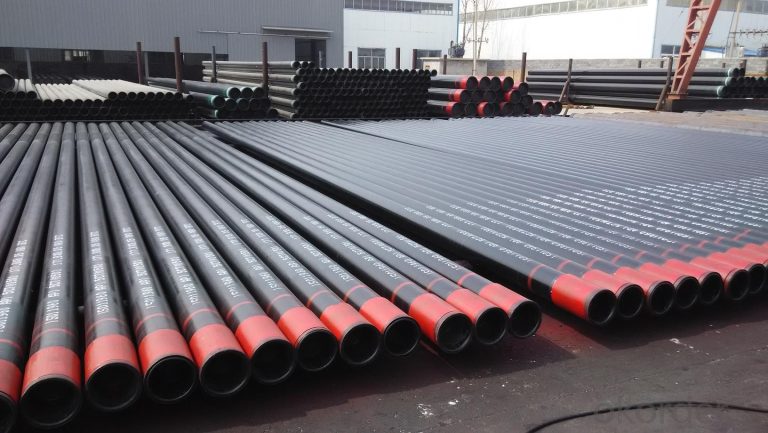
API 5ct Q125 Casing الصين أفضل الموردين
بالإضافة إلى الاعتبارات المذكورة أعلاه، ينبغي أيضًا تقييم متانة وأداء المواد المضادة للتآكل مع مرور الوقت. يجب أن تتمتع المادة المختارة بسجل حافل من المتانة ومقاومة التآكل في ظروف التشغيل المماثلة. يمكن أن يساعد إجراء بحث شامل حول تاريخ أداء المادة وطلب التوصيات من خبراء الصناعة في اتخاذ قرار مستنير بشأن المادة المقاومة للتآكل الأكثر متانة لغلاف الزيت.
تعد فعالية التكلفة عاملاً آخر لا يمكن إغفاله عند اختيار المواد المضادة للتآكل لغلاف النفط. في حين أنه من المهم اختيار مادة توفر حماية فائقة ضد التآكل، فمن الضروري أيضًا مراعاة التكلفة الإجمالية للمادة والتطبيق والصيانة على مدار دورة حياة المعدات. يعد الموازنة بين التكلفة والأداء أمرًا أساسيًا لاتخاذ خيار دائم يلبي قيود الميزانية والمتطلبات التشغيلية.
في الختام، يتطلب اختيار مادة متينة مضادة للتآكل لغلاف الزيت لمشهد تطبيق معين دراسة متأنية لعوامل مختلفة، بما في ذلك البيئة المسببة للتآكل والتوافق مع مادة الغلاف وطريقة التطبيق والمتانة والأداء والفعالية من حيث التكلفة. من خلال أخذ هذه الاعتبارات الأساسية في الاعتبار وإجراء بحث شامل، من الممكن اتخاذ قرار مستنير يضمن حماية وكفاءة غلاف الزيت على المدى الطويل في ظروف التشغيل الصعبة.
In addition to the above considerations, the durability and performance of the anticorrosion Material over time should also be evaluated. The material selected should have a proven track record of durability and resistance to corrosion in similar operating conditions. Conducting thorough research on the performance history of the material and seeking recommendations from industry experts can help in making an informed decision on the most durable anticorrosion material for the Oil Casing.
Cost-effectiveness is another factor that cannot be overlooked when selecting anticorrosion materials for oil casing. While it is important to choose a material that offers superior corrosion protection, it is also essential to consider the overall cost of the material, application, and Maintenance over the lifecycle of the equipment. Balancing cost with performance is key to making a durable choice that meets both budgetary constraints and operational requirements.
In conclusion, selecting a durable oil casing anticorrosion material for a specific application scene requires careful consideration of various factors, including the corrosive environment, compatibility with casing material, application method, durability, performance, and cost-effectiveness. By taking these key considerations into account and conducting thorough research, it is possible to make an informed decision that ensures long-term protection and efficiency of the oil casing in challenging operating conditions.