فهم أهمية اختيار المادة المناسبة المضادة للتآكل لغلاف الزيت
العوامل التي يجب مراعاتها عند اختيار المواد المضادة للتآكل لغلاف الزيت لسياق تطبيق محدد
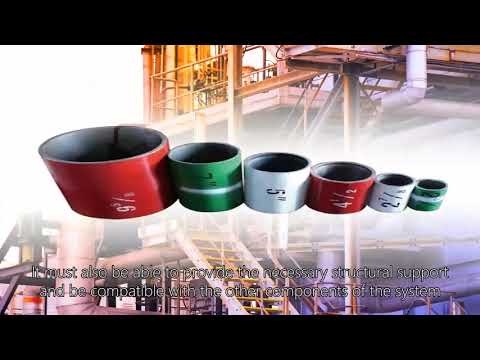 تلعب المواد المضادة للتآكل في أغلفة النفط دورًا حاسمًا في حماية آبار النفط من التآكل، مما يضمن طول عمر وكفاءة عملية الاستخراج. يعد اختيار المواد المضادة للتآكل المناسبة أمرًا ضروريًا لضمان الأداء الأمثل في سياق التطبيق المحدد. هناك عدة عوامل يجب أخذها في الاعتبار عند اختيار المادة الأكثر ملاءمة لمقاومة التآكل لغلاف النفط.
أحد العوامل الأساسية التي يجب مراعاتها هي البيئة التي يعمل فيها بئر النفط. تقدم البيئات المختلفة مستويات مختلفة من العناصر المسببة للتآكل مثل الرطوبة والمواد الكيميائية وتقلبات درجات الحرارة. يعد فهم الظروف المحددة لموقع البئر أمرًا بالغ الأهمية في اختيار مادة مقاومة للتآكل يمكنها تحمل هذه التحديات بفعالية.
يؤثر نوع النفط الذي يتم استخراجه أيضًا على اختيار مادة مقاومة التآكل. يمكن أن يختلف تكوين النفط الخام بشكل كبير، حيث تكون بعض الأنواع أكثر تآكلًا من غيرها. من الضروري مراعاة الخواص الكيميائية للزيت وكيفية تفاعلها مع المواد المضادة للتآكل مع مرور الوقت.
علاوة على ذلك، تعد درجة حرارة التشغيل لبئر النفط عاملاً حاسماً يجب أخذه في الاعتبار. يمكن أن تؤدي درجات الحرارة المرتفعة إلى تسريع عمليات التآكل، مما يجعل من الضروري اختيار مادة مقاومة للتآكل يمكنها تحمل درجات الحرارة المرتفعة دون أن تتحلل.
وتعد الخواص الميكانيكية للمادة المضادة للتآكل من الاعتبارات المهمة أيضًا. يجب أن تكون المادة قادرة على تحمل الضغوط والضغوط الميكانيكية التي تحدث أثناء عمليات استخراج النفط. يجب تقييم عوامل مثل قوة الشد والصلابة والليونة لضمان أداء المادة بفعالية في سياق التطبيق المحدد.
تعتبر فعالية التكلفة عاملاً حاسماً آخر يجب مراعاته عند اختيار المواد المضادة للتآكل لغلاف الزيت. في حين أنه من المهم اختيار مادة توفر مقاومة فائقة للتآكل، فمن الضروري أيضًا تحقيق التوازن بين الأداء والتكلفة. يمكن أن يساعد إجراء تحليل التكلفة والعائد في تحديد الخيار الأكثر اقتصادًا دون المساس بالجودة.
بالإضافة إلى العوامل المذكورة أعلاه، يجب أيضًا أن تؤخذ في الاعتبار سهولة تطبيق وصيانة المواد المضادة للتآكل. يمكن للمواد التي يسهل تطبيقها وتتطلب الحد الأدنى من الصيانة أن تساعد في تقليل وقت التوقف عن العمل وتكاليف التشغيل على المدى الطويل.
أخيرًا، يعد مراعاة المتطلبات التنظيمية ومعايير الصناعة أمرًا ضروريًا عند اختيار المواد المضادة للتآكل لغلاف الزيت. إن الامتثال للوائح ذات الصلة يضمن السلامة والاستدامة البيئية لعمليات استخراج النفط.
الفعالية وسهولة التطبيق والامتثال التنظيمي. ومن خلال النظر بعناية في هذه العوامل، يمكن لشركات النفط اتخاذ قرارات حكيمة تعزز طول عمر آبارها النفطية وكفاءتها.
Oil Casing anticorrosion Materials play a crucial role in protecting Oil Wells from corrosion, ensuring the longevity and efficiency of the extraction process. Selecting the right anticorrosion material is essential to ensure optimal performance in the specific application context. Several factors need to be considered when choosing the most suitable material for oil casing anticorrosion.
One of the primary factors to consider is the environment in which the oil well operates. Different environments present varying levels of corrosive elements such as moisture, chemicals, and temperature fluctuations. Understanding the specific conditions of the well site is crucial in selecting an anticorrosion material that can withstand these challenges effectively.
The type of oil being extracted also influences the choice of anticorrosion material. Crude oil composition can vary significantly, with some types being more corrosive than others. It is essential to consider the chemical properties of the oil and how they may interact with the anticorrosion material over time.
Furthermore, the operating temperature of the oil well is a critical factor to consider. high temperatures can accelerate corrosion processes, making it necessary to choose an anticorrosion material that can withstand elevated temperatures without degrading.
The mechanical properties of the anticorrosion material are also important considerations. The material must be able to withstand the mechanical stresses and pressures experienced during oil extraction operations. Factors such as tensile strength, hardness, and ductility should be evaluated to ensure the material can perform effectively in the given application context.
Cost-effectiveness is another crucial factor to consider when selecting oil casing anticorrosion materials. While it is important to choose a material that offers superior Corrosion resistance, it is also essential to balance performance with cost. Conducting a cost-benefit analysis can help determine the most economical option without compromising on quality.
In addition to the above factors, the ease of application and Maintenance of the anticorrosion material should also be taken into account. Materials that are easy to apply and require minimal maintenance can help reduce downtime and operational costs in the long run.
Lastly, considering the regulatory requirements and industry standards is essential when choosing oil casing anticorrosion materials. Compliance with relevant regulations ensures the safety and environmental sustainability of oil extraction operations.
In conclusion, selecting the right oil casing anticorrosion material involves a comprehensive evaluation of various factors, including environmental conditions, oil composition, operating temperature, mechanical properties, cost-effectiveness, ease of application, and regulatory compliance. By carefully considering these factors, oil Companies can make judicious decisions that enhance the longevity and efficiency of their oil wells.