تدقيق المواد المعمرة لتغليف الزيت: تحليل مقارن
على الرغم من أن المقارنة المادية مفيدة، إلا أنها لا يمكن أن تتجاهل التكاليف المرتبطة بها. يمكن أن يكون الفولاذ، على الرغم من قوته، خيارًا مكلفًا، خاصة أنواع السبائك عالية الجودة. من ناحية أخرى، على الرغم من القدرة على تحمل التكاليف، قد يتطلب إنتاج المواد المركبة عمليات تصنيع معقدة، مما يجعل الإنتاج الضخم أمرًا صعبًا. يعد HDPE بديلاً فعالاً من حيث التكلفة نسبيًا، لكنه لا يتحمل الحرارة الشديدة، على عكس الفولاذ. في مثل هذه البيئات ذات درجات الحرارة العالية، قد تتعرض أغلفة HDPE للخطر، مما يؤدي إلى فشل تشغيلي.
في النهاية، يمثل اختيار المادة توازنًا دقيقًا بين المتانة والمقاومة وفعالية التكلفة. يتم إنشاء هذا الرصيد بناءً على متطلبات المشروع المحددة والظروف الميدانية والميزانية المتاحة. يعد البحث عن المادة الأكثر ملاءمة سعيًا مستمرًا لأن أي تنازل عن الجودة يمكن أن يكون له آثار خطيرة على كل من الفعالية التشغيلية والسلامة. يتمتع كل من الفولاذ والمواد المركبة والبولي إيثيلين عالي الكثافة بنقاط قوة فريدة، ويمكن نشرها بشكل انتقائي بناءً على الظروف والمتطلبات المحددة. على الرغم من القيود الفردية الخاصة بهم، مع التطبيق الصحيح، يمكنهم ضمان العمليات السلسة وصياغة مسار ناجح في صناعة استخراج النفط واستكشافه.
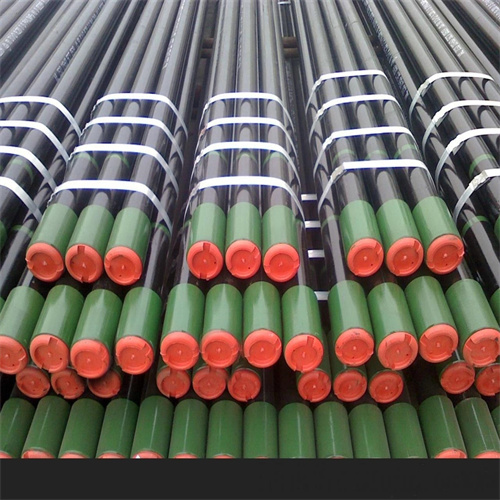
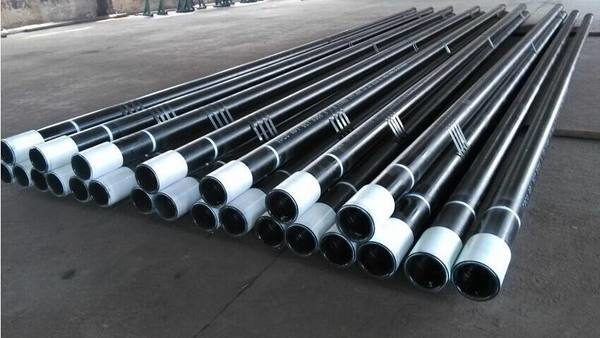
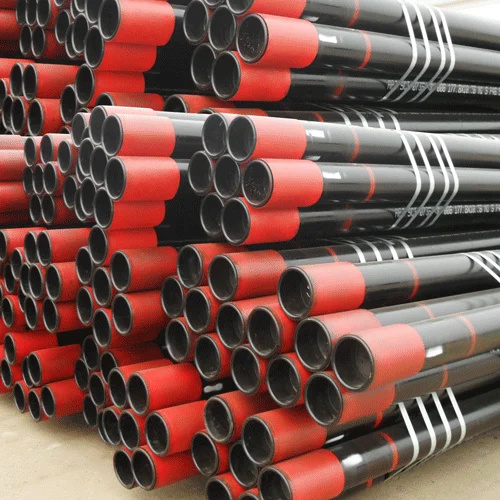
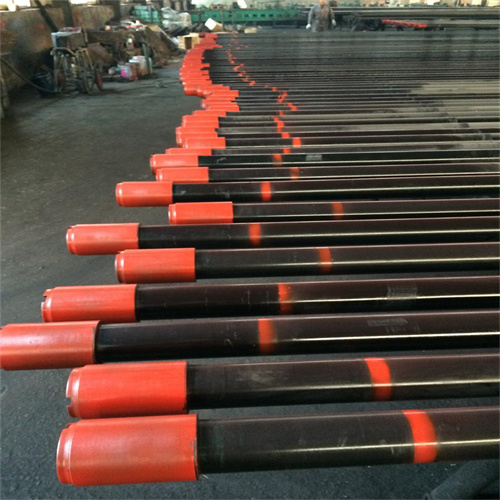
 A prevalent choice for Oil Casing is Steel, specifically, carbon or alloy steel. The major virtues of steel are its superior strength, resistance to corrosion, and thermal stability. These attributes make it suitable for pressures and temperatures found in challenging oil fields. steel casings also benefit from the availability in a wide range of grades, thicknesses, and Diameters, offering engineers ample flexibility to pick a specific variety that would best suit their operational needs.
Composite Materials, often under-tapped resources, also have their merits in oil casing applications. These materials, formed by combining two or more different materials, retain their individual characteristics while offering properties that cannot be achieved by single constituents. They offer a high strength-to-Weight ratio and possess excellent Corrosion resistance. The resistance to various corrosive agents – including salt, acids, alkalis, and hydrocarbons – makes composite materials immensely beneficial for oil casing in harsh environments.
Last is the high-density polyethylene (HDPE) – a type of plastic widely used in making oil casings. It is praised for its good fatigue and wear resistance, minimal water absorption, and excellent chemical resistance. HDPE can withstand corrosive environments and does not weaken under constant exposure to harmful substances. Lightweight and flexibility are other advantages that make HDPE a fitting contender for oil casing in areas with difficult geographies.
While material comparison is beneficial, it cannot ignore the associated costs. Steel, though robust, can be an expensive option, especially the high-grade alloy variants. On the other hand, despite affordability, composite materials’ production may entail sophisticated manufacturing processes, making mass production challenging. HDPE is a relatively cost-effective alternative, but it doesn’t hold up well against extreme heat, unlike steel. In such high-temperature environments, the hdpe casings may be compromised, resulting in operational failures.
Ultimately, the choice of material is a fine balance between durability, resistance, and cost-effectiveness. This balance is established based on specific project requirements, field conditions, and available budget. The search for the most suitable material is a continuous quest as any compromise on quality can have serious implications on both operational effectiveness and safety.
casing jointsIn conclusion, durability and viability of materials for oil casing is a critical consideration in the oil industry. Steel, composite materials, and HDPE all have their unique strengths, and they can be selectively deployed based on the specific conditions and requirements. Despite their individual limitations, with the correct application, they can ensure Smooth operations and craft a successful trajectory in the oil extraction and exploration industry.