المواد المركبة المتقدمة في تصميم أغلفة الزيت: إطالة عمر الخدمة والمتانة
_wh300.jpg”يتم التأكيد على متانة أغلفة الزيت المركبة من خلال قدرتها على تحمل التحميل الدوري والتعب، وهي التحديات الشائعة في عمليات استخراج النفط. على عكس الفولاذ، الذي قد يعاني من التشقق الناتج عن التآكل الإجهادي بمرور الوقت، فإن المواد المركبة تظهر مقاومة فائقة للتعب ومتانة تحت الأحمال الديناميكية. تضمن هذه السمة عمر خدمة طويل وموثوقية، وبالتالي تقليل وقت التوقف عن العمل وتعزيز الكفاءة التشغيلية الشاملة.
في الختام، يمثل دمج المواد المركبة المتقدمة في تصميم غلاف النفط ابتكارًا تحويليًا له آثار بعيدة المدى على صناعة النفط والغاز. ومن خلال إطالة عمر الخدمة، وتعزيز المتانة، وتقليل التأثير البيئي، لا تعمل الأغلفة المركبة على تحسين الكفاءة التشغيلية فحسب، بل تدعم أيضًا الممارسات المستدامة في استخراج الموارد. مع استمرار تقدم البحث والتطوير في علوم المواد، يعد المستقبل بخطوات أكبر في تحسين أداء وموثوقية البنية التحتية لآبار النفط. يؤكد هذا التطور التزام الصناعة بالحلول القائمة على الابتكار والتي تلبي تحديات اليوم بينما تمهد الطريق لغد أكثر استدامة.
 تطبيقات تقنية النانو في أغلفة الزيوت: تعزيز القوة والأداء
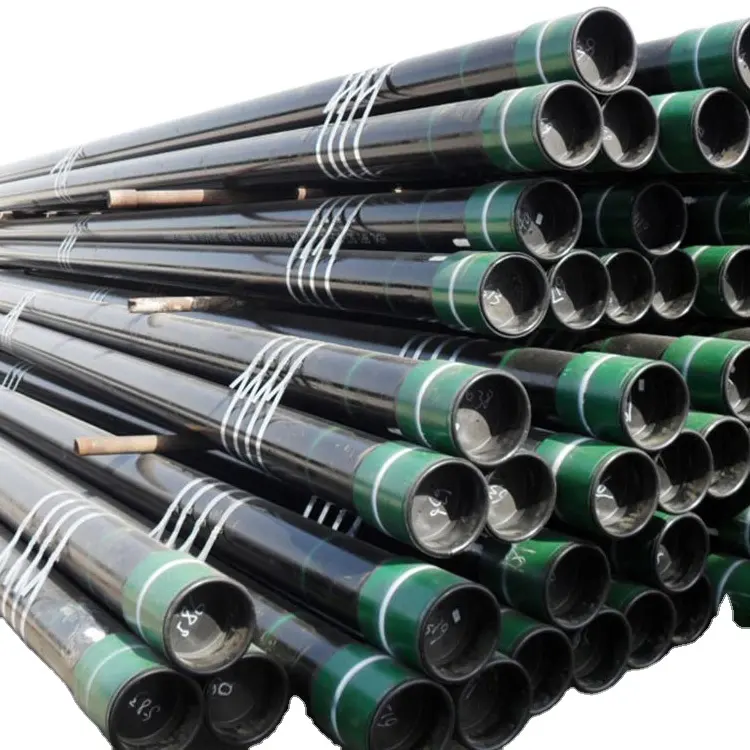
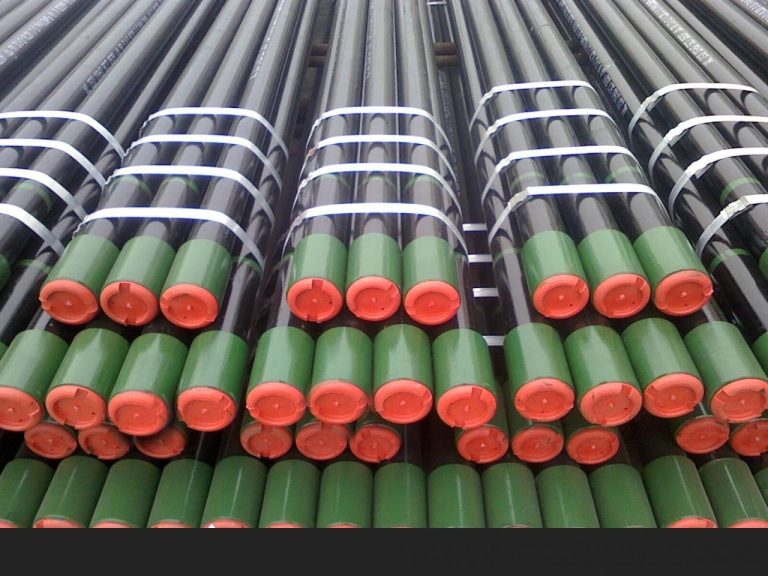
API 5ct C110 Casing أفضل مصنع صيني
تقليديًا، يتم تصنيع أغلفة النفط من سبائك فولاذية تحظى بتقدير كبير لمتانتها ومقاومتها للظروف القاسية التي تواجهها في أعماق الأرض. ومع ذلك، حتى السبائك الأكثر متانة تواجه تحديات مثل التآكل والتآكل والضغط الميكانيكي بمرور الوقت، مما يؤدي إلى عمليات إصلاح واستبدال مكلفة. لمعالجة هذه المشكلات، لجأ الباحثون إلى تكنولوجيا النانو، وتسخير الخصائص الفريدة للمواد النانوية لتحصين مواد الغلاف على المستوى الجزيئي.
في قلب هذا الابتكار يكمن دمج الجسيمات النانوية في مصفوفة مادة الغلاف. تمتلك الجسيمات النانوية، التي يتراوح حجمها عادة من 1 إلى 100 نانومتر، قوة غير عادية وخصائص سطحية يمكن أن تعزز بشكل كبير المرونة الميكانيكية والكيميائية لسبائك الفولاذ. من خلال تشتيت الجسيمات النانوية مثل أنابيب الكربون النانوية أو الطين النانوي داخل مصفوفة الفولاذ أثناء التصنيع، يمكن للمهندسين إنشاء مادة مركبة ليست أقوى فحسب، بل أيضًا أكثر مقاومة للتآكل والتآكل.
يخدم دمج الجسيمات النانوية أغراضًا متعددة. أولاً، تعمل هذه التعزيزات النانوية كحواجز، مما يعيق انتشار الشقوق ويقلل من قابلية تعرض الغلاف للعطل الميكانيكي تحت الضغط. ثانيًا، تعمل نسبة مساحة السطح إلى الحجم العالية على تعزيز تفاعل المادة مع مواد التشحيم ومثبطات التآكل، وبالتالي تحسين مقاومة الغلاف للتحلل الكيميائي في البيئات المسببة للتآكل.
علاوة على ذلك، تسمح تقنية النانو بالتصميم الدقيق لخصائص المواد لتلبية متطلبات تشغيلية محددة. . على سبيل المثال، من خلال ضبط نوع وتركيز الجسيمات النانوية، يمكن للمهندسين تحسين تصميمات الغلاف للخزانات ذات الضغط العالي ودرجة الحرارة العالية أو البيئات الغنية بالعوامل المسببة للتآكل مثل كبريتيد الهيدروجين. لا يؤدي هذا التنوع إلى إطالة عمر خدمة الغلاف فحسب، بل يعزز أيضًا السلامة والموثوقية التشغيلية. يمكن تصميم الجسيمات النانوية الوظيفية بحيث تتجمع ذاتيًا في طبقات واقية على سطح الغلاف، مما يوفر مقاومة معززة للتلوث وتقليل الاحتكاك أثناء عمليات النشر والاسترداد. لا تؤدي مثل هذه الطلاءات إلى تحسين الكفاءة التشغيلية فحسب، بل تساهم أيضًا في الاستدامة البيئية من خلال تقليل الحاجة إلى المعالجات الكيميائية وتقليل استهلاك الطاقة.
يمثل تطبيق تقنية النانو في أغلفة النفط نقلة نوعية في ممارسات بناء وصيانة الآبار. ومن خلال مضاعفة عمر خدمة مواد التغليف من خلال تعزيز المتانة والأداء، فإن تقنية النانو لا تقلل من تكاليف التشغيل فحسب، بل تعزز أيضًا الجدوى الاقتصادية لمشاريع النفط والغاز. علاوة على ذلك، تشمل الفوائد البيئية لعمر التغليف الممتد تقليل استهلاك المواد وتوليد النفايات، بما يتماشى مع الجهود العالمية نحو الإدارة المستدامة للموارد. . إن الابتكارات مثل المواد ذاتية الشفاء القادرة على إصلاح الأضرار المجهرية أو الطلاءات متعددة الوظائف التي تراقب بشكل فعال سلامة الغلاف تلوح في الأفق، مما يزيد من دفع حدود ما يمكن تحقيقه في هندسة حقول النفط.
في الختام، تمثل تكنولوجيا النانو قوة تحويلية في التطور تصميم وتصنيع أغلفة النفط. ومن خلال الاستفادة من الخصائص الفريدة للمواد النانوية، يمكن للمهندسين تعزيز قوة ومتانة وأداء مواد التغليف، مما يمهد الطريق لعمليات بئر أكثر موثوقية وفعالية من حيث التكلفة. ومع نضوج هذه التقنيات، تقف صناعة النفط والغاز على أهبة الاستعداد للاستفادة من الكفاءة المتزايدة، وتقليل التأثير البيئي، وتعزيز السلامة التشغيلية – وهي شهادة على قوة الابتكار الدائمة في مواجهة تحديات مشهد الطاقة في المستقبل.
Oil Casing plays a pivotal role in the Oil and Gas industry, safeguarding the integrity of wells and ensuring the efficient extraction of hydrocarbons. Over the years, advancements in Materials science and engineering have continually pushed the boundaries of what is possible in terms of durability, strength, and performance. One such groundbreaking innovation is the application of nanotechnology to enhance the properties of oil casing, promising to double its service life and revolutionize well Construction practices.
API 5CT C110 CASING chinese Best Factory
Traditionally, oil casing has been manufactured from Steel alloys prized for their robustness and resistance to the harsh conditions encountered deep underground. However, even the most durable alloys face challenges such as corrosion, wear, and mechanical stress over time, leading to costly Repairs and replacements. To address these issues, researchers have turned to nanotechnology, harnessing the unique properties of nanomaterials to fortify casing materials at the molecular level.
At the heart of this innovation lies the integration of nanoparticles into the casing material matrix. Nanoparticles, typically ranging from 1 to 100 nanometers in size, possess extraordinary strength and surface properties that can significantly enhance the mechanical and chemical resilience of steel alloys. By dispersing nanoparticles such as carbon nanotubes or nanoclays within the steel matrix during fabrication, engineers can create a composite material that is not only stronger but also more resistant to corrosion and wear.
The incorporation of nanoparticles serves multiple purposes. Firstly, these nanoscale reinforcements act as barriers, hindering the propagation of cracks and reducing the susceptibility of the casing to mechanical failure under stress. Secondly, their high surface area-to-volume ratio enhances the material’s interaction with lubricants and corrosion inhibitors, thereby improving the casing’s resistance to chemical degradation in corrosive environments.
Moreover, nanotechnology allows for precise tailoring of material properties to meet specific operational requirements. For instance, by adjusting the type and concentration of nanoparticles, engineers can optimize casing designs for high-pressure, high-temperature reservoirs or environments rich in corrosive agents such as hydrogen sulfide. This versatility not only extends the service life of the casing but also enhances operational safety and reliability.
Beyond mechanical reinforcement, nanotechnology facilitates the development of smart coatings and surface treatments that further enhance casing performance. functionalized nanoparticles can be engineered to self-assemble into protective layers on the casing surface, offering enhanced resistance to fouling and reducing friction during deployment and retrieval operations. Such coatings not only improve operational efficiency but also contribute to environmental sustainability by minimizing the need for chemical treatments and reducing energy consumption.
The application of nanotechnology in oil casing represents a paradigm shift in well construction and Maintenance practices. By doubling the service life of casing materials through enhanced durability and performance, nanotechnology not only reduces operational costs but also enhances the economic viability of oil and gas projects. Furthermore, the environmental benefits of extended casing lifetimes include reduced material consumption and waste generation, aligning with global efforts towards sustainable resource management.
Looking ahead, ongoing research contiNues to explore novel nanomaterials and manufacturing techniques that promise even greater advancements in oil casing technology. Innovations such as self-healing materials capable of repairing microscopic damage or multifunctional coatings that actively monitor casing integrity are on the horizon, further pushing the boundaries of what is achievable in oilfield engineering.
In conclusion, nanotechnology represents a transformative force in the evolution of oil casing design and manufacturing. By leveraging the unique properties of nanomaterials, engineers can enhance the strength, durability, and performance of casing materials, paving the way for more reliable and cost-effective well operations. As these technologies mature, the oil and gas industry stands poised to benefit from increased efficiency, reduced environmental impact, and enhanced operational safety\—a testament to the enduring power of innovation in meeting the challenges of tomorrow’s energy landscape.