الاستراتيجيات الفعالة لمنع تسرب غلاف الزيت: دليل شامل
دراسات الحالة: كيف تنجح الصناعات في تنفيذ حلول أغلفة الزيت المقاومة للتسرب
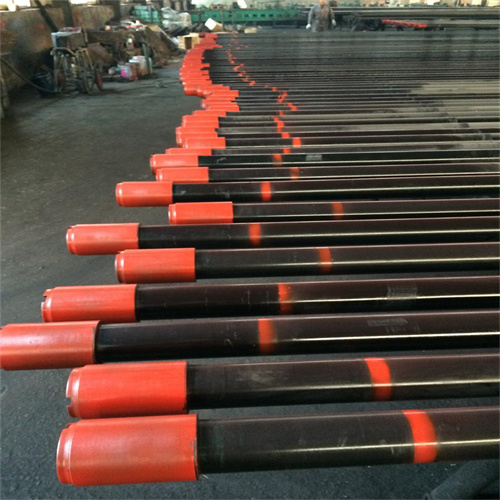
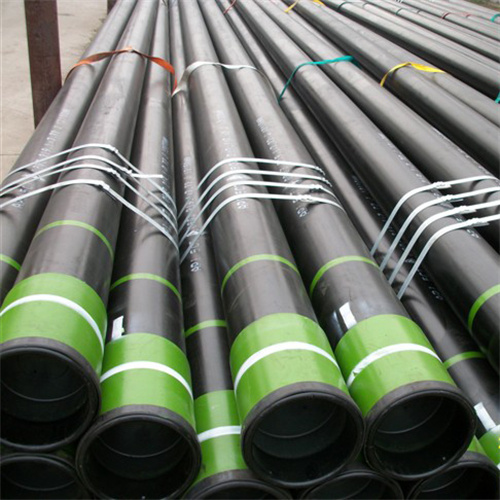
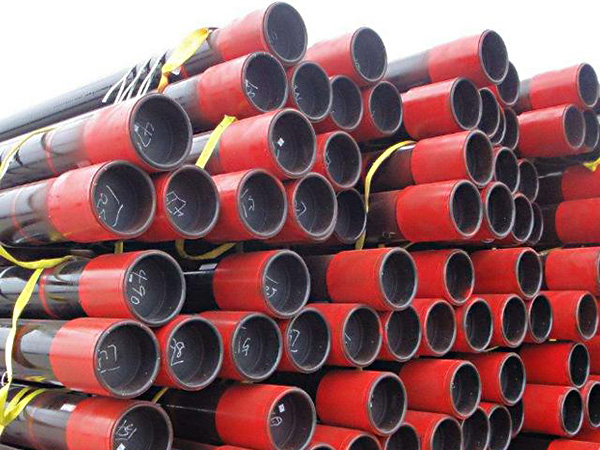
في مجال العمليات الصناعية، يعد ضمان سلامة أنظمة تغليف النفط أمرًا بالغ الأهمية في الحفاظ على الاستدامة البيئية والكفاءة التشغيلية. يعمل غلاف النفط كحاجز حاسم، يمنع التسرب ويضمن احتواء احتياطيات النفط والغاز في أعماق الأرض. يمكن أن تكون عواقب تسرب الغلاف شديدة، بدءًا من التلوث البيئي وحتى الخسائر الاقتصادية الكبيرة لشركات النفط. ومن ثم، أصبحت ضرورة تنفيذ حلول أغلفة الزيت المانعة للتسرب نقطة محورية للعديد من الصناعات في جميع أنحاء العالم.
إحدى دراسات الحالة البارزة التي تمثل التنفيذ الناجح لحلول أغلفة الزيت المانعة للتسرب هي دراسة الشركة X، وهي شركة رائدة في مجال الطاقة. قطاع. في مواجهة التحديات المتكررة المتعلقة بتسرب الغلاف في عمليات الحفر البحرية، أجرت الشركة X عملية تقييم صارمة لتحديد الحل الأكثر فعالية. ومن خلال الجهود التعاونية مع الشركات الهندسية المتخصصة في تكنولوجيا حقول النفط، اعتمدوا تصميمات غلاف متقدمة تتضمن أحدث المواد وتقنيات الختم المبتكرة. لم يؤدي هذا التحول الاستراتيجي إلى تعزيز متانة وموثوقية أنظمة التغليف الخاصة بهم فحسب، بل قلل أيضًا من مخاطر الحوادث البيئية.
تتضمن الرحلة نحو غلاف الزيت المانع للتسرب أيضًا امتثالًا تنظيميًا صارمًا. إن الهيئات التنظيمية، التي تدرك المخاطر المحتملة على البيئة والسلامة التي يفرضها تسرب الغلاف، فرضت معايير صارمة على شركات النفط. تتطلب هذه المعايير اعتماد مواد تغليف قوية، وبروتوكولات اختبار شاملة، والالتزام بإجراءات التثبيت الصارمة. لا تعمل الشركات الملتزمة بهذه اللوائح على تخفيف المخاطر التشغيلية فحسب، بل تعزز أيضًا سمعتها كمشرفين مسؤولين على البيئة.
علاوة على ذلك، أحدثت التطورات التكنولوجية ثورة في مشهد حلول أغلفة النفط. لقد عززت الابتكارات مثل تقنيات اللحام المتقدمة والسبائك المقاومة للتآكل وأنظمة المراقبة الآلية بشكل كبير قدرة الصناعة على منع تسرب الغلاف. لا تعمل هذه الابتكارات على تعزيز السلامة الهيكلية لأنظمة التغليف فحسب، بل تتيح أيضًا المراقبة في الوقت الفعلي والصيانة الاستباقية، وبالتالي منع التسربات المحتملة قبل أن تتصاعد إلى مشكلات أكبر.
مستقبل تكنولوجيا أغلفة الزيت: الابتكارات والاتجاهات
بالنظر إلى المستقبل، فإن مستقبل تكنولوجيا أغلفة النفط مهيأ للتطور والابتكار المستمر. تركز جهود البحث والتطوير على تعزيز متانة المواد، وتحسين كفاءة التركيب، وتعزيز قدرات المراقبة. تعد المبادرات التعاونية بين أصحاب المصلحة في الصناعة والمؤسسات البحثية والهيئات التنظيمية أمرًا محوريًا في تسريع هذه التطورات ومعالجة التحديات الناشئة.
في الختام، فإن السعي إلى اتخاذ موقف حازم ضد تسرب الغلاف يسلط الضوء على الإمكانات التحويلية لتقنيات غلاف النفط المبتكرة. ومن خلال تبني علوم المواد والرقمنة والممارسات المستدامة، تستعد الصناعة لرفع المعايير التشغيلية وتخفيف المخاطر البيئية. مع استمرار تجاوز الحدود التكنولوجية، ستظل مرونة وموثوقية أنظمة تغليف النفط ذات أهمية قصوى في تشكيل المشهد المستقبلي لإنتاج الطاقة والإشراف البيئي.
The Future of Oil Casing Technology: innovations and Trends
In the realm of oil exploration and production, the integrity of oil casing technology stands as a pivotal factor in ensuring operational efficiency and environmental safety. As the industry navigates towards more advanced methodologies and Materials, the imperative to prevent casing Leakage has become increasingly central. This article delves into the innovations and trends sh APIng the future of oil casing technology, emphasizing the steadfast commitment to mitigate casing leakage risks.
Oil casing serves as a critical barrier, protecting the wellbore and preventing fluid migration between geological formations. Traditionally, Steel has been the cornerstone material for casing due to its robustness and reliability. However, the evolving landscape of oil extraction demands more resilient solutions capable of withstanding higher pressures, corrosive environments, and prolonged operational lifespans.
One notable innovation gaining traction is the development of composite materials for casing. Engineered composites offer superior resistance to corrosion and can be tailored to specific operational requirements. By integrating advanced polymers and reinforcing fibers, composite casings enhance structural integrity while reducing Weight and installation complexity. These materials not only extend the operational lifespan of wells but also contribute significantly to reducing environmental impact through enhanced containment reliability.
Furthermore, the advent of smart casing technologies represents a transformative leap forward in monitoring and controlling casing integrity in real-time. Embedded sensors and data analytics enable continuous assessment of casing conditions, detecting potential leaks or failures before they escalate. This proactive approach not only minimizes downtime and Maintenance costs but also enhances overall operational safety and efficiency.
In parallel, innovations in casing design focus on optimizing installation processes and enhancing Seal integrity. Advanced casing Connections, such as premium Threaded joints and metal-to-metal seals, ensure robust containment under extreme pressures and temperatures. Moreover, developments in automated casing running tools streamline installation procedures, reducing human error and operational delays.
The industry’s commitment to sustainability has also spurred innovations in eco-friendly casing technologies. Bio-based polymers and recyclable materials are emerging as viable alternatives to traditional casing materials, offering reduced carbon footprints and lifecycle impacts. These innovations underscore a broader industry shift towards integrating environmental stewardship into technological advancements.
Regulatory frameworks and industry standards play a pivotal role in driving innovation and ensuring the reliability of oil casing technology. Stringent compliance requirements mandate rigorous testing and certification processes for new materials and designs, fostering confidence in their performance and reliability in challenging operating environments.
 Looking ahead, the future of oil casing technology is poised for contiNued evolution and innovation. Research and development efforts are focused on enhancing material durability, improving installation efficiency, and advancing monitoring capabilities. Collaborative initiatives between industry stakeholders, research institutions, and regulatory bodies are pivotal in accelerating these advancements and addressing emerging challenges.
In conclusion, the pursuit of a firm stance against casing leakage underscores the transformative potential of innovative oil casing technologies. By embracing materials science, digitalization, and sustainable practices, the industry is poised to elevate operational standards and mitigate environmental risks. As technological boundaries continue to be pushed, the resilience and reliability of oil casing systems will remain paramount in shaping the future landscape of energy production and environmental stewardship.