ملخص سياسات تعزيز التعاون بين الأوساط الأكاديمية وصناعة أغلفة النفط
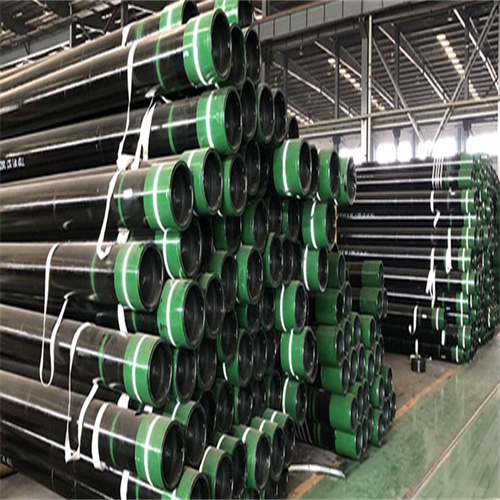
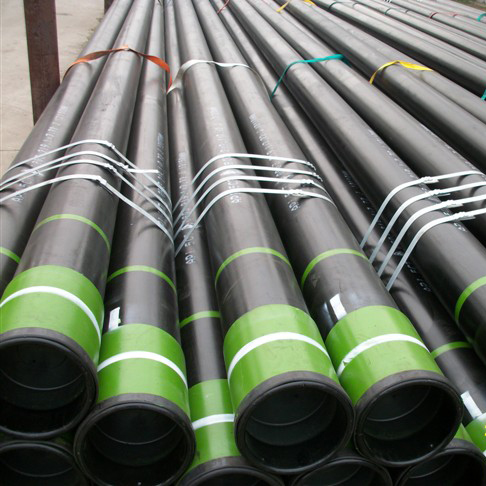
أنابيب/أنابيب الصلب الكربوني غير الملحومة ASTM A36 لخطوط أنابيب الغاز الطبيعي والنفط

بالإضافة إلى المشاريع البحثية والشراكات، تلعب السياسات التي تشجع نقل التكنولوجيا دورًا حيويًا في تعزيز التعاون بين الأوساط الأكاديمية وصناعة أغلفة النفط. تسهل مبادرات نقل التكنولوجيا تسويق نتائج البحوث، مما يسمح بتطبيق الحلول المبتكرة التي تم تطويرها في الأوساط الأكاديمية في الصناعة. من خلال تبسيط عملية نقل المعرفة والتكنولوجيا من الأوساط الأكاديمية إلى قطاع تغليف النفط، تعمل هذه السياسات على تسريع تنفيذ نتائج البحوث، مما يدفع نمو الصناعة والقدرة التنافسية.
علاوة على ذلك، تعد السياسات التي تدعم تطوير القوى العاملة وتدريبها ضرورية لتعزيز التعاون بين الأوساط الأكاديمية. وصناعة أغلفة النفط. ومن خلال الاستثمار في برامج التعليم وتنمية المهارات، يمكن لأصحاب المصلحة ضمان وصول الصناعة إلى القوى العاملة الماهرة المجهزة بأحدث المعارف والخبرات. تتيح برامج التدريب التعاوني والتدريب الداخلي والمواضع الصناعية للطلاب والباحثين اكتساب خبرة عملية في قطاع تغليف النفط، وإعدادهم للمهن المستقبلية وتعزيز خط المواهب في الصناعة.
بشكل عام، تنفيذ السياسات التي تعزز التعاون بين الأوساط الأكاديمية و تعد صناعة أغلفة النفط ضرورية لدفع الابتكار ونقل المعرفة والتنمية المستدامة. ومن خلال تعزيز الشراكات القوية، وتسهيل نقل التكنولوجيا، والاستثمار في تنمية القوى العاملة، يمكن لأصحاب المصلحة إنشاء نظام بيئي مزدهر حيث تعمل الأوساط الأكاديمية والصناعة معًا لمواجهة التحديات، واغتنام الفرص، وتشكيل مستقبل قطاع تغليف النفط. من خلال تدابير السياسة الفعالة والمبادرات الاستراتيجية، يمكن للأوساط الأكاديمية وصناعة أغلفة النفط بناء علاقة متبادلة المنفعة تدفع التقدم والازدهار لجميع أصحاب المصلحة المعنيين.
Seamless ASTM A36 Carbon Steel Pipe/Tube for Natural Gas and Oil pipeline
In addition to research projects and partnerships, policies promoting technology transfer play a vital role in enhancing collaboration between academia and the Oil Casing industry. Technology transfer initiatives facilitate the commercialization of research outcomes, allowing innovative solutions developed in academic settings to be applied in the industry. By streamlining the process of transferring knowledge and technology from academia to the oil casing sector, these policies accelerate the implementation of research findings, driving industry growth and competitiveness.
Furthermore, policies that support workforce development and training are essential for promoting collaboration between academia and the oil casing industry. By investing in education and skills development programs, stakeholders can ensure that the industry has access to a skilled workforce equipped with the latest knowledge and expertise. Collaborative training programs, internships, and industry placements enable students and researchers to gain practical experience in the oil casing sector, preparing them for future careers and fostering a talent pipeline for the industry.
Overall, the implementation of policies promoting collaboration between academia and the oil casing industry is essential for driving innovation, knowledge transfer, and sustainable development. By fostering strong partnerships, facilitating technology transfer, and investing in workforce development, stakeholders can create a thriving ecosystem where academia and industry work together to address challenges, seize opportunities, and shape the future of the oil casing sector. Through effective policy measures and strategic initiatives, academia and the oil casing industry can build a mutually beneficial relationship that drives progress and prosperity for all stakeholders involved.