تحليل البيئة الفنية لتصنيع المواد المضافة لصناعة أغلفة الزيت
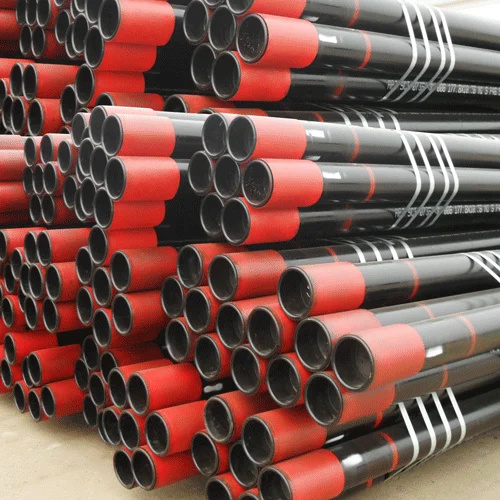
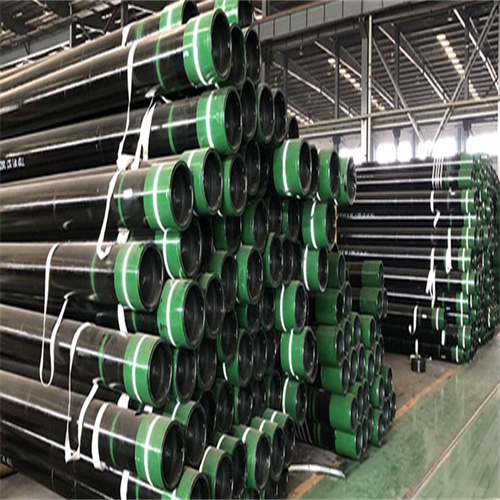
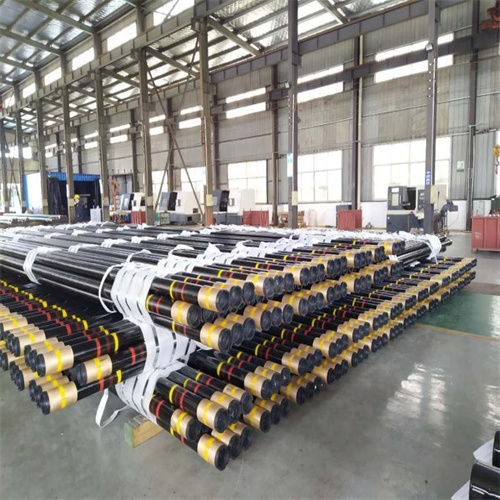
أنابيب فولاذية لتغليف الآبار ومع ذلك، فإن اعتماد التصنيع الإضافي في قطاع أغلفة النفط يطرح أيضًا بعض التحديات. أحد الاهتمامات الأساسية هو الخصائص المادية للمكونات المطبوعة ثلاثية الأبعاد. في حين أن التصنيع الإضافي يوفر مرونة في التصميم، فإن ضمان القوة الميكانيكية ومقاومة التآكل لأجزاء غلاف الزيت يظل أمرًا بالغ الأهمية. يجب على الشركات المصنعة اختيار المواد المناسبة بعناية وتحسين معلمات الطباعة لتلبية معايير الصناعة والمتطلبات التنظيمية.
هناك اعتبار فني آخر في التصنيع الإضافي لمكونات غلاف الزيت وهو خطوات ما بعد المعالجة المتضمنة. بعد الطباعة، غالبًا ما تتطلب الأجزاء معالجات إضافية مثل المعالجة الحرارية أو تشطيب السطح أو الفحص للوفاء بمواصفات الأداء. يعد دمج خطوات ما بعد المعالجة هذه بسلاسة في سير عمل التصنيع أمرًا ضروريًا لضمان جودة وموثوقية منتجات أغلفة الزيت النهائية. تطوير. في حين أن التصنيع الإضافي يتفوق في إنتاج مكونات منخفضة الحجم وعالية القيمة، فإن تحسين العملية للإنتاج على نطاق واسع لا يزال يمثل تحديًا. تعد معالجة قضايا مثل سرعة الإنتاج وكفاءة التكلفة ومراقبة الجودة أمرًا بالغ الأهمية للتبني الواسع النطاق للتصنيع الإضافي في قطاع غلاف النفط.
في الختام، يكشف تحليل البيئة الفنية للتصنيع الإضافي في صناعة غلاف النفط عن مشهد غني بالإمكانيات والتعقيدات. ومن خلال تسخير مرونة التصميم، وقدرات النماذج الأولية السريعة، وخيارات التخصيص التي يوفرها التصنيع الإضافي، يمكن للشركات ابتكار منتجات أغلفة الزيت الخاصة بها وتمييزها. ومع ذلك، فإن التغلب على التحديات المتعلقة بخصائص المواد، والمعالجة اللاحقة، وقابلية التوسع أمر ضروري لتحقيق إمكانات التصنيع الإضافي في هذا القطاع بشكل كامل.
Moreover, additive manufacturing enables r APId prototyping, allowing engineers to iterate designs quickly and cost-effectively. In the Oil Casing industry, where precision and reliability are paramount, this capability can significantly accelerate the product development cycle. By swiftly testing and refining prototypes, Manufacturers can bring high-quality oil casing products to market faster, gaining a competitive edge in the industry.

well Casing Pipe SteelHowever, the adoption of additive manufacturing in the oil casing sector also poses certain challenges. One of the primary concerns is the Material properties of 3D-printed components. While additive manufacturing offers design flexibility, ensuring the mechanical strength and Corrosion resistance of oil casing parts remains critical. Manufacturers must carefully select suitable materials and optimize printing parameters to meet industry standards and regulatory requirements.
Another technical consideration in the additive manufacturing of oil casing components is the post-processing steps involved. After printing, parts often require additional treatments such as heat treatment, surface finishing, or inspection to meet performance specifications. Integrating these post-processing steps seamlessly into the manufacturing workflow is essential to ensure the quality and reliability of the final oil casing products.
Furthermore, the scalability of additive manufacturing for mass production in the oil casing industry is a topic of ongoing research and development. While additive manufacturing excels in producing low-volume, high-value components, optimizing the process for large-scale production remains a challenge. Addressing issues such as production speed, cost efficiency, and quality control is crucial for widespread adoption of additive manufacturing in the oil casing sector.
In conclusion, the technical environment analysis of additive manufacturing in the oil casing industry reveals a landscape rich with possibilities and complexities. By harnessing the design flexibility, rapid prototyping capabilities, and customization options offered by additive manufacturing, Companies can innovate and differentiate their oil casing products. However, overcoming challenges related to material properties, post-processing, and scalability is essential to fully realize the potential of additive manufacturing in this sector.