একটি ওয়েলবোরের তিনটি পর্যায় অন্বেষণ: ড্রিলিং, কেসিং এবং টিউবিং
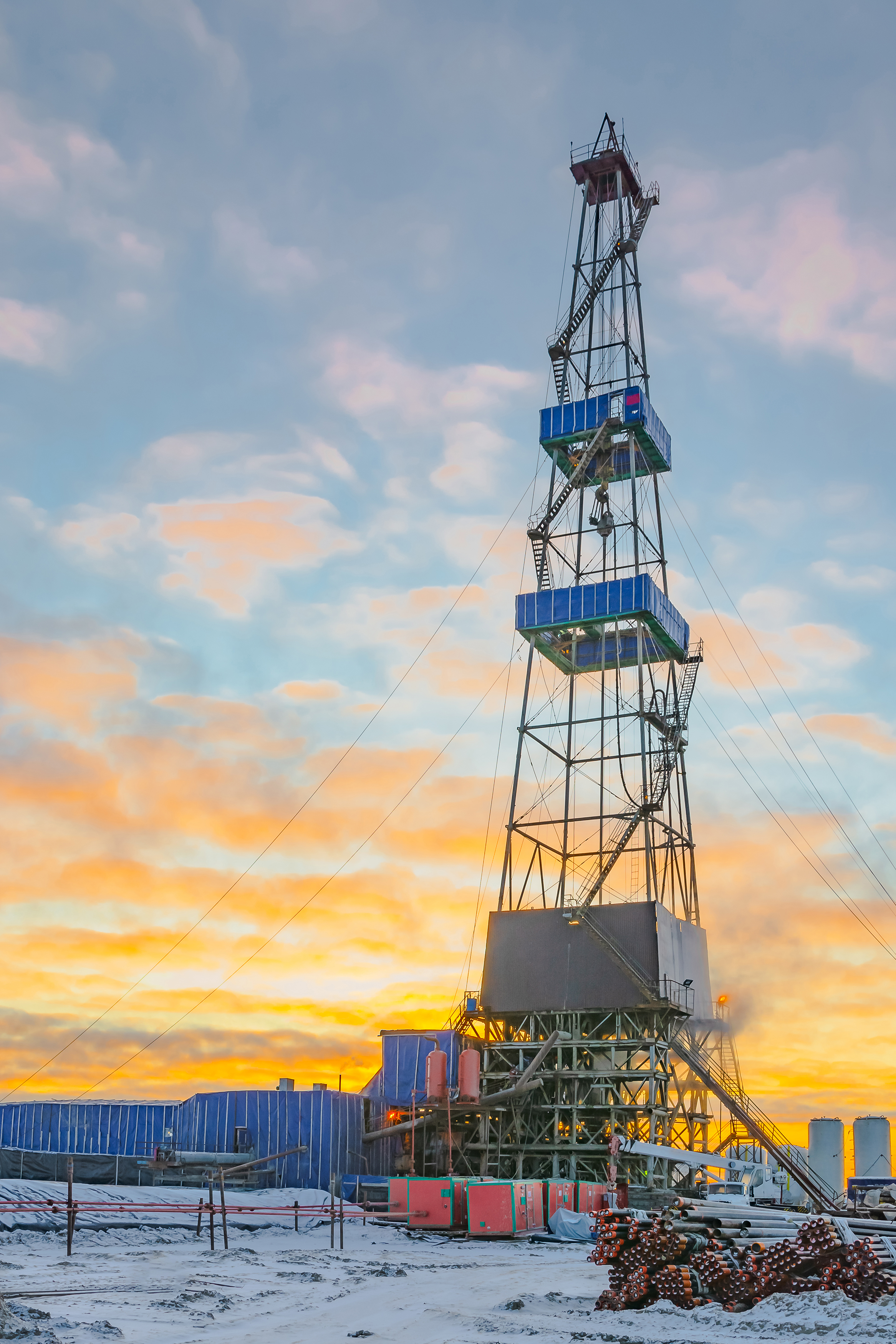
ড্রিলিং হল একটি কূপ নির্মাণের প্রাথমিক পর্যায়। এটি মাটির গভীরে প্রসারিত পৃথিবীর পৃষ্ঠে একটি গর্ত তৈরি করতে একটি ড্রিলিং রিগ ব্যবহার জড়িত। ভূগর্ভস্থ জলাধার যেখানে তেল ও গ্যাস রয়েছে সেখানে পৌঁছানোর জন্য এই প্রক্রিয়াটি অপরিহার্য। ড্রিলিং করার সময়, একটি ড্রিল স্ট্রিংয়ের শেষের সাথে সংযুক্ত একটি ড্রিল বিট শিলা গঠনের মধ্য দিয়ে ঘোরে এবং কেটে দেয়, ওয়েলবোর তৈরি করে। এলাকার ভূতাত্ত্বিক বৈশিষ্ট্যের উপর নির্ভর করে বিভিন্ন ড্রিলিং কৌশল, যেমন রোটারি ড্রিলিং বা দিকনির্দেশক ড্রিলিং ব্যবহার করা যেতে পারে। কেসিং পাইপের আকার, কেসিং পিভিসি পাইপের দাম, কেসিং পাইপ, কেসিং পাইপ সরবরাহকারী চীনে, কেসিং ক্যাপিং পাইপ, কেসিং ড্রিল পাইপ, ক্যারিয়ার পাইপ, কেসিং পাইপের আকার, বুশিং ফ্ল্যাঞ্জ, বুশিং স্লিভ, বুশিং, বুশিং আর্ম, বুশিং বিয়ারিং, বুশিং রিডুসার, বুশিং টুল, বুশিং পিভিসি, বুশিং অর্থ
কেসিং অনুসরণ করে, ওয়েলবোরের চূড়ান্ত পর্যায় হল টিউবিং। জলাধার থেকে পৃষ্ঠে তেল বা গ্যাসের প্রবাহকে সহজতর করার জন্য কেসিংয়ের ভিতরে একটি ছোট ব্যাসের পাইপ স্থাপন করা টিউবিংয়ের অন্তর্ভুক্ত। টিউবিং একটি নল হিসাবে কাজ করে যার মাধ্যমে নিষ্কাশিত সংস্থানগুলি দক্ষতার সাথে পরিবহন করা যায়। অতিরিক্তভাবে, টিউবিং উৎপাদন সরঞ্জাম যেমন পাম্প, ভালভ এবং সেন্সর স্থাপনের অনুমতি দেয় যা নিষ্কাশন প্রক্রিয়া পর্যবেক্ষণ ও নিয়ন্ত্রণের জন্য অপরিহার্য। . ওয়েলবোরের অখণ্ডতা এবং দক্ষতা নিশ্চিত করার জন্য প্রতিটি পর্যায় নির্ভুলতার সাথে সম্পন্ন করতে হবে। তদ্ব্যতীত, পরিবেশগত প্রভাব কমাতে এবং শ্রমিক ও আশেপাশের সম্প্রদায়ের নিরাপত্তা নিশ্চিত করার জন্য শিল্পের নিয়মাবলী এবং সর্বোত্তম অনুশীলনগুলি মেনে চলা অপরিহার্য৷ এবং গ্যাস নিষ্কাশন প্রক্রিয়া। প্রতিটি পর্যায়ের উদ্দেশ্য এবং গুরুত্ব বোঝা শিল্প পেশাদার এবং ভাল নির্মাণ এবং পরিচালনার সাথে জড়িত স্টেকহোল্ডারদের জন্য অপরিহার্য। প্রতিষ্ঠিত পদ্ধতি অনুসরণ করে এবং উন্নত প্রযুক্তি ব্যবহার করে, অপারেটররা ঝুঁকি এবং পরিবেশগত ক্ষতি কমিয়ে কূপের উৎপাদনশীলতা সর্বাধিক করতে পারে।
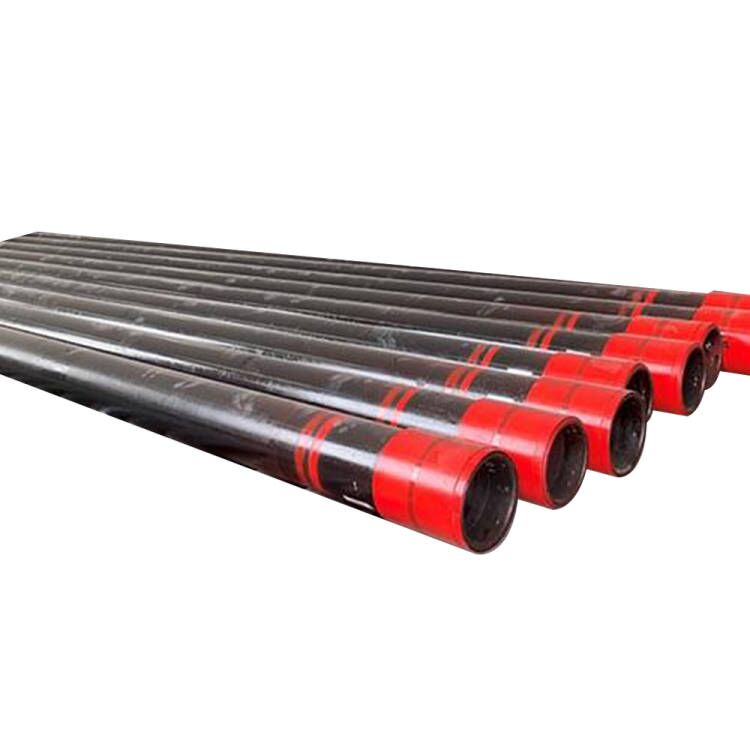
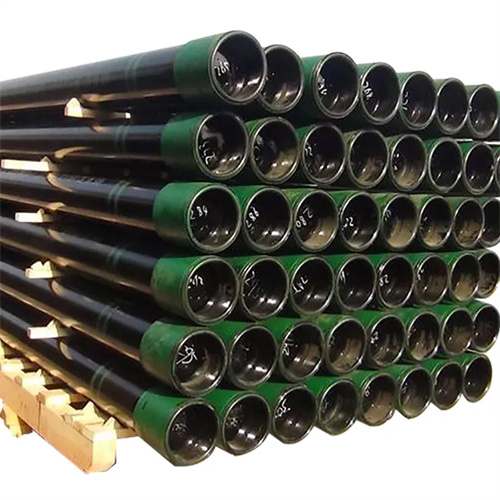
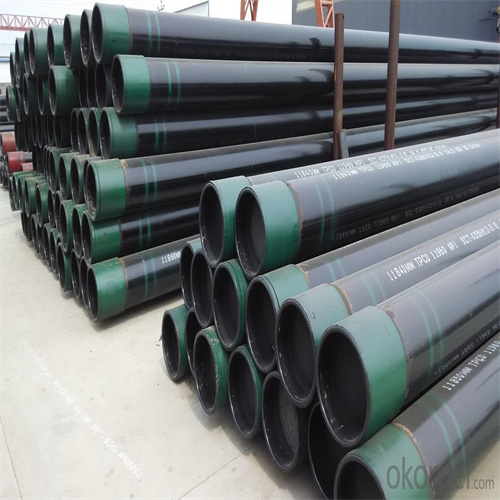
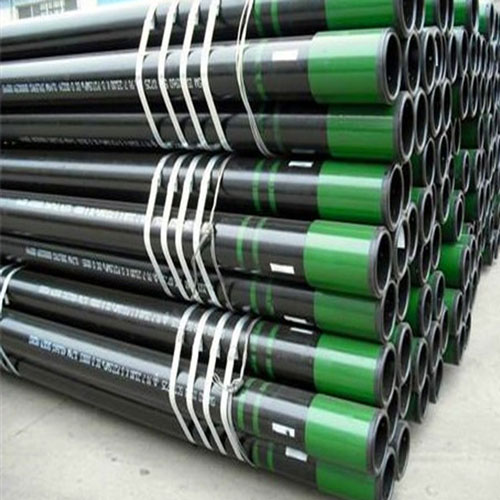
Once the drilling phase is complete, the next step is Casing. Casing refers to the installation of Steel Pipe sections, known as Casing strings, into the wellbore to provide structural integrity and prevent the collapse of the hole. Casing also helps to isolate different geological formations and protect the well from potential fluid migration. The casing strings are inserted and cemented into place, forming a secure barrier that ensures the stability and safety of the well.
Following casing, the final phase of a wellbore is Tubing. Tubing involves the installation of a smaller Diameter pipe inside the casing to facilitate the flow of Oil or Gas from the reservoir to the surface. The tubing acts as a conduit through which the extracted resources can be transported efficiently. Additionally, tubing allows for the installation of production equipment such as Pumps, valves, and sensors that are essential for monitoring and controlling the extraction process.
Transitioning from drilling to casing and then to tubing is a meticulous process that requires careful planning and execution. Each phase must be carried out with precision to ensure the integrity and efficiency of the wellbore. Furthermore, adherence to industry regulations and best practices is essential to minimize environmental impact and ensure the safety of workers and surrounding communities.
In conclusion, the three phases of a wellbore – drilling, casing, and tubing – are integral components of the Oil and Gas extraction process. Understanding the purpose and importance of each phase is essential for industry professionals and stakeholders involved in well Construction and operation. By following established procedures and utilizing advanced technologies, operators can maximize the productivity of wells while minimizing risks and environmental harm.