কেসড এবং আনকেসড ড্রিলড শাফটের মধ্যে পার্থক্য
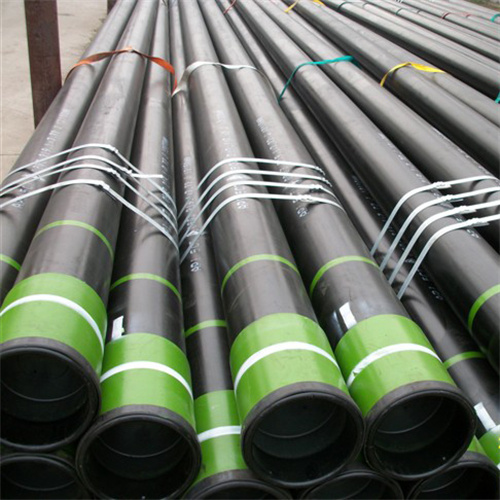
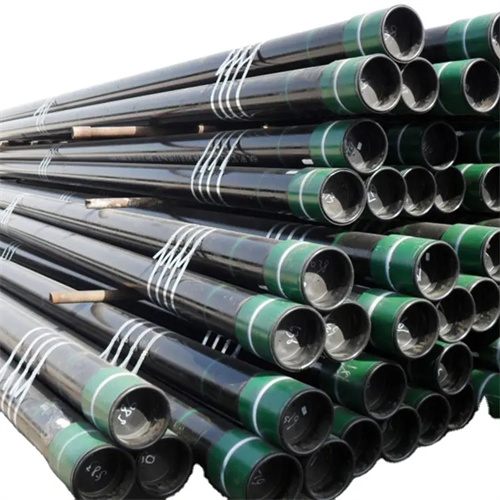
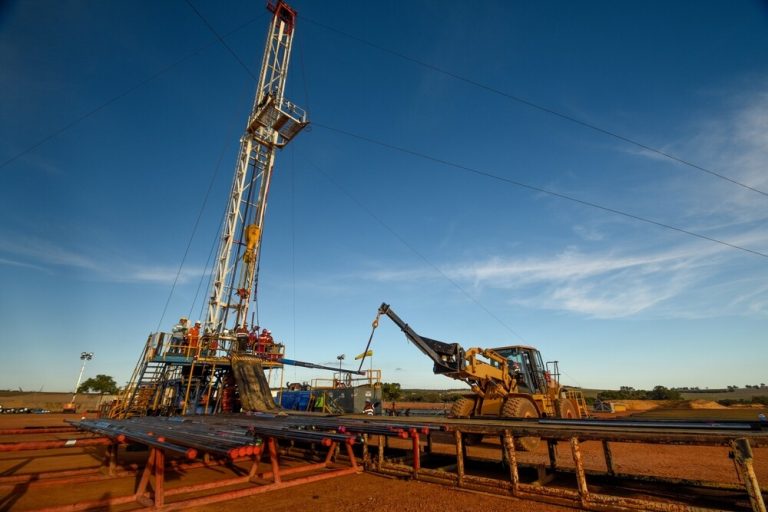
ড্রিল্ড শ্যাফ্ট হল একটি সাধারণ ফাউন্ডেশন সলিউশন যা নির্মাণ প্রকল্পগুলিতে সেতু, ভবন এবং অন্যান্য ভারী বোঝার মতো কাঠামোকে সমর্থন করার জন্য ব্যবহৃত হয়। এগুলি নলাকার, গভীর ভিত্তি উপাদান যা মাটিতে ড্রিল করে এবং কংক্রিট দিয়ে গর্তটি পূরণ করে ইনস্টল করা হয়। ড্রিল্ড শ্যাফ্ট দুটি প্রধান প্রকারে শ্রেণীবদ্ধ করা যেতে পারে: কেসড এবং আনকেসড। প্রতিটি প্রকারের নিজস্ব স্বতন্ত্র বৈশিষ্ট্য এবং অ্যাপ্লিকেশন রয়েছে, যা তাদের বিভিন্ন নির্মাণ পরিস্থিতির জন্য উপযুক্ত করে তোলে। কেসিং হল একটি অস্থায়ী ইস্পাত বা কংক্রিট টিউব যা মাটিতে ঢোকানো হয় যাতে ড্রিল করা গর্তের পার্শ্বগুলি ভেঙে না যায়। এই আবরণটি আশেপাশের মাটি বা শিলাকে সমর্থন প্রদান করে, যার ফলে খাদটিকে কাঙ্খিত গভীরতায় ড্রিল করা যায় যাতে গুহার ঝুঁকি ছাড়াই। একবার ড্রিলিং সম্পূর্ণ হলে, নকশার প্রয়োজনীয়তার উপর নির্ভর করে কেসিংটি হয় অপসারণ করা হয় বা জায়গায় রেখে দেওয়া হয়।
টুল ক্যারি কেস
কেসড এবং আনকেসড ড্রিলড শ্যাফ্টের মধ্যে একটি মূল পার্থক্য তাদের নির্মাণ প্রক্রিয়ার মধ্যে রয়েছে। কেসড ড্রিলড শ্যাফ্টগুলির জন্য আবরণের ইনস্টলেশন এবং অপসারণ প্রয়োজন, যা নির্মাণ প্রক্রিয়ায় একটি অতিরিক্ত পদক্ষেপ যোগ করে। এটি ভিত্তি কাজ সম্পূর্ণ করার জন্য প্রয়োজনীয় সামগ্রিক খরচ এবং সময় বৃদ্ধি করতে পারে। বিপরীতে, আনকেসড ড্রিল করা শ্যাফ্টগুলি সাধারণত দ্রুত এবং আরও সাশ্রয়ী হয় ইনস্টল করার জন্য কারণ তারা কেসিংয়ের ব্যবহার জড়িত করে না।
One of the key Differences between cased and uncased drilled shafts lies in their Construction process. Cased drilled shafts require the installation and removal of the Casing, which adds an extra step to the construction process. This can increase the overall cost and time required to complete the foundation work. In contrast, uncased drilled shafts are typically faster and more cost-effective to install since they do not involve the use of casing.

Another important distinction between cased and uncased drilled shafts is their load-bearing capacity. Cased drilled shafts tend to have higher load-bearing capacity compared to uncased shafts. The presence of the casing provides additional support to the shaft, allowing it to carry heavier loads without the risk of settlement or failure. Uncased drilled shafts, while suitable for many applications, may have limitations in terms of the maximum load they can support.
In terms of design flexibility, cased drilled shafts offer more options for customization compared to uncased shafts. The use of casing allows for greater control over the dimensions and shape of the shaft, making it easier to meet specific design requirements. Uncased drilled shafts, on the other hand, are more limited in terms of customization since they rely on the natural stability of the sOil or rock for support.
In conclusion, both cased and uncased drilled shafts are valuable foundation solutions with their own set of advantages and limitations. The choice between the two types depends on various factors such as soil conditions, load requirements, construction timeline, and budget constraints. By understanding the differences between cased and uncased drilled shafts, engineers and contractors can make informed decisions when selecting the most suitable foundation solution for their projects.