অফশোর ড্রিলিং অপারেশনে তেলের আবরণ ব্যবহারের সুবিধা
বিভিন্ন ভাল অবস্থার জন্য তেল আবরণ নির্বাচন করার সময় বিবেচনা করার মূল বিষয়গুলি
তাপ সঙ্কুচিত টিউবিং
 ওয়েলবোর পরিবেশটিও তেলের আবরণ নির্বাচন করার সময় বিবেচনায় নেওয়া একটি গুরুত্বপূর্ণ বিষয়। হাইড্রোজেন সালফাইড (H2S) বা কার্বন ডাই অক্সাইড (CO2) গ্যাসের উচ্চ মাত্রার সংস্পর্শে আসা কূপের ক্ষেত্রে, সালফাইড স্ট্রেস ক্র্যাকিং এবং ক্ষয় প্রতিরোধের বর্ধিত প্রতিরোধের সাথে আবরণের প্রয়োজন হতে পারে। এই ধরনের ক্ষেত্রে, কেসিং ব্যর্থতার ঝুঁকি কমানোর জন্য খাদ স্টিল বা বিশেষভাবে চিকিত্সা করা কার্বন স্টিল থেকে তৈরি টক পরিষেবার আবরণ প্রয়োজন হতে পারে। যে কূপগুলি উচ্চ পরিমাণে তরল উত্পাদন করতে পারে বা উল্লেখযোগ্য চাপের পার্থক্য অনুভব করতে পারে সেগুলির জন্য মোটা দেয়াল এবং উচ্চতর পতন প্রতিরোধের আবরণ প্রয়োজন হতে পারে যাতে উত্পাদন অপারেশন চলাকালীন আরোপিত যান্ত্রিক চাপ সহ্য করা যায়। অতিরিক্তভাবে, যে কূপগুলি গ্যাস স্থানান্তর বা তরল প্রবাহের প্রবণতা রয়েছে সেগুলি ফুটো প্রতিরোধ করতে এবং ভাল নিয়ন্ত্রণ নিশ্চিত করতে গ্যাস-টাইট সংযোগের সাথে আবরণের দ্বারা উপকৃত হতে পারে। কৌশল, সিমেন্টিং এবং জোনাল আইসোলেশন কৌশলের ধরন সহ নিযুক্ত করা হবে। কার্যকর জোনাল বিচ্ছিন্নতা নিশ্চিত করতে, বিভিন্ন গঠনের মধ্যে তরল স্থানান্তর রোধ করতে এবং ভাল উদ্দীপনা এবং উৎপাদন বর্ধিতকরণ কার্যক্রম সহজতর করার জন্য সঠিক কেসিং ডিজাইন অপরিহার্য। এবং পরিবেশগত কারণ যা ভাল কর্মক্ষমতা এবং সততাকে প্রভাবিত করতে পারে। কূপের গভীরতা, গঠনের বৈশিষ্ট্য, ওয়েলবোরের পরিবেশ, উৎপাদনের অবস্থা এবং সমাপ্তির কৌশলের মতো মূল বিষয়গুলি বিবেচনা করে, অপারেটররা তাদের তেল ও গ্যাস কূপের কর্মক্ষমতা এবং দীর্ঘায়ুকে অনুকূল করে এমন জ্ঞাত সিদ্ধান্ত নিতে পারে।
Key Factors to Consider When Selecting Oil Casing for Different Well Conditions
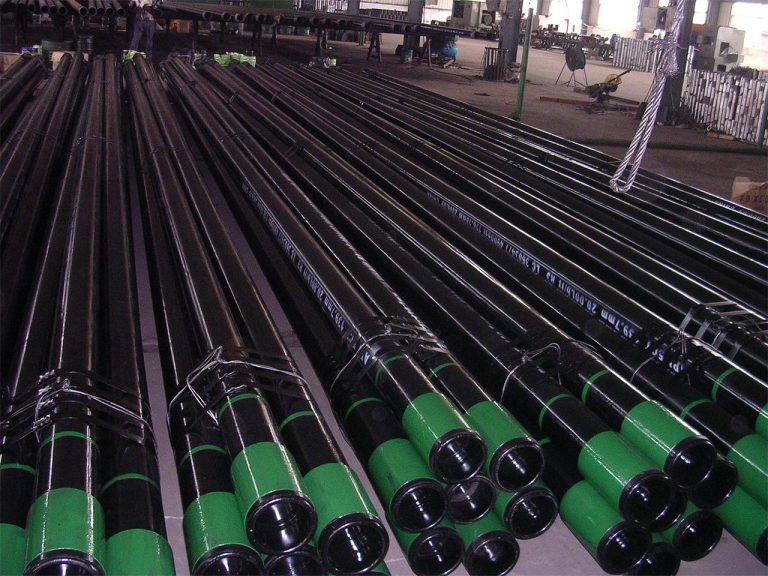
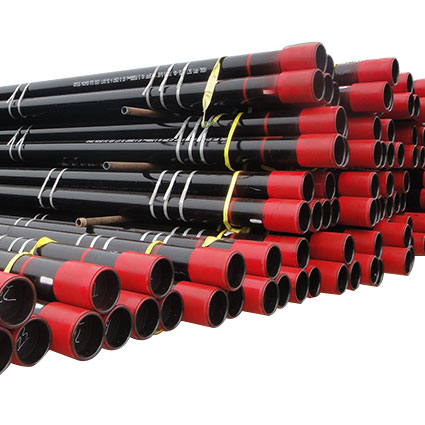
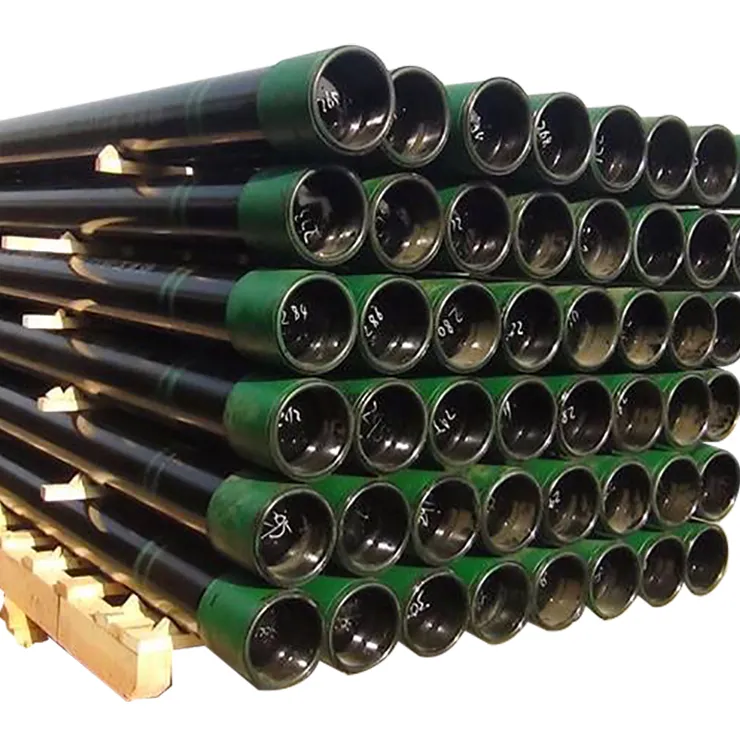
Oil casing plays a crucial role in the drilling and completion of Oil and Gas wells. It serves as a structural component that helps maintain the integrity of the wellbore and ensures the efficient production of hydrocarbons. Selecting the right oil casing is essential to the success of a well, as different well conditions require different types of casing to optimize performance and longevity.
One of the key factors to consider when selecting oil casing is the depth of the well. Deeper wells require casing with higher strength and Corrosion resistance to withstand the increased pressure and temperature at greater depths. In such cases, high-strength Steel casing with premium Connections may be necessary to ensure the integrity of the wellbore over its entire lifespan.
Another important consideration is the type of formation the well is drilled into. Different formations have varying characteristics, such as hardness, abrasiveness, and corrosiveness, which can impact the selection of casing Material and design. For example, wells drilled in highly corrosive environments may require casing with special coatings or alloys to prevent degradation and ensure long-term performance.
The wellbore environment is also a critical factor to take into account when selecting oil casing. Wells exposed to high levels of hydrogen sulfide (H2S) or carbon dioxide (CO2) gas, for instance, may require casing with enhanced resistance to sulfide stress cracking and corrosion. In such cases, sour service casing made from alloy steels or specially treated Carbon steels may be necessary to mitigate the risk of casing failure.
Furthermore, the anticipated production conditions of the well must be considered when choosing oil casing. Wells that are expected to produce high volumes of fluids or experience significant pressure differentials may require casing with thicker walls and higher collapse resistance to withstand the mechanical stresses imposed during production operations. Additionally, wells that are prone to gas migration or fluid influx may benefit from casing with gas-tight connections to prevent leaks and ensure well control.
In addition to these factors, the selection of oil casing should also take into consideration the well completion strategy, including the type of Cementing and zonal isolation techniques to be employed. Proper casing design is essential to ensure effective zonal isolation, prevent fluid migration between different formations, and facilitate well stimulation and production enhancement activities.
Overall, selecting the right oil casing for different well conditions requires a thorough understanding of the geological, operational, and environmental factors that can impact well performance and integrity. By considering key factors such as well depth, formation characteristics, wellbore environment, production conditions, and completion strategy, operators can make informed decisions that optimize the performance and longevity of their oil and gas wells.