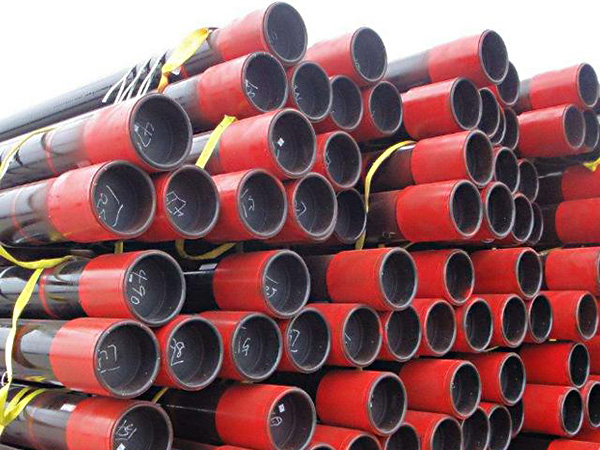
**অয়েল কেসিং অ্যান্টিকোরোশন ম্যাটেরিয়ালসে শক্তির দক্ষতা বোঝা**
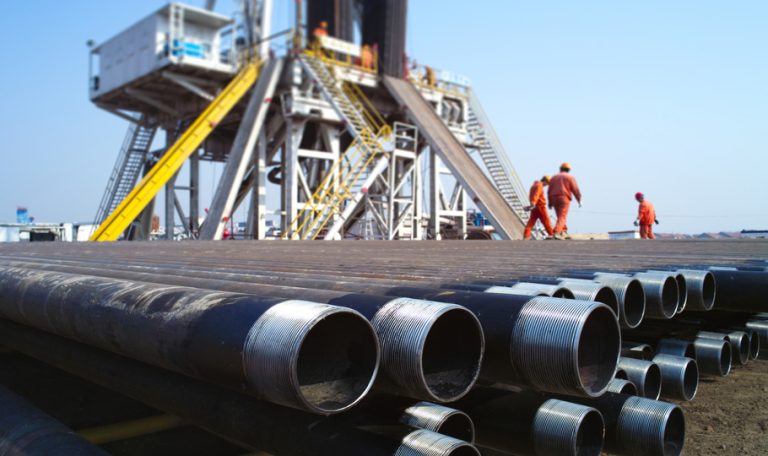
তেল নিষ্কাশন এবং উৎপাদনের ক্ষেত্রে, তেলের আবরণ প্রতিরোধী ক্ষয়রোধের জন্য উপযুক্ত উপকরণ নির্বাচন সর্বাগ্রে, শুধুমাত্র অবকাঠামোর দীর্ঘায়ু এবং অখণ্ডতা নিশ্চিত করার জন্য নয় বরং শক্তি দক্ষতা বাড়ানোর জন্যও। এই প্রেক্ষাপটে শক্তির দক্ষতা বোঝার সাথে জড়িত রয়েছে কীভাবে ক্ষয়রোধী উপকরণের পছন্দ উভয়ই অপারেশনাল খরচ এবং পরিবেশগত স্থায়িত্বকে প্রভাবিত করতে পারে। তেলের আবরণ, যা ওয়েলবোরের জন্য প্রতিরক্ষামূলক বাধা হিসাবে কাজ করে, ক্ষয়কারী পদার্থের সংস্পর্শ, উচ্চ চাপ এবং বিভিন্ন তাপমাত্রা সহ কঠোর অবস্থার সাপেক্ষে। অতএব, সঠিক ক্ষয়রোধী উপাদান নির্বাচন করা আবরণের কাঠামোগত অখণ্ডতা বজায় রাখার জন্য অত্যন্ত গুরুত্বপূর্ণ এবং এর জীবনচক্র জুড়ে শক্তি খরচ কমিয়ে দেয়। বিভিন্ন পরিবেশ, যেমন অফশোর বনাম অনশোর ড্রিলিং, অনন্য চ্যালেঞ্জগুলি উপস্থাপন করে যা উপাদান কর্মক্ষমতা প্রভাবিত করতে পারে। উদাহরণস্বরূপ, অফশোর পরিবেশগুলি প্রায়শই লবণাক্ত জলে উপাদানগুলিকে প্রকাশ করে, যা ক্ষয়কে ত্বরান্বিত করতে পারে। এই ধরনের ক্ষেত্রে, স্টেইনলেস স্টীল বা বিশেষায়িত আবরণের মতো লবণাক্ত অবস্থার বর্ধিত প্রতিরোধের উপাদানগুলি দীর্ঘমেয়াদে আরও শক্তি-দক্ষ হতে পারে, কারণ তারা রক্ষণাবেক্ষণ এবং প্রতিস্থাপনের ফ্রিকোয়েন্সি কমিয়ে দেয়, যার ফলে শক্তি এবং সম্পদ সংরক্ষণ করা হয়।
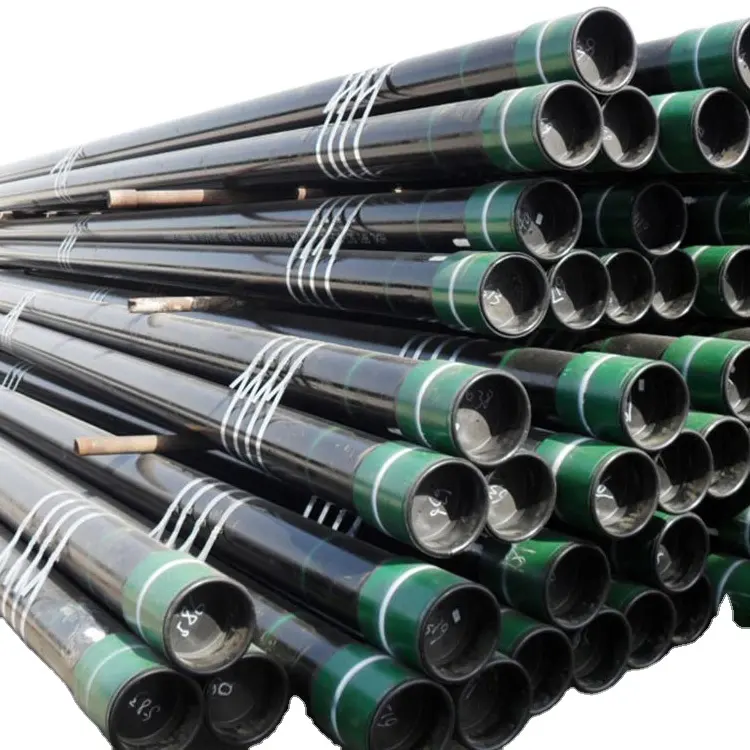
**অ্যাপ্লিকেশন-নির্দিষ্ট প্রয়োজনীয়তার মূল্যায়ন ক্ষয়রোধী উপাদান নির্বাচনের জন্য**
এর সাথে শুরু করার জন্য, আপনাকে অবশ্যই পরিবেশগত অবস্থা বিবেচনা করতে হবে যেখানে তেলের আবরণটি কাজ করবে। এর মধ্যে রয়েছে তাপমাত্রা, আর্দ্রতা এবং নোনা জল বা অম্লীয় যৌগগুলির মতো ক্ষয়কারী উপাদানগুলির উপস্থিতির মতো মূল্যায়নের কারণগুলি। উদাহরণস্বরূপ, অফশোর ড্রিলিং অ্যাপ্লিকেশনগুলিতে, আবরণটি প্রায়শই কঠোর সামুদ্রিক পরিবেশের সংস্পর্শে আসে, যা ক্ষয়কে ত্বরান্বিত করতে পারে। অতএব, যে উপকরণগুলি লবণাক্ত অবস্থার উচ্চ প্রতিরোধের প্রদর্শন করে, যেমন স্টেইনলেস স্টীল বা বিশেষ আবরণ, আরও উপযুক্ত হতে পারে। বিপরীতভাবে, উপকূলীয় অ্যাপ্লিকেশনগুলিতে যেখানে পরিবেশ কম আক্রমনাত্মক, বিকল্প উপকরণগুলি যথেষ্ট হতে পারে, সম্ভাব্যভাবে কর্মক্ষমতার সাথে আপোস না করে একটি আরও সাশ্রয়ী সমাধান প্রস্তাব করে৷ এটি চাপ এবং তাপমাত্রার রেঞ্জকে অন্তর্ভুক্ত করে যা কেসিং তার জীবনচক্রের সময় অনুভব করবে। উচ্চ-চাপের পরিবেশে যান্ত্রিক চাপ সহ্য করার জন্য মোটা বা আরও শক্ত পদার্থের ব্যবহার প্রয়োজন হতে পারে, যখন উচ্চ-তাপমাত্রার অবস্থার জন্য এমন পদার্থের প্রয়োজন হতে পারে যা উচ্চ তাপমাত্রায় তাদের অখণ্ডতা এবং ক্ষয়রোধী বৈশিষ্ট্য বজায় রাখে। এই অপারেশনাল চাহিদাগুলি বোঝা গুরুত্বপূর্ণ, কারণ এটি সরাসরি উপাদান নির্বাচনকে প্রভাবিত করে যা কার্যকরভাবে ক্ষয় কমাতে পারে এবং আবরণের কাঠামোগত অখণ্ডতা নিশ্চিত করতে পারে। কেসিংয়ের দীর্ঘায়ু সম্পর্কিত বিভিন্ন অ্যাপ্লিকেশনের বিভিন্ন প্রত্যাশা থাকতে পারে, যা উপাদান নির্বাচনকে উল্লেখযোগ্যভাবে প্রভাবিত করতে পারে। উদাহরণস্বরূপ, যদি একটি প্রকল্পের দীর্ঘ কর্মক্ষম জীবন আশা করা হয়, তাহলে উচ্চ-মানের ক্ষয়রোধী সামগ্রীতে বিনিয়োগ করা ন্যায্য হতে পারে, কারণ তারা ক্ষয়-সম্পর্কিত ব্যর্থতার সাথে যুক্ত রক্ষণাবেক্ষণের খরচ এবং ডাউনটাইম কমাতে পারে। অন্যদিকে, স্বল্প-মেয়াদী প্রকল্পগুলির জন্য, কম ব্যয়বহুল সামগ্রীগুলি বেছে নেওয়া আরও বিচক্ষণতাপূর্ণ হতে পারে যা এখনও অপারেশনের সময়কালের জন্য ক্ষয়ের বিরুদ্ধে পর্যাপ্ত সুরক্ষা প্রদান করে।
উপরন্তু, নির্বাচিতগুলির সামঞ্জস্য বিবেচনা করা গুরুত্বপূর্ণ তেল নিষ্কাশন করা হচ্ছে সঙ্গে anticorrosion উপাদান. কিছু উপাদান নির্দিষ্ট ধরণের তেল বা সংযোজনগুলির সাথে প্রতিকূল প্রতিক্রিয়া দেখাতে পারে, যার ফলে ত্বরান্বিত অবনতি বা আপোস কর্মক্ষমতা হয়। অতএব, সামঞ্জস্য পরীক্ষা পরিচালনা করা এবং উপাদান বিশেষজ্ঞদের সাথে পরামর্শ নির্দিষ্ট অ্যাপ্লিকেশনের জন্য সর্বোত্তম পছন্দগুলির জন্য মূল্যবান অন্তর্দৃষ্টি প্রদান করতে পারে। যদিও এটি সর্বনিম্ন ব্যয়বহুল বিকল্প বেছে নেওয়ার জন্য লোভনীয় হতে পারে, এটি রক্ষণাবেক্ষণ, প্রতিস্থাপন এবং ক্ষয়জনিত সম্ভাব্য অপারেশনাল ব্যাঘাতের সাথে যুক্ত দীর্ঘমেয়াদী খরচের মূল্যায়ন করা অত্যন্ত গুরুত্বপূর্ণ। একটি আরও ব্যয়বহুল, শক্তি-দক্ষ উপাদান শেষ পর্যন্ত সময়ের সাথে আরও বেশি সাশ্রয়ী হতে পারে, কারণ এটি শক্তির খরচ কমিয়ে দিতে পারে এবং সামগ্রিক অপারেশনাল খরচ কমিয়ে দিতে পারে। ক্ষয়রোধী উপাদানের জন্য একটি বহুমুখী পদ্ধতির প্রয়োজন যা পরিবেশগত অবস্থা, কর্মক্ষম পরামিতি, প্রত্যাশিত জীবনকাল, উপাদান সামঞ্জস্য এবং অর্থনৈতিক কারণগুলি বিবেচনা করে। এই অ্যাপ্লিকেশন-নির্দিষ্ট প্রয়োজনীয়তাগুলি যত্ন সহকারে মূল্যায়ন করে, কেউ জ্ঞাত সিদ্ধান্ত নিতে পারে যা কেবল তেল আবরণের কার্যকারিতা এবং দীর্ঘায়ু বাড়ায় না বরং তেল ও গ্যাস শিল্পে সামগ্রিক শক্তি দক্ষতা এবং স্থায়িত্বের ক্ষেত্রেও অবদান রাখে। এই চিন্তাশীল নির্বাচন প্রক্রিয়াটি শেষ পর্যন্ত উন্নত কর্মক্ষম নির্ভরযোগ্যতার দিকে পরিচালিত করে এবং দায়ী সম্পদ ব্যবস্থাপনার উপর শিল্পের ক্রমবর্ধমান জোরের সাথে সামঞ্জস্য রেখে পরিবেশগত প্রভাব হ্রাস করে।
When it comes to selecting an energy-efficient Oil Casing anticorrosion Material, it is imperative to begin by thoroughly evaluating the specific application requirements. This process involves a comprehensive understanding of the environmental conditions, operational parameters, and the anticipated lifespan of the oil casing. Each of these factors plays a crucial role in determining the most suitable anticorrosion material that not only meets performance expectations but also aligns with energy efficiency goals.
To start with, one must consider the environmental conditions in which the oil casing will operate. This includes assessing factors such as temperature, humidity, and the presence of corrosive agents like saltwater or acidic compounds. For instance, in offshore drilling applications, the casing is often exposed to harsh marine environments, which can accelerate corrosion. Therefore, materials that exhibit high resistance to saline conditions, such as Stainless Steel or specialized coatings, may be more appropriate. Conversely, in onshore applications where the environment is less aggressive, alternative materials might suffice, potentially offering a more cost-effective solution without compromising performance.
In addition to environmental factors, it is essential to evaluate the operational parameters of the oil casing. This encompasses the pressure and temperature ranges that the casing will experience during its lifecycle. High-pressure environments may necessitate the use of thicker or more robust materials to withstand mechanical stresses, while high-temperature conditions could require materials that maintain their integrity and anticorrosion properties at elevated temperatures. Understanding these operational demands is critical, as it directly influences the selection of materials that can effectively mitigate corrosion while ensuring the structural integrity of the casing.
Moreover, the anticipated lifespan of the oil casing is another vital consideration. Different applications may have varying expectations regarding the longevity of the casing, which can significantly impact material selection. For instance, if a project is expected to have a long operational life, investing in higher-quality anticorrosion materials may be justified, as they can reduce Maintenance costs and downtime associated with corrosion-related failures. On the other hand, for short-term projects, it may be more prudent to opt for less expensive materials that still provide adequate protection against corrosion for the duration of the operation.
Furthermore, it is important to consider the compatibility of the selected anticorrosion material with the oil being extracted. Certain materials may react adversely with specific types of oil or additives, leading to accelerated degradation or compromised performance. Therefore, conducting compatibility tests and consulting with material experts can provide valuable insights into the best choices for specific applications.
In addition to these technical considerations, one must also take into account the economic implications of material selection. While it may be tempting to choose the least expensive option, it is crucial to evaluate the long-term costs associated with maintenance, replacement, and potential operational disruptions caused by corrosion. A more expensive, energy-efficient material may ultimately prove to be more cost-effective over time, as it can lead to reduced energy consumption and lower overall operational costs.
steel piping chinese Best CompanyIn conclusion, selecting an energy-efficient oil casing anticorrosion material requires a multifaceted approach that considers environmental conditions, operational parameters, anticipated lifespan, material compatibility, and economic factors. By carefully evaluating these application-specific requirements, one can make informed decisions that not only enhance the performance and longevity of the oil casing but also contribute to overall energy efficiency and sustainability in the Oil and Gas industry. This thoughtful selection process ultimately leads to improved operational reliability and reduced environmental impact, aligning with the industry’s growing emphasis on responsible resource management.