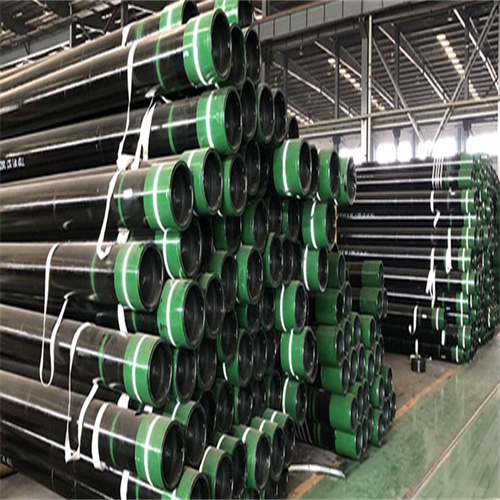
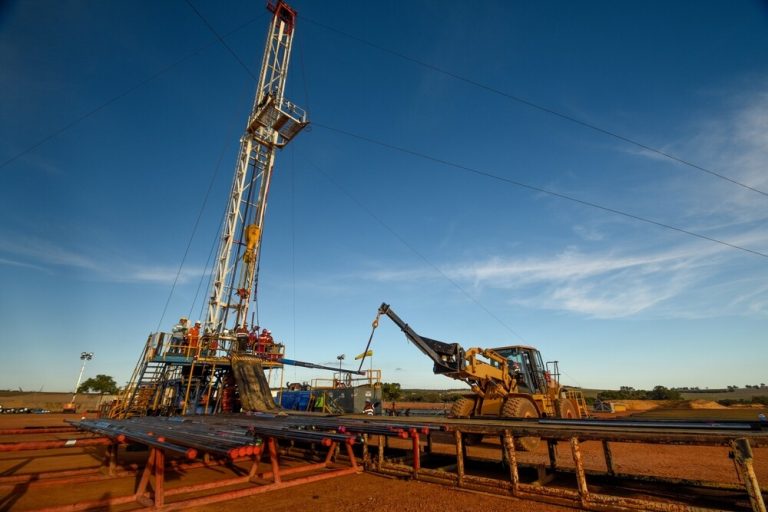
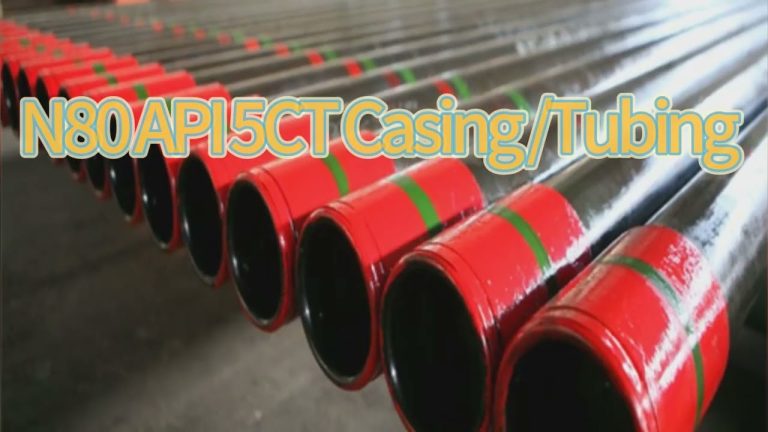
তেল আবরণে উন্নত উপকরণ
তেল আবরণের জন্য স্মার্ট মনিটরিং প্রযুক্তি
নিরাপত্তা এবং দক্ষতা বাড়ানোর পাশাপাশি, স্মার্ট মনিটরিং প্রযুক্তি পরিবেশগত স্থায়িত্বেও অবদান রাখে। তেল আবরণের অখণ্ডতা নিশ্চিত করে, এই সিস্টেমগুলি বাস্তুতন্ত্রের উপর বিধ্বংসী প্রভাব ফেলতে পারে এমন ফুটো এবং ছিটকে আটকাতে সাহায্য করে। উপরন্তু, সংগৃহীত তথ্য তেল নিষ্কাশন কার্যক্রম পরিবেশগত পদচিহ্ন হ্রাস, তুরপুন অনুশীলন অপ্টিমাইজ করতে ব্যবহার করা যেতে পারে. উদাহরণস্বরূপ, বিভিন্ন ড্রিলিং কৌশলগুলির কার্যকারিতা বিশ্লেষণ করে, অপারেটররা এমন পদ্ধতিগুলি সনাক্ত করতে পারে যা সম্পদের ব্যবহার এবং বর্জ্য উত্পাদন হ্রাস করে, তাদের ক্রিয়াকলাপগুলিকে টেকসই অনুশীলনের সাথে সারিবদ্ধ করে৷ তারা উন্নত নিয়ন্ত্রক সম্মতি সহজতর. কঠোর পরিবেশগত এবং নিরাপত্তা বিধিবিধানের সাপেক্ষে একটি শিল্পে, একটি শক্তিশালী মনিটরিং সিস্টেম থাকা অপরিহার্য। স্মার্ট প্রযুক্তিগুলি অপারেটরদের নিয়ন্ত্রক মানগুলির সাথে সম্মতি প্রদর্শনের জন্য প্রয়োজনীয় ডকুমেন্টেশন এবং রিপোর্টিং ক্ষমতা প্রদান করে। এটি শুধুমাত্র সম্ভাব্য জরিমানা এবং আইনি সমস্যাগুলি এড়াতে সাহায্য করে না বরং নিরাপত্তা এবং পরিবেশগত স্টুয়ার্ডশিপের জন্য প্রতিশ্রুতিবদ্ধ একজন দায়িত্বশীল অপারেটর হিসাবে কোম্পানির খ্যাতিও বৃদ্ধি করে। তেল ও গ্যাস শিল্পে। রিয়েল-টাইম ডেটা প্রদান করে, IoT সংযোগের সুবিধা প্রদান করে, পরিবেশগত টেকসইতা প্রচার করে এবং নিয়ন্ত্রক সম্মতি নিশ্চিত করে, এই প্রযুক্তিগুলি তেলের কূপগুলি পরিচালনা করার উপায়কে রূপান্তরিত করছে। যেহেতু শিল্প ডিজিটাল রূপান্তরকে আলিঙ্গন করে চলেছে, স্মার্ট মনিটরিং সিস্টেম গ্রহণ নিঃসন্দেহে তেল উত্তোলনের ভবিষ্যত গঠনে একটি গুরুত্বপূর্ণ ভূমিকা পালন করবে, এটিকে নিরাপদ, আরও দক্ষ এবং আরও পরিবেশগতভাবে দায়ী করবে৷
তেল আবরণ অ্যাপ্লিকেশনে পরিবেশগত প্রভাব এবং স্থায়িত্ব
জলবায়ু পরিবর্তন প্রশমিত করার এবং দায়িত্বশীল সম্পদ ব্যবস্থাপনার প্রচারের বৈশ্বিক প্রচেষ্টার পরিপ্রেক্ষিতে তেল আবরণ প্রয়োগের পরিবেশগত প্রভাব এবং স্থায়িত্ব ক্রমবর্ধমান তাৎপর্যপূর্ণ হয়ে উঠেছে। তেলের আবরণ, তেল ও গ্যাসের তুরপুন এবং উৎপাদনের একটি গুরুত্বপূর্ণ উপাদান, কূপকে রক্ষা করে এবং ভূগর্ভস্থ জলের দূষণ প্রতিরোধ করে। শিল্পের বিকাশের সাথে সাথে, তেলের আবরণ সামগ্রী এবং নকশাগুলির উদ্ভাবনী বৈশিষ্ট্যগুলি তাদের স্থায়িত্ব বাড়াতে এবং তাদের পরিবেশগত পদচিহ্ন হ্রাস করার জন্য তৈরি করা হচ্ছে। তেল আবরণ প্রযুক্তির সবচেয়ে উল্লেখযোগ্য অগ্রগতিগুলির মধ্যে একটি হল উন্নত উপকরণের ব্যবহার যা উন্নত স্থায়িত্ব এবং জারা প্রতিরোধের প্রস্তাব দেয়। প্রথাগত ইস্পাতের আবরণ, কার্যকর থাকা সত্ত্বেও, সময়ের সাথে সাথে অবক্ষয়ের জন্য সংবেদনশীল হতে পারে, যা সম্ভাব্য ফুটো এবং পরিবেশগত বিপদের দিকে পরিচালিত করে। বিপরীতে, নতুন যৌগিক উপকরণ এবং উচ্চ-কার্যক্ষমতা সম্পন্ন ধাতুগুলিকে কঠোর অবস্থা সহ্য করার জন্য প্রকৌশলী করা হচ্ছে, যার ফলে তেলের আবরণের আয়ুষ্কাল বৃদ্ধি পায় এবং ঘন ঘন প্রতিস্থাপনের প্রয়োজন কমিয়ে দেয়। এটি শুধুমাত্র বর্জ্যই কমায় না বরং কাঁচামালের নিষ্কাশন এবং প্রক্রিয়াকরণের সাথে সম্পর্কিত পরিবেশগত প্রভাবকেও কম করে। সম্প্রসারণযোগ্য কেসিং প্রযুক্তি এমন একটি কেসিং স্থাপনের অনুমতি দেয় যা ওয়েলবোরে ফিট করার জন্য প্রসারিত করা যেতে পারে, যার ফলে প্রয়োজনীয় উপাদানের পরিমাণ হ্রাস পায় এবং ড্রিলিং অপারেশনের সামগ্রিক পদচিহ্ন কমিয়ে দেয়। এই পদ্ধতিটি শুধুমাত্র সম্পদ সংরক্ষণ করে না বরং তুরপুন প্রক্রিয়ার দক্ষতাও বাড়ায়, যার ফলে শক্তি খরচ এবং গ্রিনহাউস গ্যাস নির্গমন হ্রাস পায়। উপরন্তু, তেল আবরণ সিস্টেমের মধ্যে পর্যবেক্ষণ প্রযুক্তির একীকরণ পরিবেশগত নিরাপত্তা নিশ্চিত করার একটি গুরুত্বপূর্ণ দিক হিসেবে আবির্ভূত হয়েছে। উন্নত সেন্সর চাপ, তাপমাত্রা, এবং সম্ভাব্য লিক রিয়েল-টাইম তথ্য প্রদান কেসিং এ এমবেড করা যেতে পারে. এই সক্রিয় পন্থা অপারেটরদের সমস্যাগুলি প্রাথমিকভাবে সনাক্ত করতে এবং তারা উল্লেখযোগ্য পরিবেশগত উদ্বেগের মধ্যে বাড়ানোর আগে সংশোধনমূলক পদক্ষেপ নিতে সক্ষম করে। পর্যবেক্ষণ এবং রক্ষণাবেক্ষণকে অগ্রাধিকার দেওয়ার মাধ্যমে, শিল্পটি দূষণের ঝুঁকি উল্লেখযোগ্যভাবে কমাতে পারে এবং তেল উত্তোলনের জন্য আরও টেকসই পদ্ধতির প্রচার করতে পারে। তেল এবং গ্যাস অপারেশন পরিপক্ক হওয়ার সাথে সাথে, কূপগুলি নিষ্ক্রিয় করা এবং ক্যাসিংগুলি অপসারণ করা প্রয়োজনীয় হয়ে ওঠে। এই উপকরণগুলি বর্জন করার পরিবর্তে, নির্মাণ বা অবকাঠামো প্রকল্পের মতো বিভিন্ন অ্যাপ্লিকেশনের জন্য তাদের পুনর্ব্যবহার এবং পুনর্ব্যবহার করার জন্য উদ্ভাবনী অনুশীলনগুলি তৈরি করা হচ্ছে। এটি কেবল ল্যান্ডফিল থেকে বর্জ্য সরিয়ে দেয় না বরং একটি বৃত্তাকার অর্থনীতিতেও অবদান রাখে, যেখানে উপকরণগুলি নিষ্পত্তি করার পরিবর্তে পুনরায় ব্যবহার করা হয় এবং পুনরায় ব্যবহার করা হয়। এই প্রযুক্তিগত অগ্রগতির পাশাপাশি, তেল ও গ্যাস শিল্প পরিবেশগত উদ্বেগ মোকাবেলায় স্থানীয় সম্প্রদায় এবং স্টেকহোল্ডারদের সাথে জড়িত হওয়ার গুরুত্বকে ক্রমবর্ধমানভাবে স্বীকৃতি দিচ্ছে। স্বচ্ছ যোগাযোগ এবং সহযোগিতা বৃদ্ধি করে, কোম্পানিগুলি তাদের ক্রিয়াকলাপগুলির সম্ভাব্য প্রভাবগুলি আরও ভালভাবে বুঝতে পারে এবং পরিবেশগত স্টুয়ার্ডশিপকে অগ্রাধিকার দেয় এমন সমাধানগুলির দিকে কাজ করতে পারে। এই সামগ্রিক পদ্ধতি শুধুমাত্র তেল আবরণ প্রয়োগের স্থায়িত্বই বাড়ায় না বরং তেল ও গ্যাস কার্যক্রম দ্বারা প্রভাবিত সম্প্রদায়ের মধ্যে আস্থা ও জবাবদিহিতাও গড়ে তোলে। এবং স্থায়িত্ব। উন্নত উপকরণ, উদ্ভাবনী নকশা, পর্যবেক্ষণ প্রযুক্তি এবং পুনর্ব্যবহারের অনুশীলনের বিকাশের মাধ্যমে, শিল্পটি তার পরিবেশগত পদচিহ্ন হ্রাস করার দিকে অগ্রসর হচ্ছে। এই অগ্রগতিগুলিকে আলিঙ্গন করে এবং স্টেকহোল্ডারদের সাথে সহযোগিতা বৃদ্ধি করে, তেল এবং গ্যাস খাত আরও টেকসই ভবিষ্যতে অবদান রেখে দায়িত্বশীলভাবে কাজ চালিয়ে যেতে পারে৷
In addition to enhancing safety and efficiency, smart monitoring technologies also contribute to environmental sustainability. By ensuring the integrity of Oil Casing, these systems help to prevent leaks and spills that can have devastating effects on ecosystems. Furthermore, the data collected can be used to optimize drilling practices, reducing the environmental footprint of oil extraction activities. For example, by analyzing the performance of different drilling techniques, operators can identify methods that minimize resource consumption and waste generation, aligning their operations with sustainable practices.
The applications of smart monitoring technologies extend beyond mere data collection; they also facilitate improved regulatory compliance. In an industry that is subject to stringent environmental and safety regulations, having a robust monitoring system in place is essential. Smart technologies provide operators with the documentation and reporting capabilities needed to demonstrate compliance with regulatory standards. This not only helps to avoid potential fines and legal issues but also enhances the Company‘s reputation as a responsible operator committed to safety and environmental stewardship.
In conclusion, the innovative characteristics and applications of smart monitoring technologies for oil casing represent a significant leap forward in the Oil and Gas industry. By providing real-time data, leveraging IoT connectivity, promoting environmental sustainability, and ensuring regulatory compliance, these technologies are transforming the way Oil Wells are managed. As the industry contiNues to embrace digital transformation, the adoption of smart monitoring systems will undoubtedly play a crucial role in sh APIng the future of oil extraction, making it safer, more efficient, and more environmentally responsible.
Environmental Impact and Sustainability in Oil Casing Applications
The environmental impact and sustainability of oil casing applications have become increasingly significant in the context of global efforts to mitigate climate change and promote responsible resource management. Oil casing, a critical component in the drilling and production of oil and gas, serves to protect the wellbore and prevent the contamination of groundwater. As the industry evolves, innovative characteristics of Oil casing Materials and designs are being developed to enhance their sustainability and reduce their environmental footprint. One of the most notable advancements in oil casing technology is the use of advanced materials that offer improved durability and resistance to corrosion. Traditional Steel casings, while effective, can be susceptible to degradation over time, leading to potential leaks and environmental hazards. In contrast, newer composite materials and high-performance alloys are being engineered to withstand harsh conditions, thereby extending the lifespan of oil casings and minimizing the need for frequent replacements. This not only reduces waste but also lessens the environmental impact associated with the extraction and processing of raw materials.
Moreover, the implementation of innovative casing designs, such as expandable casings, has revolutionized the way wells are constructed. Expandable casing technology allows for the installation of a casing that can be expanded to fit the wellbore, thereby reducing the amount of material required and minimizing the overall footprint of drilling operations. This approach not only conserves resources but also enhances the efficiency of the drilling process, leading to a reduction in energy consumption and greenhouse gas emissions. Additionally, the integration of monitoring technologies within oil casing systems has emerged as a crucial aspect of ensuring environmental safety. Advanced sensors can be embedded in the casing to provide real-time data on pressure, temperature, and potential leaks. This proactive approach enables operators to detect issues early and take corrective actions before they escalate into significant environmental concerns. By prioritizing monitoring and Maintenance, the industry can significantly reduce the risk of contamination and promote a more sustainable approach to oil extraction.
Furthermore, the recycling and repurposing of used oil casing materials present another avenue for enhancing sustainability in the industry. As oil and gas operations mature, the decommissioning of wells and the removal of casings become necessary. Instead of discarding these materials, innovative practices are being developed to recycle and repurpose them for various applications, such as Construction or infrastructure projects. This not only diverts waste from landfills but also contributes to a circular economy, where materials are reused and repurposed rather than disposed of. In addition to these technological advancements, the oil and gas industry is increasingly recognizing the importance of engaging with local communities and stakeholders to address environmental concerns. By fostering transparent communication and collaboration, Companies can better understand the potential impacts of their operations and work towards solutions that prioritize environmental stewardship. This holistic approach not only enhances the sustainability of oil casing applications but also builds trust and accountability within the communities affected by oil and gas activities.
In conclusion, the innovative characteristics and applications of oil casing are evolving to meet the challenges of environmental impact and sustainability. Through the development of advanced materials, innovative designs, monitoring technologies, and recycling practices, the industry is making strides towards reducing its ecological footprint. By embracing these advancements and fostering collaboration with stakeholders, the oil and gas sector can continue to operate responsibly while contributing to a more sustainable future.