অয়েল কেসিং ইন্টিগ্রিটিতে সিমেন্টিংয়ের গুরুত্ব
তেলের আবরণের জন্য জারা সুরক্ষার প্রকারগুলি
কেসিং স্থিতিশীলতায় কেন্দ্রীয়করণের ভূমিকা
এছাড়াও, কেন্দ্রীকরণকারীরা ব্যয়বহুল প্রতিকারমূলক কর্মের ঝুঁকি হ্রাস করে কার্যক্ষম দক্ষতায় অবদান রাখে। অপর্যাপ্ত কেন্দ্রীকরণের কারণে দুর্বল সিমেন্ট বন্ধন অখণ্ডতার সমস্যা সৃষ্টি করতে পারে, প্রতিকারমূলক সিমেন্টিং কাজ বা এমনকি সাইডট্র্যাকিং অপারেশনগুলির প্রয়োজন হতে পারে, যা সময়সাপেক্ষ এবং ব্যয়বহুল। সঠিক কেন্দ্রীকরণ এই ঝুঁকিগুলিকে শুরু থেকেই প্রশমিত করতে সাহায্য করে, নিরাপদ এবং আরও নির্ভরযোগ্য কূপ নির্মাণের প্রচার করে৷ কেসিংয়ের অখণ্ডতা বজায় রেখে এবং কার্যকর সিমেন্ট বসানো সহজতর করে, এই ডিভাইসগুলি কূপ নির্মাণ কার্যক্রমের সামগ্রিক সাফল্যে উল্লেখযোগ্যভাবে অবদান রাখে। প্রকৌশলী এবং অপারেটরদের অবশ্যই মনোযোগ সহকারে সেন্ট্রালাইজারের নির্বাচন, নকশা এবং বসানো বিবেচনা করতে হবে যাতে বিভিন্ন ভাল অবস্থায় তাদের কার্যকারিতা অপ্টিমাইজ করা যায়। সূক্ষ্ম পরিকল্পনা এবং বাস্তবায়নের মাধ্যমে, শিল্পটি ওয়েলবোরের অখণ্ডতা এবং কর্মক্ষম দক্ষতা বৃদ্ধিতে অগ্রসর হচ্ছে, যা চ্যালেঞ্জিং পরিবেশে টেকসই তেল ও গ্যাস উৎপাদনের জন্য গুরুত্বপূর্ণ।
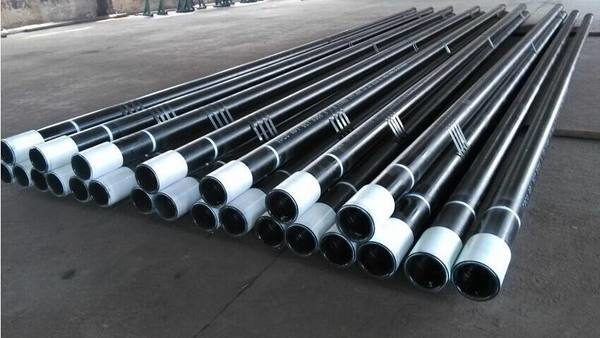
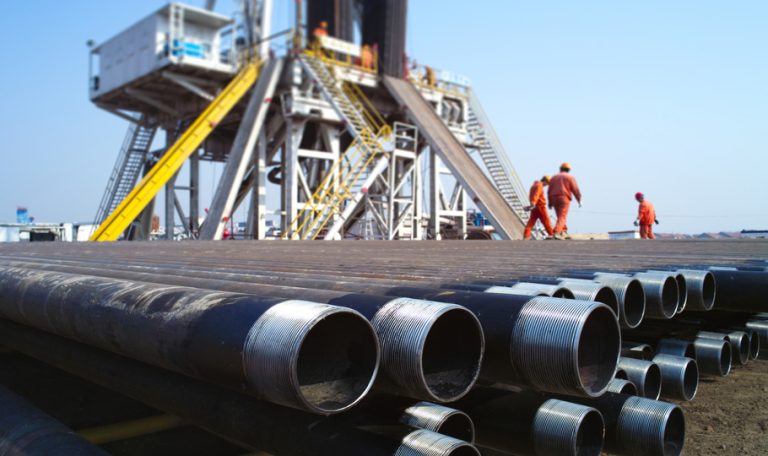
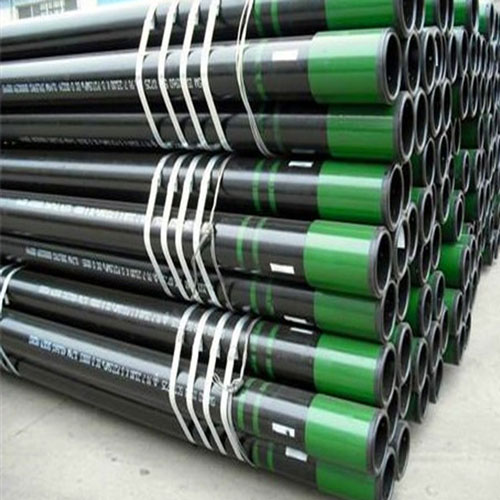
Corrosion protection in Oil Casing is paramount to ensuring the longevity and reliability of Oil Wells. Various methods and utilities are employed to safeguard the casing from the harsh environments it encounters during drilling, production, and transportation phases.
One of the primary challenges in oil well operations is corrosion. This destructive process can compromise the integrity of the casing, leading to leaks, mechanical failures, and environmental hazards. To combat corrosion effectively, several strategies are utilized, each tailored to specific environmental conditions and operational requirements.
A commonly employed method is the application of protective coatings. These coatings act as a barrier between the casing surface and corrosive elements present in the well fluids or surrounding environment. Epoxy coatings, for instance, provide excellent resistance to chemical attacks and abrasion, making them suitable for aggressive environments encountered in offshore drilling or sour Gas wells.
In addition to coatings, inhibitors play a crucial role in corrosion prevention. These chemicals are introduced into the well fluids to mitigate the corrosive effects by either forming a protective film on the casing surface or altering the chemical environment within the well. Inhibitors are particularly effective in controlling localized corrosion, such as pitting corrosion, which can cause r APId and severe damage to unprotected casing surfaces.
Furthermore, cathodic protection is widely employed in environments where coatings alone may not provide sufficient protection. This method involves the installation of sacrificial anodes or impressed current systems that neutralize corrosion by directing the flow of electrical currents away from the casing. Cathodic protection is highly effective in extending the service life of casing in environments with high soil resistivity or electrolyte concentrations.
For extreme conditions where conventional methods may prove inadequate, composite wrap systems offer a robust solution. These systems consist of composite Materials impregnated with resins and reinforced with fibers, providing both mechanical strength and Corrosion resistance. Composite wraps are applied externally and can conform to irregular casing shapes, offering versatility and durability in challenging operating conditions.
It is essential to note that the selection of corrosion protection utilities depends on various factors, including well depth, fluid composition, temperature, and pressure conditions. Tailoring the protection strategy to these factors ensures optimal performance and cost-effectiveness over the lifecycle of the well.
Moreover, ongoing monitoring and Maintenance are critical aspects of corrosion management. Regular inspections allow for early detection of corrosion-related issues, enabling timely interventions to prevent catastrophic failures and operational disruptions. Maintenance activities, such as recoating, inhibitor replenishment, and sacrificial anode replacement, help maintain the effectiveness of corrosion protection systems throughout the well’s operational lifespan.
In conclusion, the implementation of corrosion protection utilities in oil casing is a multifaceted approach aimed at safeguarding assets and optimizing operational efficiency. By employing a combination of protective coatings, inhibitors, cathodic protection, and advanced composite materials, operators can mitigate the detrimental effects of corrosion and ensure the long-term integrity of Oil Well Casing. ContiNued advancements in materials science and corrosion engineering will further enhance the reliability and performance of these utilities, supporting sustainable and responsible oil production practices globally.
Role of Centralizers in Casing Stability
In the intricate operations of oil well Construction, ensuring the stability and integrity of the casing is paramount. Centralizers play a pivotal role in this process, facilitating optimal wellbore geometry and cement placement. These devices are essential for maintaining casing position within the wellbore, preventing issues such as differential sticking and poor cement bond quality.
Centralizers serve to center the Casing string within the wellbore, mitigating potential risks associated with eccentricity and misalignment. By maintaining uniform annular clearance around the casing, they enable effective Cementing operations. This uniformity is crucial as it allows for the creation of a robust cement sheath between the casing and the formation, essential for well integrity and zonal isolation.
The design and placement of centralizers are critical factors that influence their effectiveness. Various types of centralizers are available, including bow-spring, rigid, and semi-rigid models, each offering distinct advantages depending on well conditions and operational requirements. Bow-spring centralizers, for instance, are popular due to their flexibility, which allows them to pass through narrow wellbore sections and then spring back to their original shape, ensuring consistent casing standoff.
Proper placement of centralizers along the casing string is essential for optimizing their performance. Strategic positioning helps distribute axial loads evenly during casing run-in, reducing the likelihood of buckling and aiding in achieving a uniform cement sheath. Computational tools and simulations are often employed to determine the ideal spacing and number of centralizers needed for a specific well design, taking into account factors such as well inclination, borehole size, and anticipated fluid dynamics.
During the cementing process, centralizers facilitate the displacement of drilling fluids and ensure that the cement slurry is uniformly distributed around the casing. This uniform distribution is critical for achieving a reliable bond between the casing and the wellbore, which enhances well stability and provides protection against potential casing corrosion and formation fluid migration.
 Furthermore, centralizers contribute to operational efficiency by reducing the risks of costly remedial actions. Poor cement bonding due to inadequate centralization can lead to integrity issues, necessitating remedial cementing jobs or even sidetracking operations, which are time-consuming and expensive. Proper centralization helps mitigate these risks from the outset, promoting safer and more reliable well construction.
In conclusion, centralizers play a vital role in ensuring the stability and performance of oil well casings. By maintaining casing integrity and facilitating effective cement placement, these devices contribute significantly to the overall success of well construction operations. Engineers and operators must carefully consider the selection, design, and placement of centralizers to optimize their effectiveness in diverse well conditions. Through meticulous planning and implementation, the industry continues to advance in enhancing wellbore integrity and operational efficiency, crucial for sustainable Oil and Gas production in challenging environments.