তেল আবরণ উৎপাদনে জারা প্রতিরোধ ক্ষমতা বৃদ্ধি: সার্টিফিকেশন প্রয়োজনীয়তা
আপগ্রেডিং তেল আবরণ উত্পাদন জারা প্রতিরোধের সার্টিফিকেশন
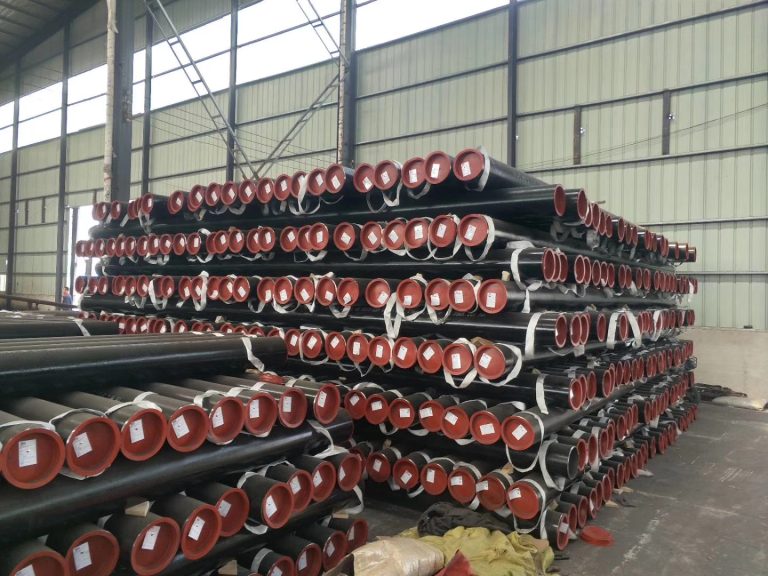
জারা প্রতিরোধ তেল আবরণ উৎপাদনের একটি গুরুত্বপূর্ণ দিক, যা সরাসরি তেল কূপের অখণ্ডতা এবং দীর্ঘায়ুকে প্রভাবিত করে। যেহেতু শিল্প উন্নত স্থায়িত্ব এবং নিরাপত্তার জন্য চেষ্টা করে, তাই তেল আবরণ সামগ্রীগুলি কঠোর জারা প্রতিরোধের প্রয়োজনীয়তা পূরণ করে তা নিশ্চিত করতে শংসাপত্রের মানগুলি একটি গুরুত্বপূর্ণ ভূমিকা পালন করে৷
টাইটানিয়াম টিউব
মূল শংসাপত্রের প্রয়োজনীয়তাগুলির মধ্যে এখন কঠোর পরীক্ষার পদ্ধতিগুলি অন্তর্ভুক্ত রয়েছে যা বাস্তব-বিশ্বের অবস্থার অনুকরণ করে৷ এই পরীক্ষাগুলি বর্ধিত সময়কালে আক্রমনাত্মক তরল, উচ্চ চাপ এবং পরিবর্তনশীল তাপমাত্রার সংস্পর্শে এলে কেসিং উপকরণগুলির ক্ষয় প্রতিরোধ করার ক্ষমতা মূল্যায়ন করে। ইলেক্ট্রোকেমিক্যাল ইম্পিডেন্স স্পেকট্রোস্কোপি (EIS), লবণ স্প্রে টেস্টিং এবং ক্ষয়কারী পরিবেশের এক্সপোজারের মতো কৌশলগুলি এই মূল্যায়নের অবিচ্ছেদ্য অংশ। ন্যাশনাল অ্যাসোসিয়েশন অফ ক্রোশন ইঞ্জিনিয়ার্স) MR0175/ISO 15156। এই মানগুলি উপাদান নির্বাচন, উত্পাদন প্রক্রিয়া এবং পরীক্ষার প্রোটোকলগুলির উপর স্পষ্ট নির্দেশিকা প্রদান করে যাতে তেলের আবরণগুলি ন্যূনতম জারা প্রতিরোধের থ্রেশহোল্ডগুলি পূরণ করে। পরীক্ষাগার এবং নিয়ন্ত্রক সংস্থা। কেসিং উপকরণগুলিতে ধারাবাহিকতা এবং নির্ভরযোগ্যতার গ্যারান্টি দেওয়ার জন্য উত্পাদন প্রক্রিয়া জুড়ে নির্মাতাদের অবশ্যই কঠোর মান নিয়ন্ত্রণের ব্যবস্থাগুলি মেনে চলতে হবে। স্বাধীন টেস্টিং ল্যাবরেটরিগুলি জারা প্রতিরোধের মানদণ্ডের সাথে সম্মতি যাচাই করার জন্য পুঙ্খানুপুঙ্খ মূল্যায়ন পরিচালনা করে, নিয়ন্ত্রক অনুমোদন এবং শিল্প বিশ্বাসের জন্য প্রয়োজনীয় নিরপেক্ষ সার্টিফিকেশন রিপোর্ট প্রদান করে। খাদ পরিবর্তন, আবরণ এবং পৃষ্ঠের চিকিত্সার মতো উদ্ভাবনগুলি ব্যয়-কার্যকারিতা এবং কার্যকরী সম্ভাব্যতা বজায় রেখে ক্ষয়কারী এজেন্টগুলির বিরুদ্ধে উপাদানের কার্যকারিতা উন্নত করা লক্ষ্য করে। এই অগ্রগতিগুলি কেবল তেলের আবরণগুলির নির্ভরযোগ্যতাকে শক্তিশালী করে না বরং সরঞ্জামের আয়ু বৃদ্ধি করে এবং পরিবেশগত প্রভাব হ্রাস করে টেকসই অনুশীলনগুলিকে সমর্থন করে৷ অনুসন্ধান এবং উত্পাদন কার্যক্রম। কঠোর মান মেনে চলা এবং প্রযুক্তিগত অগ্রগতি আলিঙ্গন করে, শিল্প ক্ষয়ের সাথে সম্পর্কিত ঝুঁকিগুলি প্রশমিত করতে পারে, অবকাঠামোর আয়ুষ্কাল দীর্ঘায়িত করতে পারে এবং অপারেশনাল শ্রেষ্ঠত্ব বজায় রাখতে পারে। যেহেতু তেলের চাহিদা ক্রমাগত বাড়তে থাকে এবং আরও চ্যালেঞ্জিং পরিবেশে অনুসন্ধানের উদ্যোগ নেয়, তাই বিশ্বব্যাপী শক্তি সেক্টরে বিনিয়োগ রক্ষা এবং পরিবেশগত স্টুয়ার্ডশিপ বজায় রাখার জন্য শক্তিশালী সার্টিফিকেশন প্রক্রিয়া অপরিহার্য।
 Key certification requirements now include rigorous testing methodologies that simulate real-world conditions. These tests evaluate the Casing Materials’ ability to resist corrosion when exposed to aggressive fluids, high pressures, and variable temperatures over extended periods. Techniques such as electrochemical impedance spectroscopy (EIS), salt spray testing, and exposure to corrosive environments are integral to these evaluations.
Moreover, the certification process mandates compliance with international standards such as API (American Petroleum Institute) Specification 5CT and NACE (National Association of Corrosion Engineers) MR0175/ISO 15156. These standards provide clear guidelines on material selection, manufacturing processes, and testing protocols to ensure that Oil Casings meet minimum Corrosion resistance thresholds.
Achieving certification involves collaboration across multiple stakeholders, including Manufacturers, testing laboratories, and regulatory bodies. Manufacturers must adhere to stringent quality control measures throughout the production process to guarantee consistency and reliability in casing materials. Independent testing laboratories conduct thorough assessments to verify compliance with corrosion resistance criteria, providing unbiased certification reports essential for regulatory approvals and industry trust.
Furthermore, ongoing research and development efforts continually enhance corrosion resistance technologies in oil casing production. innovations such as alloy modifications, coatings, and surface treatments aim to improve material performance against corrosive agents while maintaining cost-effectiveness and operational feasibility. These advancements not only bolster the reliability of oil casings but also support sustainable practices by extending equipment lifespan and reducing environmental impact.
In conclusion, upgrading corrosion resistance certification for oil casing production is pivotal in ensuring the safety, reliability, and efficiency of oil exploration and production activities. By adhering to stringent standards and embracing technological advancements, the industry can mitigate risks associated with corrosion, prolong infrastructure lifespan, and uphold operational excellence. As demand for oil contiNues to grow and exploration ventures into more challenging environments, robust certification processes remain essential for safeguarding investments and maintaining environmental stewardship in the global energy sector.