তেল পাইপলাইন প্রোফাইলিংয়ের সুবিধাগুলি অন্বেষণ করা: কীভাবে এটি দক্ষতার উন্নতি করতে এবং খরচ কমাতে সাহায্য করতে পারে
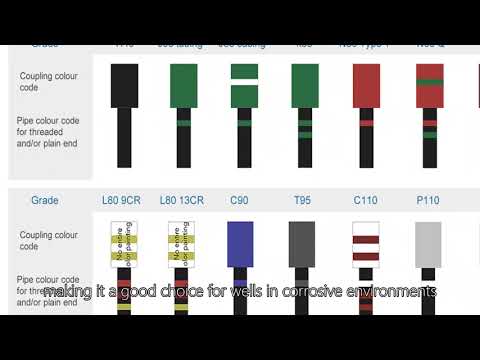
রাসায়নিক গঠন, ভর ভগ্নাংশ (%)
গ্রেড
| গ | Mn | মো | cr | নি | কু | P | এস | সি | প্রকার | |||||
| মিন | সর্বোচ্চ | মিন | সর্বোচ্চ | মিন | সর্বোচ্চ | মিন | সর্বোচ্চ | সর্বোচ্চ | সর্বোচ্চ | সর্বোচ্চ | সর্বোচ্চ | সর্বোচ্চ | H40 | |
| 1 | 2 | 3 | 4 | 5 | 6 | 7 | 8 | 9 | 10 | 11 | 12 | 13 | 14 | 15 |
| J55 | 0.03 | |||||||||||||
| K55 | 0.03 | |||||||||||||
| N80 | 0.03 | |||||||||||||
| 1 | N80 | 0.03 | 0.03 | প্রশ্ন | ||||||||||
| R95 | 0.03 | 0.03 | ||||||||||||
| 0.45 গ | 1.9 | l80 | 0.03 | 0.03 | 0.45 | |||||||||
| 0.43 ক | 1 | 1.9 | L80 | 9Cr | 0.25 | 0.35 | 0.03 | 0.03 | 0.45 | |||||
| L80 | 13Cr | 0.15 | 0.3 | 0.6 | 0.9 | 1.1 | 8 | 10 | 0.5 | 0.25 | 0.02 | 0.03 | 1 | |
| 0.15 | 0.22 | 0.25 | 1 | C90 | 12 | 14 | 0.5 | 0.25 | 0.02 | 0.03 | 1 | |||
| 1 | 0.25 b | 0.35 | 1.2 | 0.85 | 1.5 | 0.99 | T95 | 0.02 | 0.03 | |||||
| 1 | 0.25 b | 0.35 | 1.2 | 0.85 | 0.4 | 1.5 | 0.99 | C110 | 0.02 | 0.03 | ||||
| 0.35 | 1.2 | 0.25 | 1 | 0.4 | 1.5 | 0.99 | P110 | 0.02 | 0.03 | e | ||||
| 0.030 e | 0.030 e | প্রশ্ন 125 | ||||||||||||
| 1 | 0.35 | 1.35 | 0.85 | 1.5 | 0.99 | দ্রষ্টব্য দেখানো উপাদানগুলি পণ্য বিশ্লেষণে রিপোর্ট করা হবে। | 0.02 | 0.01 | a যদি পণ্যটি তেল-নিভানো বা পলিমার-নিভানো হয় তবে L80-এর কার্বনের পরিমাণ সর্বাধিক 0.50% পর্যন্ত বাড়ানো যেতে পারে৷ | |||||
| b গ্রেড C90 টাইপ 1 এর জন্য মলিবডেনামের সামগ্রীর ন্যূনতম সহনশীলতা নেই যদি দেয়ালের বেধ 17.78 মিমি-এর কম হয়। | ||||||||||||||
| c যদি পণ্যটি তেল-নিভিয়ে দেওয়া হয় তবে R95-এর কার্বনের পরিমাণ সর্বোচ্চ 0.55% পর্যন্ত বাড়ানো যেতে পারে। | ||||||||||||||
| d T95 টাইপ 1 এর জন্য মলিবডেনামের বিষয়বস্তু 0.15 % সর্বনিম্ন হ্রাস করা যেতে পারে যদি প্রাচীরের বেধ 17.78 মিমি থেকে কম হয়। | ||||||||||||||
| e EW গ্রেড P110-এর জন্য, ফসফরাসের পরিমাণ সর্বোচ্চ 0.020% এবং সালফারের পরিমাণ সর্বাধিক 0.010% হতে হবে। | ||||||||||||||
| তেল পাইপলাইন প্রোফাইলিংয়ের ঝুঁকি বোঝা: কীসের দিকে নজর দেওয়া উচিত এবং কীভাবে সেগুলি কমানো যায় | ||||||||||||||
| তেল পাইপলাইন প্রোফাইলিং হল একটি প্রক্রিয়া যা একটি তেল পাইপলাইনের অপারেশনের সাথে যুক্ত ঝুঁকিগুলি চিহ্নিত করতে এবং মূল্যায়ন করতে ব্যবহৃত হয়। পাইপলাইনের নিরাপত্তা এবং নির্ভরযোগ্যতা নিশ্চিত করার জন্য এটি একটি গুরুত্বপূর্ণ হাতিয়ার, তবে এটি কিছু ঝুঁকিও বহন করে যা অবশ্যই বোঝা এবং পরিচালনা করতে হবে। এই নিবন্ধটি তেল পাইপলাইন প্রোফাইলিংয়ের সাথে সম্পর্কিত ঝুঁকিগুলি নিয়ে আলোচনা করবে এবং কীভাবে সেগুলি প্রশমিত করা যায় সে সম্পর্কে নির্দেশিকা প্রদান করবে। যেহেতু প্রক্রিয়াটি সংবেদনশীল তথ্য সংগ্রহ ও বিশ্লেষণের সাথে জড়িত, তাই একটি ঝুঁকি রয়েছে যে এই তথ্যটি অননুমোদিত ব্যক্তি বা সংস্থার দ্বারা অ্যাক্সেস করা যেতে পারে। এই ঝুঁকি কমানোর জন্য, সংস্থাগুলিকে নিশ্চিত করা উচিত যে তাদের ডেটা সুরক্ষিতভাবে সংরক্ষণ করা এবং এনক্রিপ্ট করা হয়েছে এবং ডেটাতে অ্যাক্সেস শুধুমাত্র অনুমোদিত কর্মীদের জন্য সীমাবদ্ধ। অতিরিক্তভাবে, সংস্থাগুলিকে নিয়মিত তাদের নিরাপত্তা প্রোটোকলগুলি পর্যালোচনা করা উচিত এবং প্রয়োজনে সেগুলি আপডেট করা উচিত৷ | ||||||||||||||
Overall, Oil Pipeline profiling can provide numerous benefits to the Oil and Gas industry. By providing detailed information about the condition of the pipeline, oil pipeline profiling can help reduce the risk of costly Repairs or replacements, improve efficiency, reduce the risk of environmental damage, and improve safety. As such, oil pipeline profiling can be an invaluable tool for improving efficiency and reducing costs in the oil and gas industry.
Understanding the Risks of Oil Pipeline Profiling: What to Look Out For and How to Mitigate Them
Oil pipeline profiling is a process used to identify and assess the risks associated with the operation of an oil pipeline. It is an important tool for ensuring the safety and reliability of the pipeline, but it also carries certain risks that must be understood and managed. This article will discuss the risks associated with oil pipeline profiling and provide guidance on how to mitigate them.
The first risk associated with oil pipeline profiling is the potential for data breaches. As the process involves collecting and analyzing sensitive information, there is a risk that this data could be accessed by unauthorized individuals or organizations. To mitigate this risk, organizations should ensure that their data is securely stored and encrypted, and that access to the data is restricted to authorized personnel only. Additionally, organizations should regularly review their security protocols and update them as needed.
 The second risk associated with oil pipeline profiling is the potential for inaccurate or incomplete data. As the process involves collecting and analyzing large amounts of data, there is a risk that some of the data may be inaccurate or incomplete. To mitigate this risk, organizations should ensure that their data collection and analysis processes are thorough and accurate. Additionally, organizations should regularly review their data collection and analysis processes and update them as needed.
The third risk associated with oil pipeline profiling is the potential for human error. As the process involves complex calculations and analysis, there is a risk that mistakes may be made. To mitigate this risk, organizations should ensure that their personnel are properly trained and that they have access to the necessary resources and tools to perform their tasks accurately. Additionally, organizations should regularly review their personnel and processes and update them as needed.
Finally, the fourth risk associated with oil pipeline profiling is the potential for environmental damage. As the process involves the use of chemicals and other Materials, there is a risk that these materials may be released into the environment. To mitigate this risk, organizations should ensure that their processes are designed to minimize the potential for environmental damage. Additionally, organizations should regularly review their processes and update them as needed.
Oil Tube chinese high–grade wholesaler,Casing Pipe china good Company,
In conclusion, oil pipeline profiling is an important tool for ensuring the safety and reliability of the pipeline, but it also carries certain risks that must be understood and managed. By understanding the risks associated with oil pipeline profiling and taking steps to mitigate them, organizations can ensure that their operations are safe and reliable.