Analyse coût-efficacité des matériaux de tubage pétrolier
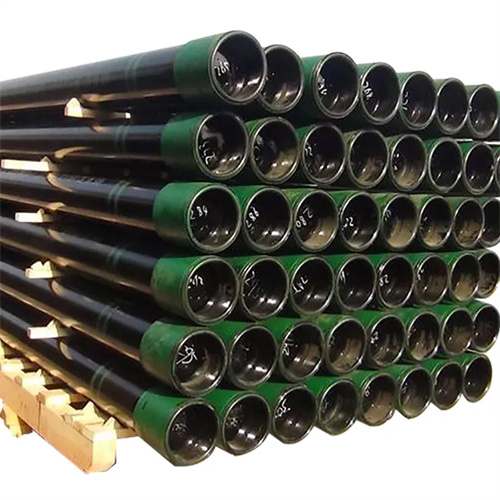
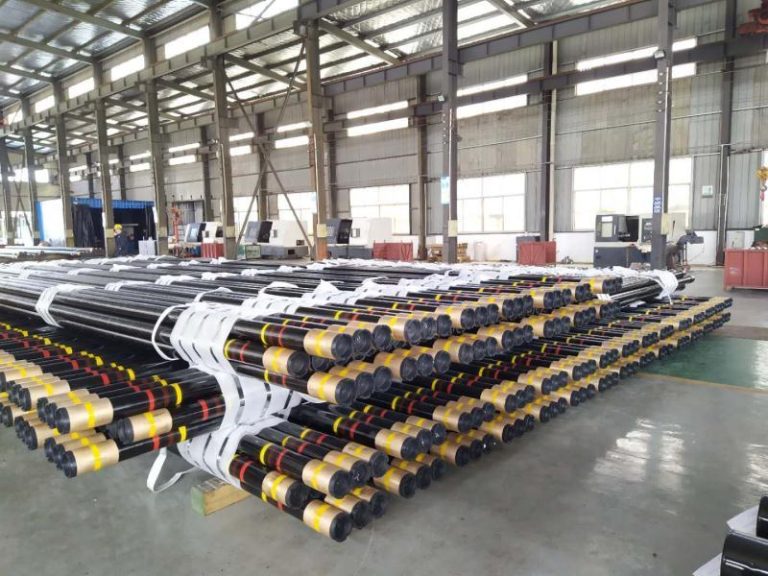
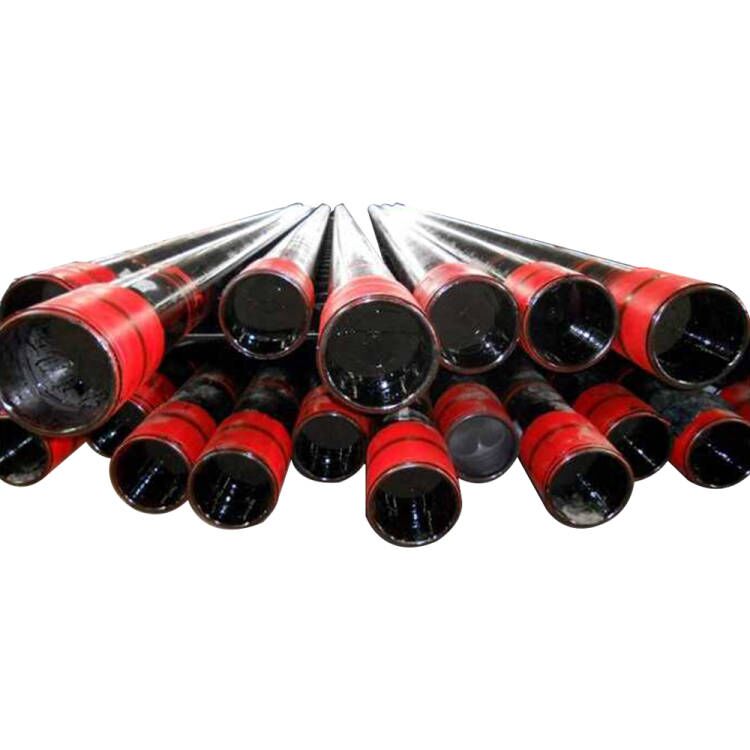
API 5ct R95 BOÎTIER Chine Meilleur Fabricant

En plus de la durabilité et des coûts d’installation, les exigences d’entretien des différents matériaux de boîtier devraient également être un point central de toute analyse coût-efficacité. Certains matériaux peuvent nécessiter des inspections et un entretien réguliers pour garantir leur intégrité, tandis que d’autres peuvent être plus résistants et nécessiter une attention moins fréquente. Cet aspect est particulièrement important dans le contexte de projets à long terme, où la Maintenance contiNue peut avoir un impact significatif sur la rentabilité globale. En sélectionnant des matériaux qui minimisent les besoins de maintenance, les opérateurs peuvent améliorer leur efficacité opérationnelle et réduire le risque de temps d’arrêt imprévus, qui peuvent être coûteux en termes de perte de production et de frais de réparation.
De plus, les conditions environnementales dans lesquelles le boîtier sera utilisé ne peut être négligé. Des facteurs tels que les fluctuations de température, les variations de pression et la présence de substances corrosives peuvent tous affecter les performances des matériaux de boîtier au fil du temps. Une compréhension approfondie de ces conditions est essentielle pour prendre des décisions éclairées concernant la sélection des matériaux. Ne pas prendre en compte les défis environnementaux spécifiques peut conduire à des défaillances catastrophiques, entraînant des réparations coûteuses, des dommages environnementaux et des conséquences juridiques potentielles.
En conclusion, l’analyse coût-efficacité des matériaux de tubage pétrolier est un processus complexe mais essentiel qui nécessite une approche holistique. En prenant en compte des facteurs tels que la durabilité des matériaux, les coûts d’installation, les exigences de maintenance et les conditions environnementales, les opérateurs peuvent prendre des décisions éclairées qui non seulement optimisent leurs investissements initiaux, mais garantissent également leur réussite opérationnelle à long terme. Ignorer ces paramètres critiques peut conduire à des résultats regrettables qui vont bien au-delà de la simple perte financière, soulignant l’importance d’une approche globale et réfléchie de la sélection des matériaux dans l’industrie pétrolière.
Moreover, installation costs are another critical factor that must be taken into account. The complexity of the installation process can vary significantly depending on the type of Casing Material selected. For example, while some materials may be easier to handle and install, others may require specialized equipment or skilled labor, which can drive up costs. Therefore, a comprehensive cost-effectiveness analysis should not only evaluate the Price of the materials themselves but also the associated labor and equipment costs. By understanding the full scope of installation expenses, operators can make more informed decisions that align with their budgetary constraints and project timelines.
API 5CT R95 CASING china Best Maker
In addition to durability and installation costs, the maintenance requirements of different casing materials should also be a focal point of any cost-effectiveness analysis. Some materials may require regular inspections and maintenance to ensure their integrity, while others may be more resilient and require less frequent attention. This aspect is particularly important in the context of long-term projects, where ongoing maintenance can significantly impact overall profitability. By selecting materials that minimize maintenance needs, operators can enhance their operational efficiency and reduce the likelihood of unexpected downtime, which can be costly in terms of both lost production and Repair expenses.
Furthermore, the environmental conditions in which the casing will be used cannot be overlooked. Factors such as temperature fluctuations, pressure variations, and the presence of corrosive substances can all affect the performance of casing materials over time. A thorough understanding of these conditions is essential for making informed decisions regarding material selection. Failing to account for the specific environmental challenges can lead to catastrophic failures, resulting in costly repairs, environmental damage, and potential legal ramifications.
In conclusion, the cost-effectiveness analysis of Oil Casing materials is a complex but essential process that requires a holistic approach. By considering factors such as material durability, installation costs, maintenance requirements, and environmental conditions, operators can make informed decisions that not only optimize their initial investments but also safeguard their long-term operational success. Ignoring these critical parameters can lead to regrettable outcomes that extend far beyond mere financial loss, underscoring the importance of a comprehensive and thoughtful approach to material selection in the oil industry.