Matériaux avancés dans le boîtier d’huile
Technologies de surveillance intelligente pour les cuvelages pétroliers
Impact environnemental et durabilité dans les applications de tubage pétrolier
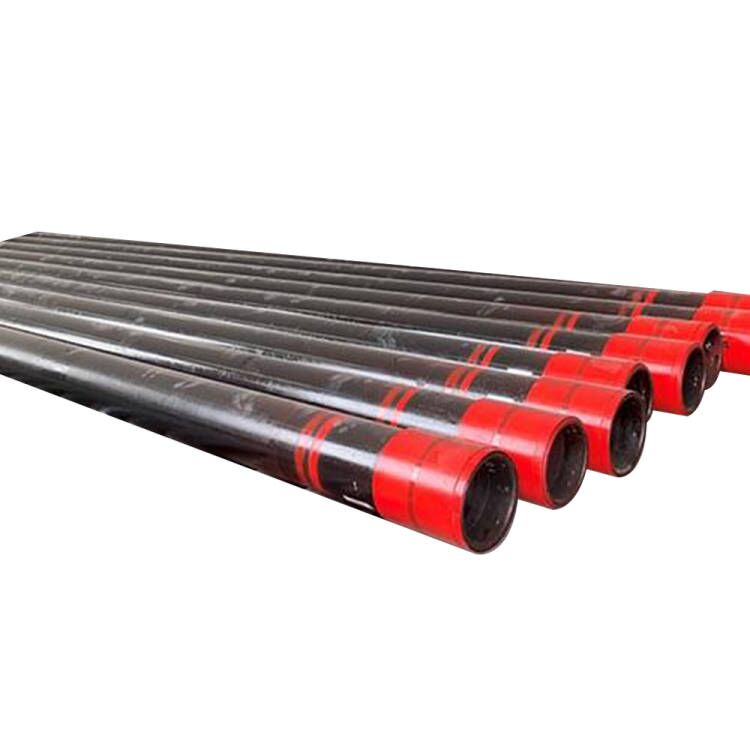
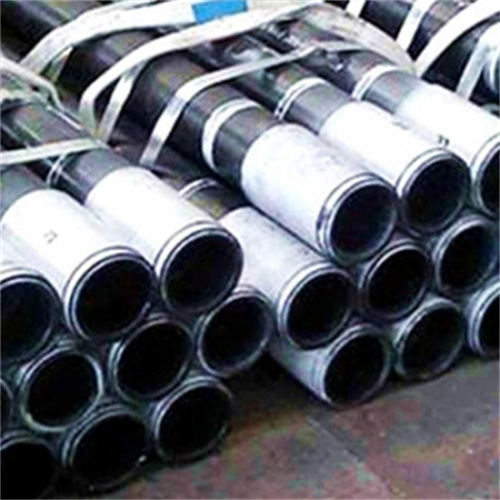
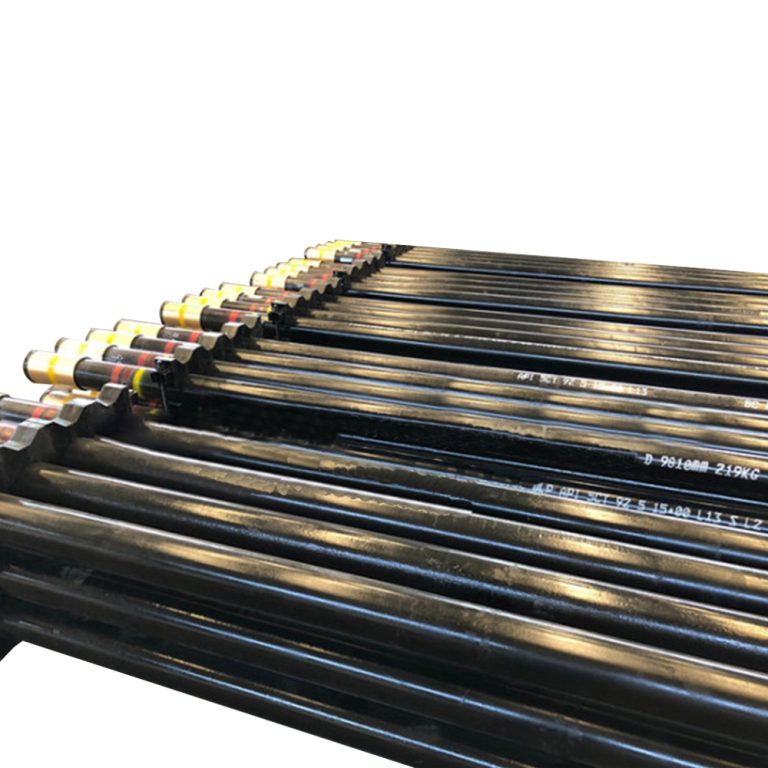
L’impact environnemental et la durabilité des applications de tubage pétrolier sont devenus de plus en plus importants dans le contexte des efforts mondiaux visant à attéNuer le changement climatique et à promouvoir une gestion responsable des ressources. Le tubage pétrolier, un élément essentiel du forage et de la production de pétrole et de gaz, sert à protéger le puits de forage et à prévenir la contamination des eaux souterraines. À mesure que l’industrie évolue, des caractéristiques innovantes des matériaux et des conceptions de carters pétroliers sont développées pour améliorer leur durabilité et réduire leur empreinte environnementale. L’une des avancées les plus notables dans la technologie des boîtiers d’huile est l’utilisation de matériaux avancés qui offrent une durabilité et une résistance à la corrosion améliorées. Les boîtiers en acier traditionnels, bien qu’efficaces, peuvent être susceptibles de se dégrader au fil du temps, entraînant des fuites potentielles et des risques environnementaux. En revanche, de nouveaux matériaux composites et alliages hautes performances sont conçus pour résister à des conditions difficiles, prolongeant ainsi la durée de vie des carters d’huile et minimisant le besoin de remplacements fréquents. Cela réduit non seulement les déchets, mais diminue également l’impact environnemental associé à l’extraction et au traitement des matières premières.
De plus, la mise en œuvre de conceptions de tubages innovantes, telles que les tubages extensibles, a révolutionné la façon dont les puits sont construits. La technologie de tubage extensible permet l’installation d’un tubage qui peut être agrandi pour s’adapter au puits de forage, réduisant ainsi la quantité de matériau requise et minimisant l’empreinte globale des opérations de forage. Cette approche préserve non seulement les ressources, mais améliore également l’efficacité du processus de forage, entraînant une réduction de la consommation d’énergie et des émissions de gaz à effet de serre. De plus, l’intégration des technologies de surveillance dans les systèmes de tubage pétrolier est apparue comme un aspect crucial pour garantir la sécurité environnementale. Des capteurs avancés peuvent être intégrés dans le boîtier pour fournir des données en temps réel sur la pression, la température et les fuites potentielles. Cette approche proactive permet aux opérateurs de détecter les problèmes r APIdement et de prendre des mesures correctives avant qu’ils ne dégénèrent en problèmes environnementaux importants. En donnant la priorité à la surveillance et à la Maintenance, l’industrie peut réduire considérablement le risque de contamination et promouvoir une approche plus durable de l’extraction pétrolière.
En outre, le recyclage et la réutilisation des matériaux de tubage usagés présentent une autre voie pour améliorer la durabilité dans l’industrie. À mesure que les opérations pétrolières et gazières arrivent à maturité, le déclassement des puits et le retrait des tubages deviennent nécessaires. Au lieu de jeter ces matériaux, des pratiques innovantes sont développées pour les recycler et les réutiliser pour diverses applications, telles que des projets de Construction ou d’infrastructure. Cela évite non seulement de détourner les déchets des décharges, mais contribue également à une économie circulaire, dans laquelle les matériaux sont réutilisés et réutilisés plutôt que éliminés. En plus de ces avancées technologiques, l’industrie pétrolière et gazière reconnaît de plus en plus l’importance de s’engager auprès des communautés locales et des parties prenantes pour répondre aux préoccupations environnementales. En favorisant une communication et une collaboration transparentes, les entreprises peuvent mieux comprendre les impacts potentiels de leurs opérations et travailler à des solutions qui donnent la priorité à la gestion de l’environnement. Cette approche holistique améliore non seulement la durabilité des applications de tubage pétrolier, mais renforce également la confiance et la responsabilité au sein des communautés affectées par les activités pétrolières et gazières.
En conclusion, les caractéristiques et applications innovantes du tubage pétrolier évoluent pour relever les défis de l’impact environnemental. et la durabilité. Grâce au développement de matériaux avancés, de conceptions innovantes, de technologies de surveillance et de pratiques de recyclage, l’industrie progresse vers la réduction de son empreinte écologique. En adoptant ces avancées et en favorisant la collaboration avec les parties prenantes, le secteur pétrolier et gazier peut continuer à fonctionner de manière responsable tout en contribuant à un avenir plus durable.
Moreover, the integration of Internet of Things (IoT) technology into Oil Casing monitoring systems has revolutionized the way data is collected and analyzed. IoT devices can communicate with each other and with central databases, creating a network of interconnected sensors that provide a holistic view of the Oil Well‘s health. This interconnectedness allows for more sophisticated data analysis, including predictive analytics that can forecast potential failures before they occur. By leveraging machine learning algorithms, operators can gain insights into the operational patterns of their wells, enabling them to make informed decisions regarding maintenance schedules and resource allocation.
In addition to enhancing safety and efficiency, smart monitoring technologies also contribute to environmental sustainability. By ensuring the integrity of oil casing, these systems help to prevent leaks and spills that can have devastating effects on ecosystems. Furthermore, the data collected can be used to optimize drilling practices, reducing the environmental footprint of oil extraction activities. For example, by analyzing the performance of different drilling techniques, operators can identify methods that minimize resource consumption and waste generation, aligning their operations with sustainable practices.
The applications of smart monitoring technologies extend beyond mere data collection; they also facilitate improved regulatory compliance. In an industry that is subject to stringent environmental and safety regulations, having a robust monitoring system in place is essential. Smart technologies provide operators with the documentation and reporting capabilities needed to demonstrate compliance with regulatory standards. This not only helps to avoid potential fines and legal issues but also enhances the Company‘s reputation as a responsible operator committed to safety and environmental stewardship.
In conclusion, the innovative characteristics and applications of smart monitoring technologies for oil casing represent a significant leap forward in the Oil and Gas industry. By providing real-time data, leveraging IoT connectivity, promoting environmental sustainability, and ensuring regulatory compliance, these technologies are transforming the way oil wells are managed. As the industry continues to embrace digital transformation, the adoption of smart monitoring systems will undoubtedly play a crucial role in shaping the future of oil extraction, making it safer, more efficient, and more environmentally responsible.
Environmental Impact and Sustainability in Oil Casing Applications
The environmental impact and sustainability of oil casing applications have become increasingly significant in the context of global efforts to mitigate climate change and promote responsible resource management. Oil casing, a critical component in the drilling and production of oil and gas, serves to protect the wellbore and prevent the contamination of groundwater. As the industry evolves, innovative characteristics of Oil casing Materials and designs are being developed to enhance their sustainability and reduce their environmental footprint. One of the most notable advancements in oil casing technology is the use of advanced materials that offer improved durability and resistance to corrosion. Traditional Steel casings, while effective, can be susceptible to degradation over time, leading to potential leaks and environmental hazards. In contrast, newer composite materials and high-performance alloys are being engineered to withstand harsh conditions, thereby extending the lifespan of oil casings and minimizing the need for frequent replacements. This not only reduces waste but also lessens the environmental impact associated with the extraction and processing of raw materials.
Moreover, the implementation of innovative casing designs, such as expandable casings, has revolutionized the way wells are constructed. Expandable casing technology allows for the installation of a casing that can be expanded to fit the wellbore, thereby reducing the amount of material required and minimizing the overall footprint of drilling operations. This approach not only conserves resources but also enhances the efficiency of the drilling process, leading to a reduction in energy consumption and greenhouse gas emissions. Additionally, the integration of monitoring technologies within oil casing systems has emerged as a crucial aspect of ensuring environmental safety. Advanced sensors can be embedded in the casing to provide real-time data on pressure, temperature, and potential leaks. This proactive approach enables operators to detect issues early and take corrective actions before they escalate into significant environmental concerns. By prioritizing monitoring and maintenance, the industry can significantly reduce the risk of contamination and promote a more sustainable approach to oil extraction.
Furthermore, the recycling and repurposing of used oil casing materials present another avenue for enhancing sustainability in the industry. As oil and gas operations mature, the decommissioning of wells and the removal of casings become necessary. Instead of discarding these materials, innovative practices are being developed to recycle and repurpose them for various applications, such as construction or infrastructure projects. This not only diverts waste from landfills but also contributes to a circular economy, where materials are reused and repurposed rather than disposed of. In addition to these technological advancements, the oil and gas industry is increasingly recognizing the importance of engaging with local communities and stakeholders to address environmental concerns. By fostering transparent communication and collaboration, Companies can better understand the potential impacts of their operations and work towards solutions that prioritize environmental stewardship. This holistic approach not only enhances the sustainability of oil casing applications but also builds trust and accountability within the communities affected by oil and gas activities.
In conclusion, the innovative characteristics and applications of oil casing are evolving to meet the challenges of environmental impact and sustainability. Through the development of advanced materials, innovative designs, monitoring technologies, and recycling practices, the industry is making strides towards reducing its ecological footprint. By embracing these advancements and fostering collaboration with stakeholders, the oil and gas sector can continue to operate responsibly while contributing to a more sustainable future.