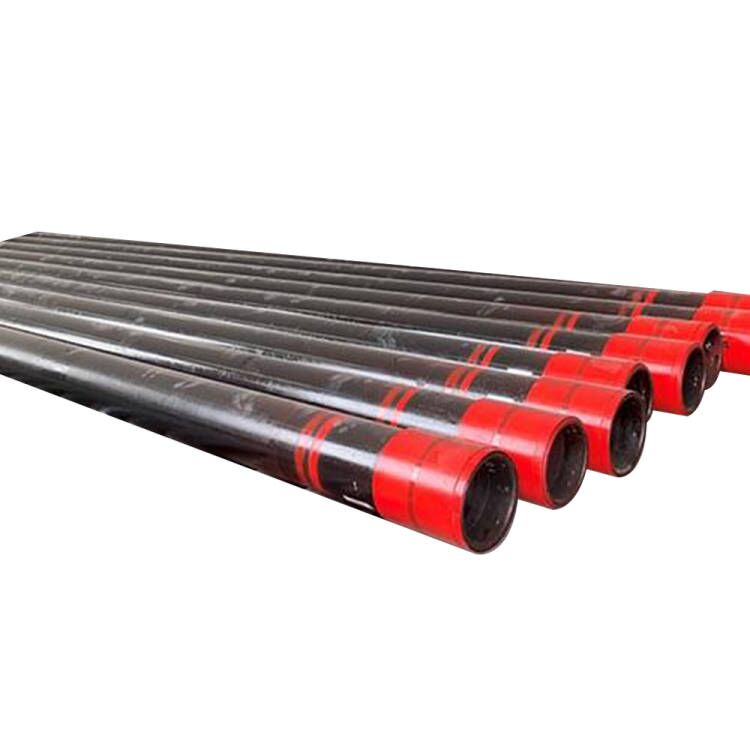
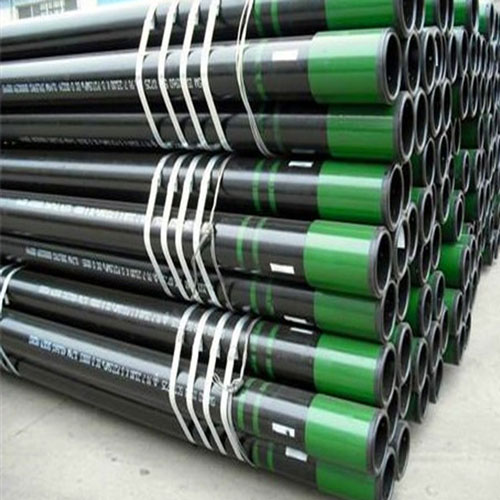
Gamme typique de tailles pour le tubage de puits de pétrole
Spécifications standard pour les tailles de tubage de puits de pétrole
En outre, les progrès dans les technologies et les matériaux de forage contiNuent d’affiner les spécifications des tailles de tubage des puits de pétrole. Les innovations en métallurgie ont conduit au développement de matériaux de tubage offrant une résistance accrue à la corrosion et aux contraintes mécaniques, prolongeant ainsi la durée de vie opérationnelle des puits dans des environnements difficiles.
En conclusion, la gamme spécifiée de tailles pour le tubage des puits de pétrole constitue la pierre angulaire. de l’engagement de l’industrie pétrolière et gazière envers l’excellence opérationnelle et la gestion de l’environnement. En adhérant à des normes strictes et en améliorant continuellement leurs capacités technologiques, les professionnels de l’industrie veillent à ce que les puits de pétrole soient construits et entretenus pour résister aux défis des opérations de forage modernes tout en maximisant la sécurité et l’efficacité.
La compréhension de ces normes souligne non seulement la complexité de la Construction des puits de pétrole, mais aussi souligne également l’engagement de l’industrie à répondre de manière responsable à la demande énergétique mondiale. À mesure que la technologie évolue et que la demande de pétrole et de gaz continue de croître, le respect des spécifications de tubage standardisées reste primordial pour garantir le développement durable des ressources et le succès opérationnel.
In the realm of Oil exploration and extraction, the dimensions and specifications of Oil Well Casing sizes are crucial determinants of operational efficiency and safety. These specifications, meticulously defined and standardized, ensure that Oil Wells are constructed with precision to withstand the rigors of drilling, production, and subsequent Maintenance.
Oil well casing sizes are defined based on specific standards that take into account the depth, geological conditions, and anticipated pressures within the wellbore. The range of sizes varies significantly to accommodate diverse geological formations and operational requirements. Typically, these sizes are categorized into standard dimensions that are universally recognized within the industry.
The American Petroleum Institute ( API) sets forth comprehensive standards for oil well casing sizes. These standards outline the permissible range of outer Diameters, Wall thicknesses, and nominal Weights of the Casing Pipes. For instance, casing sizes can start from relatively small diameters suitable for shallow wells and expand to larger diameters necessary for deep drilling operations.
The primary objective behind specifying such a range of sizes lies in ensuring the structural integrity and functionality of the casing throughout the well’s lifecycle. As drilling progresses deeper into the earth, the external pressures and geological complexities increase, necessitating larger and sturdier casings to maintain well stability and integrity.
Moreover, the dimensions of oil well casings are designed not only to withstand the pressure differentials but also to facilitate the efficient extraction of oil or natural Gas. Larger casings provide ample space for inserting production Tubing and other downhole equipment necessary for optimizing well productivity.
structural pipe sizesIn practical terms, oil well casings are typically categorized into Casing strings, each serving distinct purposes such as surface casing, intermediate casing, and Production casing. Surface casings, usually the largest in diameter, protect freshwater aquifers and provide structural support near the surface. Intermediate casings reinforce the wellbore against varying pressures encountered at intermediate depths, while production casings Seal off the well and enable efficient hydrocarbon extraction.

The selection of casing sizes is influenced by geological surveys, engineering analyses, and regulatory requirements specific to each drilling location. Engineers meticulously calculate the casing dimensions to ensure compliance with safety standards and operational efficiency, considering factors like wellbore stability, Cementing operations, and future well interventions.
Furthermore, advancements in drilling technologies and Materials continue to refine the specifications of oil well casing sizes. Innovations in metallurgy have led to the development of casing materials that offer enhanced resistance to corrosion and mechanical stresses, thereby extending the operational lifespan of wells in harsh environments.
In conclusion, the specified range of sizes for oil well casing serves as a cornerstone of the Oil and Gas industry’s commitment to operational excellence and environmental stewardship. By adhering to stringent standards and continuously improving technological capabilities, industry professionals ensure that oil wells are constructed and maintained to withstand the challenges of modern drilling operations while maximizing safety and efficiency.
Understanding these standards not only underscores the complexity of oil well construction but also highlights the industry’s dedication to meeting global energy demands responsibly. As technology evolves and demands for oil and gas continue to grow, adherence to standardized casing specifications remains paramount in ensuring sustainable resource development and operational success.