innovations dans la technologie des enveloppes pétrolières à haute résistance
Fabricant de bagues
D’un point de vue technologique, le développement de carters pétroliers à haute résistance souligne l’importance de l’innovation contiNue dans la science et l’ingénierie des matériaux. Les efforts de recherche et développement se sont concentrés sur l’optimisation de la composition des matériaux, le perfectionnement des processus de fabrication et la réalisation de tests rigoureux pour garantir la fiabilité dans des conditions réelles. La collaboration entre les chercheurs, les ingénieurs et les parties prenantes de l’industrie a joué un rôle crucial en repoussant les limites de ce qui est réalisable dans la technologie des boîtiers pétroliers.
Pour l’avenir, la trajectoire de la technologie des boîtiers pétroliers à haute résistance semble prometteuse. Les recherches en cours continuent d’explorer les moyens d’améliorer davantage les caractéristiques de performance telles que la résistance à la fatigue, la stabilité thermique et la compatibilité avec les techniques de forage avancées. Ces efforts sont motivés par l’impératif de répondre aux besoins changeants de l’industrie pétrolière et gazière dans un environnement opérationnel de plus en plus difficile.
En conclusion, l’introduction de nouveaux matériaux de tubage pétrolier à haute résistance représente une étape de transformation dans le domaine de l’exploration pétrolière. et extraction. En surmontant les difficultés et les conflits traditionnels associés aux boîtiers conventionnels, ces innovations promettent d’élever les normes opérationnelles, d’améliorer les résultats en matière de sécurité et de contribuer à un avenir énergétique plus durable. À mesure que l’industrie adopte ces avancées, le potentiel d’innovation et d’amélioration continue reste vaste, ouvrant la voie à un secteur pétrolier plus résilient et plus efficace dans les années à venir.
The benefits of these innovations are manifold. Firstly, the enhanced strength of the new Oil Casings reduces the risk of structural failure during drilling and extraction operations. This not only enhances safety for personnel but also minimizes the environmental impact of potential leaks or spills. Moreover, the improved Corrosion resistance extends the operational lifespan of the casings, reducing the frequency of replacements and thereby lowering Maintenance costs for oil Companies.
In addition to durability, the introduction of high-strength oil casings contributes to operational efficiency. Their ability to withstand higher pressures allows for deeper drilling, opening up previously inaccessible reservoirs and expanding the potential yield from existing wells. This capability is crucial in an industry where maximizing output while minimizing costs remains a constant challenge.
Furthermore, these advancements align with broader industry trends towards sustainability. By reducing the frequency of casing replacements and enhancing operational efficiency, high-strength oil casings contribute to a more environmentally responsible approach to oil extraction. This is particularly significant as the global energy sector increasingly seeks to balance the imperative of meeting growing energy demands with the necessity of mitigating environmental impact.
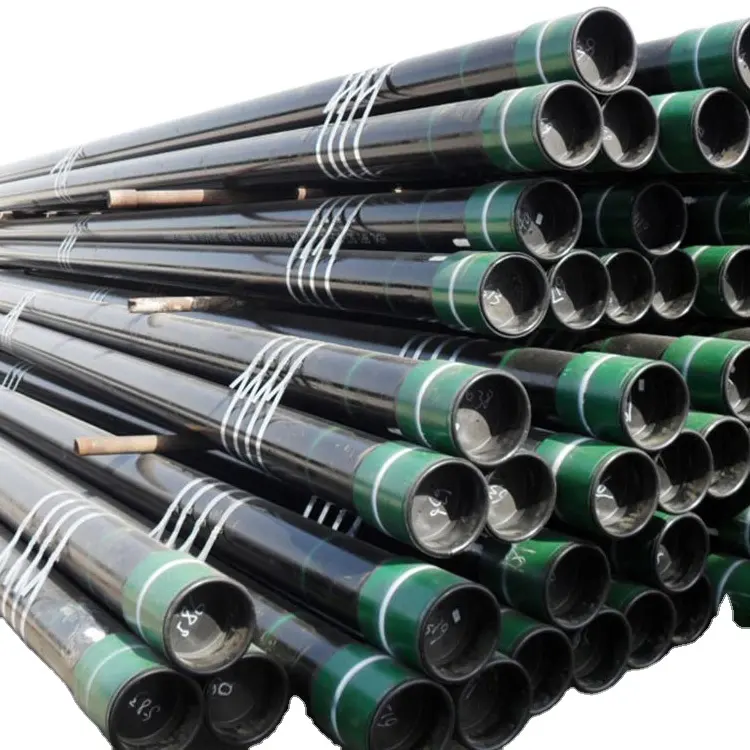
From a technological standpoint, the development of high-strength oil casings underscores the importance of continuous innovation in Materials science and engineering. Research and development efforts have focused on optimizing material compositions, refining manufacturing processes, and conducting rigorous testing to ensure reliability under real-world conditions. The collaboration between researchers, engineers, and industry stakeholders has been pivotal in pushing the boundaries of what is achievable in oil casing technology.
Looking ahead, the trajectory of high-strength oil casing technology appears promising. Ongoing research continues to explore ways to further enhance performance characteristics such as fatigue resistance, thermal stability, and compatibility with advanced drilling techniques. These efforts are driven by the imperative to meet the evolving needs of the Oil and Gas industry in an increasingly challenging operating environment.
In conclusion, the introduction of new high-strength Oil casing materials represents a transformative milestone in the field of oil exploration and extraction. By surpassing traditional difficulties and conflicts associated with conventional casings, these innovations promise to elevate operational standards, improve safety outcomes, and contribute to a more sustainable energy future. As the industry embraces these advancements, the potential for continued innovation and improvement remains vast, paving the way for a more resilient and efficient oil sector in the years to come.