Stratégies efficaces pour prévenir les fuites dans les carters d’huile : un guide complet
Études de cas : Comment les industries mettent en œuvre avec succès des solutions de boîtiers d’huile étanches
L’avenir de la technologie des cuvelages pétroliers : innovations et tendances
Pour l’avenir, l’avenir de la technologie des tubages pétroliers est prêt à évoluer et à innover contiNuellement. Les efforts de recherche et développement se concentrent sur l’amélioration de la durabilité des matériaux, l’amélioration de l’efficacité de l’installation et l’avancement des capacités de surveillance. Les initiatives de collaboration entre les parties prenantes de l’industrie, les instituts de recherche et les organismes de réglementation sont essentielles pour accélérer ces progrès et relever les défis émergents.
En conclusion, la poursuite d’une position ferme contre les fuites de tubages souligne le potentiel de transformation des technologies innovantes de tubage pétrolier. En adoptant la science des matériaux, la numérisation et les pratiques durables, l’industrie est sur le point d’élever les normes opérationnelles et d’atténuer les risques environnementaux. Alors que les limites technologiques continuent d’être repoussées, la résilience et la fiabilité des systèmes de tubage pétrolier resteront primordiales pour façonner le futur paysage de la production énergétique et de la gestion de l’environnement.
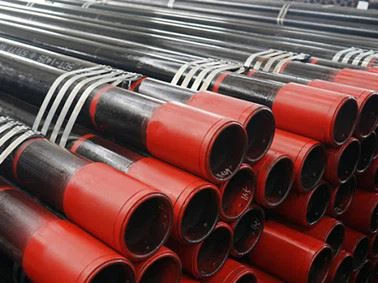
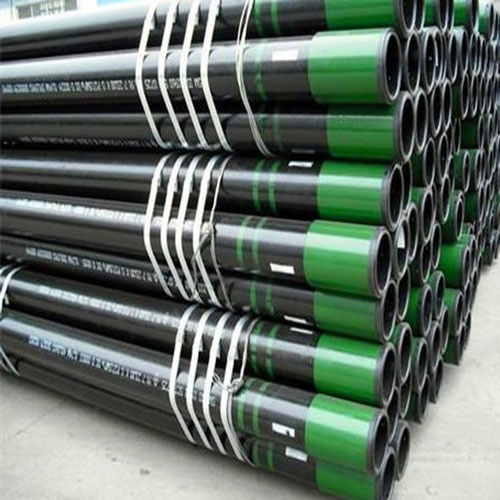
K55 Oil Casing TubingIn another compelling case study, Company Y, operating in onshore oil fields prone to geological stresses, implemented a bespoke casing solution tailored to withstand extreme pressure differentials and geological movements. By collaborating with geotechnical experts and utilizing high-strength casing alloys, Company Y achieved unparalleled success in averting casing failures and subsequent Leakage incidents. This proactive approach not only safeguarded their operational continuity but also underscored their commitment to sustainable resource management.
The economic ramifications of casing leakage cannot be overstated. Beyond the direct costs associated with containment and cleanup efforts, Companies risk incurring hefty fines and legal liabilities, alongside reputational damage. Recognizing these multifaceted risks, forward-thinking industry leaders are increasingly investing in comprehensive risk assessment frameworks and contingency plans. These frameworks encompass preemptive Maintenance schedules, emergency response protocols, and employee training initiatives aimed at fostering a culture of operational excellence and environmental stewardship.
Looking ahead, the imperative to fortify Oil Casing against leakage remains pivotal amidst evolving geopolitical dynamics and environmental imperatives. As global energy demands escalate, so too does the urgency to adopt sustainable practices that mitigate ecological footprint and enhance operational resilience. By embracing leak-proof oil casing solutions, industries not only safeguard their bottom line but also uphold their commitment to environmental sustainability and regulatory compliance.
In conclusion, the narrative of leak-proof oil casing solutions epitomizes a proactive stance towards industrial responsibility and sustainable resource management. Through strategic investments in technology, regulatory adherence, and operational diligence, industries forge a path towards resilient energy infrastructure and environmental stewardship. As stakeholders navigate the complexities of a r APIdly evolving energy landscape, the steadfast commitment to leak-proof oil casing solutions emerges as a cornerstone of operational excellence and environmental resilience in the 21st century.
The Future of Oil Casing Technology: Innovations and Trends
In the realm of oil exploration and production, the integrity of oil casing technology stands as a pivotal factor in ensuring operational efficiency and environmental safety. As the industry navigates towards more advanced methodologies and Materials, the imperative to prevent casing leakage has become increasingly central. This article delves into the innovations and trends shaping the future of oil casing technology, emphasizing the steadfast commitment to mitigate casing leakage risks.
Oil casing serves as a critical barrier, protecting the wellbore and preventing fluid migration between geological formations. Traditionally, Steel has been the cornerstone material for casing due to its robustness and reliability. However, the evolving landscape of oil extraction demands more resilient solutions capable of withstanding higher pressures, corrosive environments, and prolonged operational lifespans.
One notable innovation gaining traction is the development of composite materials for casing. Engineered composites offer superior resistance to corrosion and can be tailored to specific operational requirements. By integrating advanced polymers and reinforcing fibers, composite casings enhance structural integrity while reducing Weight and installation complexity. These materials not only extend the operational lifespan of wells but also contribute significantly to reducing environmental impact through enhanced containment reliability.
Furthermore, the advent of smart casing technologies represents a transformative leap forward in monitoring and controlling casing integrity in real-time. Embedded sensors and data analytics enable continuous assessment of casing conditions, detecting potential leaks or failures before they escalate. This proactive approach not only minimizes downtime and maintenance costs but also enhances overall operational safety and efficiency.
In parallel, innovations in casing design focus on optimizing installation processes and enhancing Seal integrity. Advanced casing Connections, such as premium Threaded joints and metal-to-metal seals, ensure robust containment under extreme pressures and temperatures. Moreover, developments in automated casing running tools streamline installation procedures, reducing human error and operational delays.
The industry’s commitment to sustainability has also spurred innovations in eco-friendly casing technologies. Bio-based polymers and recyclable materials are emerging as viable alternatives to traditional casing materials, offering reduced carbon footprints and lifecycle impacts. These innovations underscore a broader industry shift towards integrating environmental stewardship into technological advancements.
Regulatory frameworks and industry standards play a pivotal role in driving innovation and ensuring the reliability of oil casing technology. Stringent compliance requirements mandate rigorous testing and certification processes for new materials and designs, fostering confidence in their performance and reliability in challenging operating environments.
 Looking ahead, the future of oil casing technology is poised for continued evolution and innovation. Research and development efforts are focused on enhancing material durability, improving installation efficiency, and advancing monitoring capabilities. Collaborative initiatives between industry stakeholders, research institutions, and regulatory bodies are pivotal in accelerating these advancements and addressing emerging challenges.
In conclusion, the pursuit of a firm stance against casing leakage underscores the transformative potential of innovative oil casing technologies. By embracing materials science, digitalization, and sustainable practices, the industry is poised to elevate operational standards and mitigate environmental risks. As technological boundaries continue to be pushed, the resilience and reliability of oil casing systems will remain paramount in shaping the future landscape of energy production and environmental stewardship.