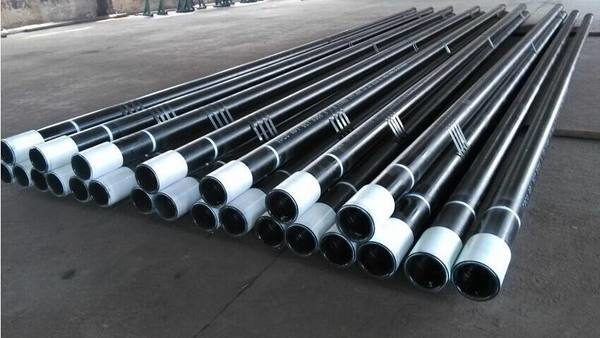
Sifa Zilizofaa za Nyenzo za Kufunga Mafuta: Kuelewa Sifa za Mitambo na Viwango vya Utendaji
Vigezo vya Uteuzi wa Nyenzo za Kufunga Mafuta: Kutathmini Masharti ya Mazingira na Mambo Upatanifu
Uteuzi wa nyenzo za kabati za mafuta ni kipengele muhimu cha tasnia ya mafuta na gesi, kwani huathiri moja kwa moja usalama, ufanisi na maisha marefu ya shughuli za uchimbaji. Wakati wa kutathmini nyenzo zinazofaa kwa Casing ya mafuta, ni muhimu kuzingatia hali mbalimbali za mazingira na mambo ya utangamano ambayo yanaweza kuathiri utendaji wa nyenzo hizi kwenye shamba. Madhumuni ya kimsingi ni kuhakikisha kuwa kifuko kilichochaguliwa kinaweza kustahimili hali mbaya ambayo kawaida hukutana wakati wa uchimbaji na michakato ya uzalishaji, na pia kudumisha uadilifu wa muundo baada ya muda. tovuti. Hali hizi zinaweza kutofautiana kwa kiasi kikubwa kulingana na eneo la kijiografia, kina cha kisima, na sifa maalum za malezi inayochimbwa. Kwa mfano, katika shughuli za uchimbaji wa pwani, nyenzo za casing lazima zistahimili kutu unaosababishwa na maji ya bahari na mazingira mengine ya chumvi. Vile vile, katika matumizi ya nchi kavu, mambo kama vile muundo wa udongo, mabadiliko ya joto, na uwepo wa gesi babuzi kama vile salfidi hidrojeni lazima zizingatiwe. Kwa hiyo, uelewa wa kina wa hali ya mazingira ni muhimu katika kuamua nyenzo za casing zinazofaa zaidi.
Mbali na mambo ya mazingira, utangamano na maji na gesi ambayo itakabiliwa wakati wa kuchimba visima na uzalishaji ni kigezo kingine muhimu. Casing lazima iweze kustahimili mfiduo wa hidrokaboni mbalimbali, maji, na dutu nyingine za kemikali bila kuharibu au kupoteza sifa zake za kiufundi. Kwa mfano, aina fulani za chuma zinaweza kukabiliwa na mkazo wa kupasuka kwa kutu zinapokabiliwa na mazingira mahususi ya kemikali. Kwa hivyo, ni muhimu kuchagua nyenzo ambazo sio tu zinakidhi mahitaji ya nguvu ya kimitambo lakini pia zinaonyesha upinzani bora dhidi ya kutu na aina zingine za uharibifu.
Aidha, sifa za kiufundi za nyenzo za casing zina jukumu kubwa katika uteuzi wao. Nyenzo lazima ziwe na nguvu ya kutosha ya kustahimili mikazo, nguvu ya mavuno, na udugu ili kuhimili mikazo inayowekwa wakati wa shughuli za uchimbaji. Casing lazima pia iweze kustahimili shinikizo linalotolewa na miundo ya kijiolojia inayozunguka, pamoja na shinikizo la ndani kutoka kwa maji yanayosafirishwa. Kwa hivyo, nyenzo kama vile chuma cha kaboni, chuma cha pua na aloi mbalimbali mara nyingi hutathminiwa kwa sifa zao za kimitambo ili kuhakikisha kuwa zinakidhi mahitaji mahususi ya programu.
Kipengele kingine muhimu cha kuzingatia ni michakato ya utengenezaji na usakinishaji inayohusishwa na nyenzo za casing. . Urahisi wa kutengeneza, kulehemu, na ufungaji unaweza kuathiri kwa kiasi kikubwa ufanisi wa jumla na ufanisi wa gharama ya uendeshaji wa kuchimba visima. Nyenzo ambazo ni ngumu kufanyia kazi au zinahitaji mbinu maalum zinaweza kusababisha kuongezeka kwa gharama za wafanyikazi na muda uliopanuliwa wa mradi. Kwa hivyo, kuchagua nyenzo ambazo zinapatikana kwa urahisi na zinazoendana na mazoea ya kawaida ya usakinishaji kunaweza kuongeza ufanisi wa uendeshaji.
 Zaidi ya hayo, mambo ya kiuchumi hayawezi kupuuzwa katika mchakato wa uteuzi. Gharama ya vifaa, pamoja na uwezekano wa matengenezo na uingizwaji, lazima ichunguzwe kwa uangalifu. Ingawa inaweza kushawishi kuchagua chaguo ghali zaidi, ni muhimu kuzingatia athari za muda mrefu za uteuzi wa nyenzo. Uwekezaji katika nyenzo za ubora wa juu zinazotoa utendakazi wa hali ya juu na uimara unaweza hatimaye kusababisha kupunguzwa kwa gharama za uendeshaji na kuongezeka kwa usalama.
Kwa kumalizia, uteuzi wa nyenzo za kuweka mafuta ni mchakato wenye mambo mengi unaohitaji kuzingatia kwa makini hali ya mazingira, vipengele vya uoanifu, mitambo. mali, michakato ya utengenezaji, na athari za kiuchumi. Kwa kutathmini kwa kina vigezo hivi, wataalamu wa tasnia wanaweza kufanya maamuzi sahihi ambayo huongeza usalama, ufanisi na maisha marefu ya shughuli za mafuta na gesi. Hatimaye, nyenzo iliyochaguliwa vizuri ya casing sio tu inalinda uadilifu wa kisima lakini pia huchangia mafanikio ya jumla ya mradi wa kuchimba visima.
Selection Criteria for Oil Casing Materials: Evaluating Environmental Conditions and Compatibility Factors
The selection of oil casing materials is a critical aspect of the Oil and Gas industry, as it directly impacts the safety, efficiency, and longevity of drilling operations. When evaluating the appropriate materials for oil casing, it is essential to consider various environmental conditions and compatibility factors that can influence the performance of these materials in the field. The primary objective is to ensure that the selected casing can withstand the harsh conditions typically encountered during drilling and production processes, while also maintaining structural integrity over time.
One of the foremost considerations in the selection process is the environmental conditions present at the drilling site. These conditions can vary significantly based on geographical location, depth of the well, and the specific characteristics of the formation being drilled. For instance, in offshore drilling operations, the casing materials must be resistant to corrosion caused by seawater and other saline environments. Similarly, in onshore applications, factors such as soil composition, temperature fluctuations, and the presence of corrosive gases like hydrogen sulfide must be taken into account. Therefore, a thorough understanding of the environmental conditions is paramount in determining the most suitable casing materials.
In addition to environmental factors, compatibility with the fluids and gases that will be encountered during drilling and production is another critical criterion. The casing must be able to withstand exposure to various hydrocarbons, water, and other chemical substances without degrading or losing its mechanical properties. For example, certain types of Steel may be susceptible to stress corrosion cracking when exposed to specific chemical environments. Consequently, it is essential to select materials that not only meet the mechanical strength requirements but also exhibit excellent resistance to corrosion and other forms of degradation.
Moreover, the mechanical properties of the casing materials play a significant role in their selection. The materials must possess adequate tensile strength, yield strength, and ductility to withstand the stresses imposed during drilling operations. The casing must also be able to endure the pressure exerted by the surrounding geological formations, as well as the internal pressures from the fluids being transported. Therefore, materials such as Carbon steel, Stainless Steel, and various alloys are often evaluated for their mechanical properties to ensure they meet the specific demands of the application.
Another important aspect to consider is the manufacturing and installation processes associated with the casing materials. The ease of fabrication, welding, and installation can significantly impact the overall efficiency and cost-effectiveness of the drilling operation. Materials that are difficult to work with or require specialized techniques may lead to increased labor costs and extended project timelines. Therefore, selecting materials that are readily available and compatible with standard installation practices can enhance operational efficiency.
Furthermore, economic factors cannot be overlooked in the selection process. The cost of materials, along with the potential for Maintenance and replacement, must be carefully evaluated. While it may be tempting to opt for the least expensive option, it is crucial to consider the long-term implications of material selection. Investing in higher-quality materials that offer superior performance and durability can ultimately lead to reduced operational costs and increased safety.
In conclusion, the selection of oil casing materials is a multifaceted process that requires careful consideration of environmental conditions, compatibility factors, mechanical properties, manufacturing processes, and economic implications. By thoroughly evaluating these criteria, industry professionals can make informed decisions that enhance the safety, efficiency, and longevity of oil and gas operations. Ultimately, a well-cHosen casing material not only protects the integrity of the well but also contributes to the overall success of the drilling project.