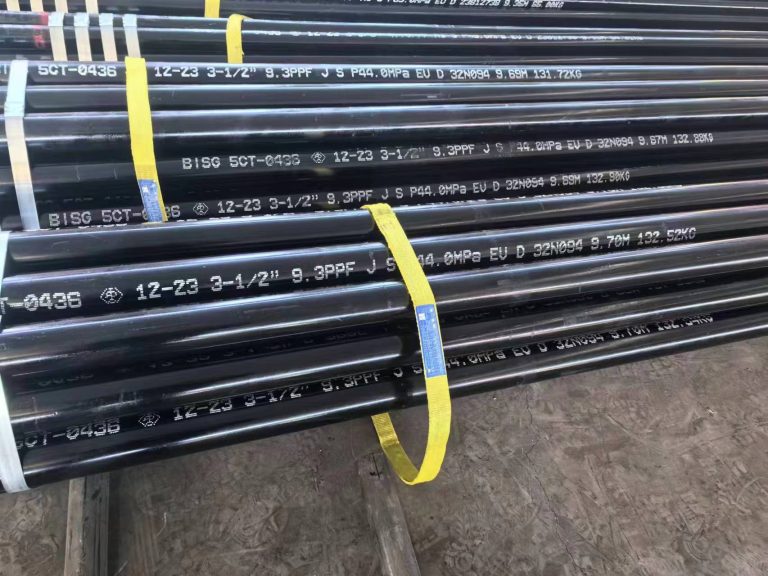
**Kuelewa Ufanisi wa Nishati katika Nyenzo za Kuzuia Kuoza kwa Casing ya Mafuta**
**Kutathmini Mahitaji Mahususi ya Maombi kwa Uteuzi wa Nyenzo ya Kuzuia Kuoza**
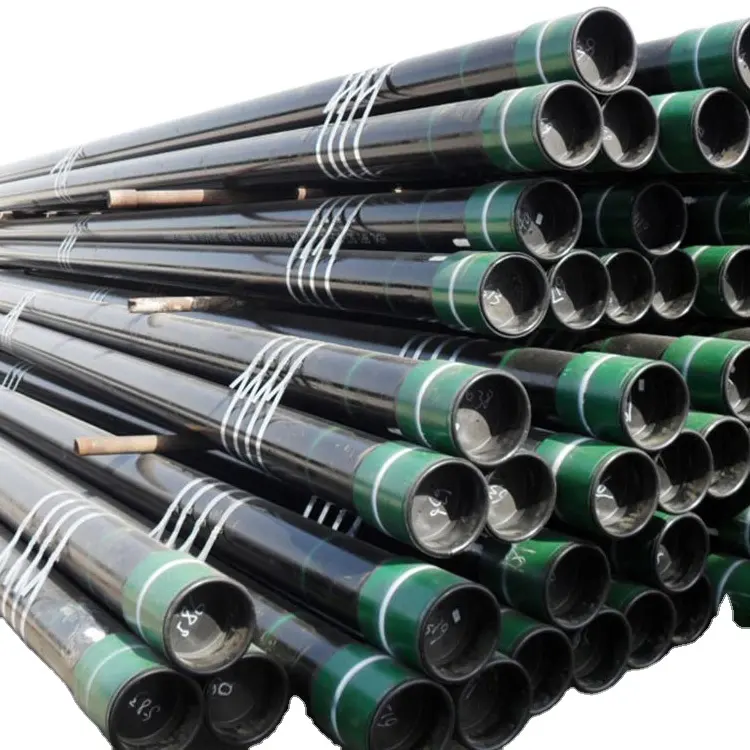
Kuanza, mtu lazima azingatie hali ya mazingira ambayo kabati la mafuta litafanya kazi. Hii ni pamoja na kutathmini vipengele kama vile halijoto, unyevunyevu, na uwepo wa mawakala babuzi kama vile maji ya chumvi au misombo ya asidi. Kwa mfano, katika uombaji wa kuchimba visima nje ya nchi, kasha mara nyingi huwekwa wazi kwa mazingira magumu ya baharini, ambayo yanaweza kuongeza kasi ya kutu. Kwa hiyo, nyenzo zinazoonyesha upinzani mkubwa kwa hali ya chumvi, kama vile chuma cha pua au mipako maalum, inaweza kuwa sahihi zaidi. Kinyume chake, katika matumizi ya nchi kavu ambapo mazingira hayana fujo, nyenzo mbadala zinaweza kutosha, na hivyo kutoa suluhu ya gharama nafuu zaidi bila kuathiri utendakazi.
Mbali na vipengele vya mazingira, ni muhimu kutathmini vigezo vya uendeshaji wa kabati la mafuta. Hii inajumuisha viwango vya shinikizo na halijoto ambavyo casing itapata wakati wa mzunguko wake wa maisha. Mazingira ya shinikizo la juu yanaweza kulazimisha utumizi wa nyenzo nene au thabiti zaidi kustahimili mikazo ya kimitambo, ilhali hali ya joto ya juu inaweza kuhitaji nyenzo zinazodumisha uadilifu wao na sifa za kuzuia kutu katika halijoto ya juu. Kuelewa mahitaji haya ya uendeshaji ni muhimu, kwani huathiri moja kwa moja uteuzi wa nyenzo ambazo zinaweza kupunguza kutu ipasavyo huku ikihakikisha uthabiti wa muundo wa kabati.
Aidha, muda wa maisha unaotarajiwa wa kasha la mafuta ni jambo lingine muhimu linalozingatiwa. Programu tofauti zinaweza kuwa na matarajio tofauti kuhusu maisha marefu ya casing, ambayo inaweza kuathiri kwa kiasi kikubwa uteuzi wa nyenzo. Kwa mfano, ikiwa mradi unatarajiwa kuwa na muda mrefu wa uendeshaji, kuwekeza katika nyenzo za ubora wa juu za kuzuia kutu kunaweza kuhalalishwa, kwa kuwa kunaweza kupunguza gharama za matengenezo na muda wa chini unaohusishwa na kushindwa kuhusishwa na kutu. Kwa upande mwingine, kwa miradi ya muda mfupi, inaweza kuwa busara zaidi kuchagua nyenzo za bei nafuu ambazo bado hutoa ulinzi wa kutosha dhidi ya kutu kwa muda wa operesheni.
Zaidi ya hayo, ni muhimu kuzingatia utangamano wa waliochaguliwa. vifaa vya kuzuia kutu na mafuta yanayotolewa. Nyenzo fulani zinaweza kuathiri vibaya aina mahususi za mafuta au viungio, hivyo kusababisha uharibifu ulioharakishwa au utendakazi kuathiriwa. Kwa hivyo, kufanya majaribio ya uoanifu na kushauriana na wataalam wa nyenzo kunaweza kutoa maarifa muhimu katika chaguo bora kwa programu mahususi.
Mbali na mambo haya ya kiufundi, mtu lazima azingatie athari za kiuchumi za uteuzi wa nyenzo. Ingawa inaweza kushawishi kuchagua chaguo la gharama nafuu zaidi, ni muhimu kutathmini gharama za muda mrefu zinazohusiana na matengenezo, uingizwaji, na uwezekano wa usumbufu wa uendeshaji unaosababishwa na kutu. Nyenzo ya bei ghali zaidi na isiyotumia nishati inaweza hatimaye kuwa ya gharama nafuu kadri muda unavyopita, kwani inaweza kusababisha kupunguza matumizi ya nishati na kupunguza gharama za uendeshaji kwa ujumla. nyenzo za kuzuia kutu huhitaji mbinu yenye vipengele vingi inayozingatia hali ya mazingira, vigezo vya uendeshaji, maisha yanayotarajiwa, upatanifu wa nyenzo na mambo ya kiuchumi. Kwa kutathmini kwa uangalifu mahitaji haya mahususi ya matumizi, mtu anaweza kufanya maamuzi sahihi ambayo sio tu yanaboresha utendakazi na maisha marefu ya kabati ya mafuta lakini pia kuchangia ufanisi wa jumla wa nishati na uendelevu katika tasnia ya mafuta na gesi. Mchakato huu makini wa uteuzi hatimaye hupelekea kuboreshwa kwa utendakazi na kupunguza athari za kimazingira, kulingana na msisitizo unaokua wa tasnia katika usimamizi wa rasilimali unaowajibika.
**Evaluating Application-Specific Requirements for Anticorrosion Material Selection**
When it comes to selecting an energy-efficient Oil Casing anticorrosion material, it is imperative to begin by thoroughly evaluating the specific application requirements. This process involves a comprehensive understanding of the environmental conditions, operational parameters, and the anticipated lifespan of the oil casing. Each of these factors plays a crucial role in determining the most suitable anticorrosion material that not only meets performance expectations but also aligns with energy efficiency goals.
To start with, one must consider the environmental conditions in which the oil casing will operate. This includes assessing factors such as temperature, humidity, and the presence of corrosive agents like saltwater or acidic compounds. For instance, in offshore drilling applications, the casing is often exposed to harsh marine environments, which can accelerate corrosion. Therefore, materials that exhibit high resistance to saline conditions, such as Stainless Steel or specialized coatings, may be more appropriate. Conversely, in onshore applications where the environment is less aggressive, alternative materials might suffice, potentially offering a more cost-effective solution without compromising performance.
In addition to environmental factors, it is essential to evaluate the operational parameters of the oil casing. This encompasses the pressure and temperature ranges that the casing will experience during its lifecycle. High-pressure environments may necessitate the use of thicker or more robust materials to withstand mechanical stresses, while high-temperature conditions could require materials that maintain their integrity and anticorrosion properties at elevated temperatures. Understanding these operational demands is critical, as it directly influences the selection of materials that can effectively mitigate corrosion while ensuring the structural integrity of the casing.
Moreover, the anticipated lifespan of the oil casing is another vital consideration. Different applications may have varying expectations regarding the longevity of the casing, which can significantly impact material selection. For instance, if a project is expected to have a long operational life, investing in higher-quality anticorrosion materials may be justified, as they can reduce Maintenance costs and downtime associated with corrosion-related failures. On the other hand, for short-term projects, it may be more prudent to opt for less expensive materials that still provide adequate protection against corrosion for the duration of the operation.
Furthermore, it is important to consider the compatibility of the selected anticorrosion material with the oil being extracted. Certain materials may react adversely with specific types of oil or additives, leading to accelerated degradation or compromised performance. Therefore, conducting compatibility tests and consulting with material experts can provide valuable insights into the best choices for specific applications.
In addition to these technical considerations, one must also take into account the economic implications of material selection. While it may be tempting to choose the least expensive option, it is crucial to evaluate the long-term costs associated with maintenance, replacement, and potential operational disruptions caused by corrosion. A more expensive, energy-efficient material may ultimately prove to be more cost-effective over time, as it can lead to reduced energy consumption and lower overall operational costs.
steel piping chinese Best CompanyIn conclusion, selecting an energy-efficient oil casing anticorrosion material requires a multifaceted approach that considers environmental conditions, operational parameters, anticipated lifespan, material compatibility, and economic factors. By carefully evaluating these application-specific requirements, one can make informed decisions that not only enhance the performance and longevity of the oil casing but also contribute to overall energy efficiency and sustainability in the Oil and Gas industry. This thoughtful selection process ultimately leads to improved operational reliability and reduced environmental impact, aligning with the industry’s growing emphasis on responsible resource management.