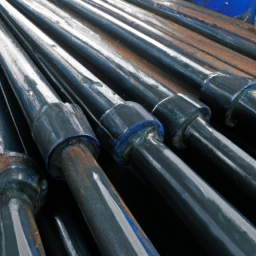
Mfuko wa Mafuta katika Ujenzi wa Kisima
Mfumo wa Mafuta kwa Kudhibiti Shinikizo
Kabati la Mafuta katika Ulinzi wa Mazingira
Zaidi ya hayo, matumizi ya teknolojia ya hali ya juu katika muundo na usakinishaji wa kabati la mafuta yameongeza ufanisi wake katika ulinzi wa mazingira. Ubunifu kama vile mbinu za kuweka saruji na mifumo ya ufuatiliaji huruhusu tathmini ya wakati halisi ya uadilifu wa kabati, kuwezesha waendeshaji kugundua masuala yanayoweza kutokea kabla ya kuzidi kuwa matatizo makubwa. Teknolojia hizi sio tu kwamba zinaboresha usalama wa shughuli za uchimbaji lakini pia huchangia katika utendaji endelevu zaidi ndani ya sekta hiyo.
Kwa kumalizia, matumizi mahususi ya kasha la mafuta katika ulinzi wa mazingira yana mambo mengi na muhimu kwa uchimbaji unaowajibika wa mafuta na gesi. Kwa kutoa usaidizi wa kimuundo, kutenga maumbo nyeti ya kijiolojia, kuzuia uvujaji, na kudhibiti bidhaa zinazotoka nje, kasha la mafuta hutumika kama kizuizi muhimu kati ya shughuli za viwanda na mazingira. Wakati tasnia inaendelea kubadilika, msisitizo juu ya utunzaji wa mazingira utaongeza maendeleo zaidi katika teknolojia ya Casing, kuhakikisha kwamba uchimbaji wa maliasili unaweza kutokea kwa athari ndogo kwa mfumo ikolojia unaozunguka. Hatimaye, jukumu la hifadhi ya mafuta katika ulinzi wa mazingira inasisitiza umuhimu wa kuunganisha usalama na uendelevu katika mazoea ya sekta ya mafuta na gesi.
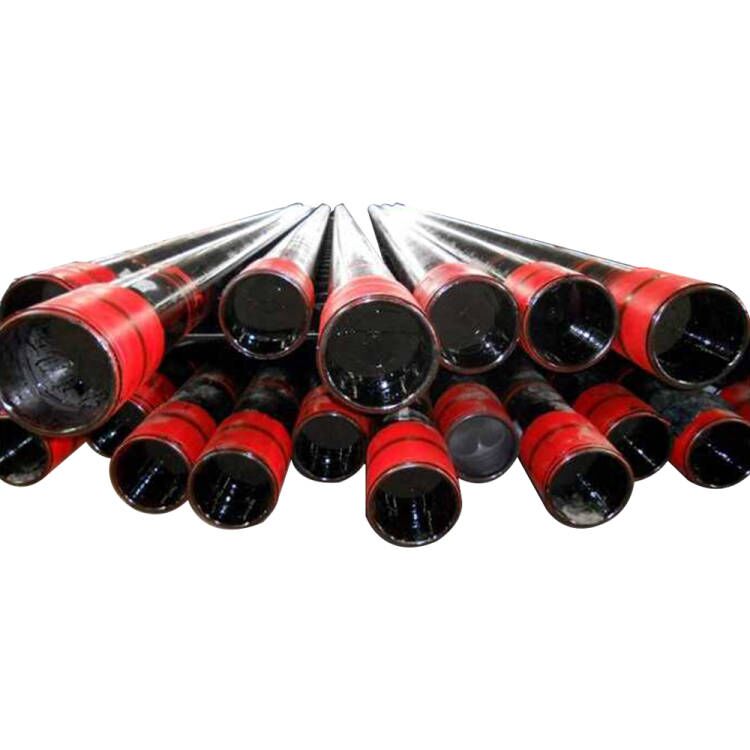
In addition to providing structural support, Oil Casing also serves as a barrier to isolate different pressure zones within the well. This isolation is essential for preventing the migration of fluids between formations, which can lead to contamination and other operational challenges. For instance, when drilling through multiple geological layers, each with its own pressure characteristics, the casing acts as a protective sheath that contains the pressures of each zone. This containment is critical not only for the efficiency of the extraction process but also for environmental protection, as it minimizes the risk of unwanted fluid migration that could impact surrounding ecosystems.
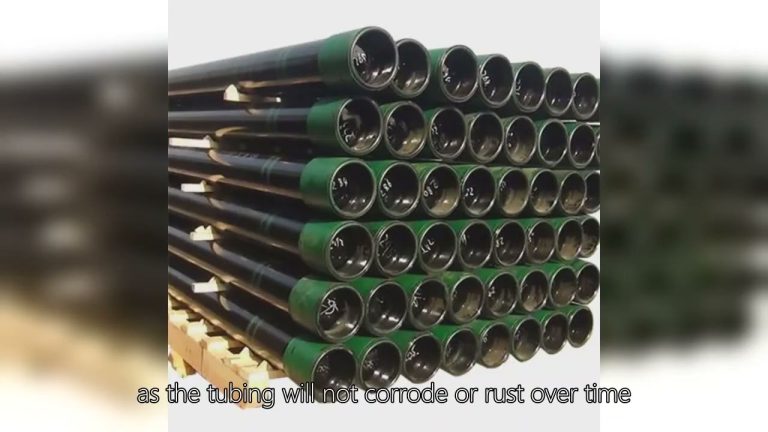
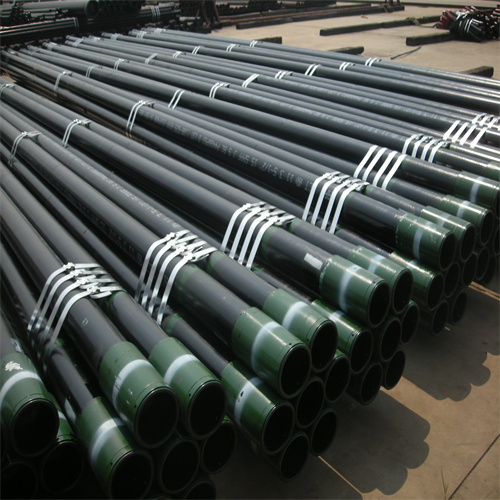
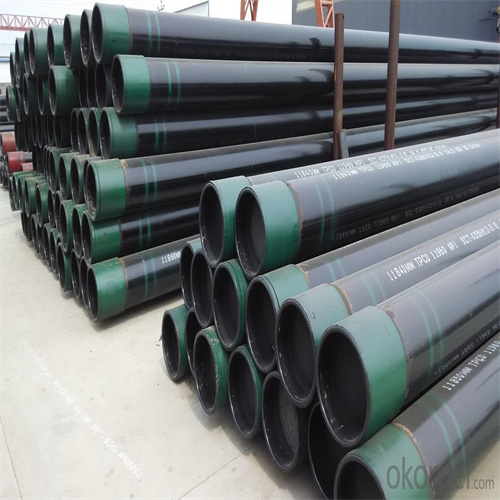
Moreover, the Material and design of oil casing are specifically engineered to withstand the extreme conditions encountered in subsurface environments. Typically made from high-strength Steel, oil casing is designed to endure the mechanical stresses and corrosive elements present in the well. The selection of appropriate casing grades and sizes is determined by factors such as the expected pressure, temperature, and the chemical composition of the fluids being produced. This careful consideration ensures that the casing can effectively manage the pressures while maintaining its structural integrity over time.
As drilling technology advances, the applications of oil casing for pressure management contiNue to evolve. innovations such as expandable casing systems allow for enhanced adaptability in varying geological conditions. These systems can be expanded to fit the wellbore precisely, providing additional support and pressure management capabilities. This adaptability is particularly beneficial in complex drilling scenarios, where traditional casing methods may fall short. By utilizing such advanced technologies, operators can optimize their drilling operations, reduce costs, and enhance safety measures.
API 5ct l80 13Cr CASING chinese Best CompanyFurthermore, the role of oil casing in pressure management extends beyond the drilling phase. During production, the casing continues to function as a critical component in managing the pressures associated with hydrocarbon extraction. The casing must withstand not only the initial pressures encountered during drilling but also the dynamic pressures that arise during the production phase. This ongoing pressure management is essential for maintaining optimal production rates and ensuring the longevity of the well.
In conclusion, oil casing is indispensable for effective pressure management in Oil and Gas operations. Its ability to provide structural support, isolate pressure zones, and withstand extreme conditions makes it a fundamental element in the safe and efficient extraction of hydrocarbons. As technology continues to advance, the applications of oil casing will likely expand, further enhancing its role in pressure management and contributing to the overall success of drilling operations. The ongoing development of innovative casing solutions will ensure that the industry can meet the challenges of increasingly complex subsurface environments while prioritizing safety and environmental protection.
Oil Casing in Environmental Protection
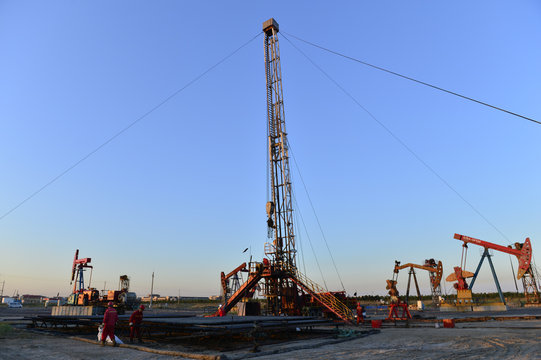
Oil casing plays a crucial role in the oil and gas industry, serving not only as a structural component but also as a vital element in environmental protection. The primary function of oil casing is to line the borehole during drilling operations, providing stability and preventing the collapse of the well. However, its significance extends beyond mere structural integrity; it is instrumental in safeguarding the environment from potential contamination and ensuring the safe extraction of hydrocarbons.
One of the most critical applications of oil casing in environmental protection is its ability to isolate different geological formations. During the drilling process, various layers of rock and sediment are encountered, some of which may contain water aquifers or other sensitive environmental resources. By effectively Sealing these layers, oil casing prevents the migration of fluids between them, thereby protecting freshwater sources from contamination by hydrocarbons or drilling fluids. This isolation is essential in maintaining the integrity of the surrounding ecosystem and ensuring that local water supplies remain uncontaminated.
Moreover, oil casing is designed to withstand high pressures and corrosive environments, which is vital for preventing leaks and spills. The integrity of the casing is paramount, as any failure could lead to catastrophic environmental consequences. For instance, a compromised casing could allow oil or gas to escape into the surrounding soil or groundwater, leading to pollution and potential harm to wildlife and plant life. Therefore, the materials used in oil casing are selected for their durability and resistance to corrosion, ensuring that they can endure the harsh conditions often found in subsurface environments.
In addition to preventing contamination, oil casing also plays a role in managing the byproducts of oil extraction. During the production phase, various gases and fluids are often released, some of which can be harmful to the environment. Properly installed casing systems can facilitate the safe venting or reinjection of these byproducts, minimizing their impact on the surrounding area. This management is crucial in reducing the overall environmental footprint of oil and gas operations, demonstrating the industry’s commitment to responsible resource extraction.
Furthermore, the use of advanced technologies in oil casing design and installation has enhanced its effectiveness in environmental protection. Innovations such as Cementing techniques and monitoring systems allow for real-time assessment of casing integrity, enabling operators to detect potential issues before they escalate into significant problems. These technologies not only improve the safety of drilling operations but also contribute to more sustainable practices within the industry.
In conclusion, the distinct applications of oil casing in environmental protection are multifaceted and critical to the responsible extraction of oil and gas. By providing structural support, isolating sensitive geological formations, preventing leaks, and managing byproducts, oil casing serves as a vital barrier between industrial activities and the environment. As the industry continues to evolve, the emphasis on environmental stewardship will likely drive further advancements in casing technology, ensuring that the extraction of natural resources can occur with minimal impact on the surrounding ecosystem. Ultimately, the role of oil casing in environmental protection underscores the importance of integrating safety and sustainability into the practices of the oil and gas sector.