Umuhimu wa Uchaguzi wa Nyenzo katika Mfuko wa Mafuta: Mambo Muhimu ya Kuzingatia
Mwongozo Kamili wa Kuchagua Ukubwa Sahihi wa Mfuko wa Mafuta
Upinzani wa joto
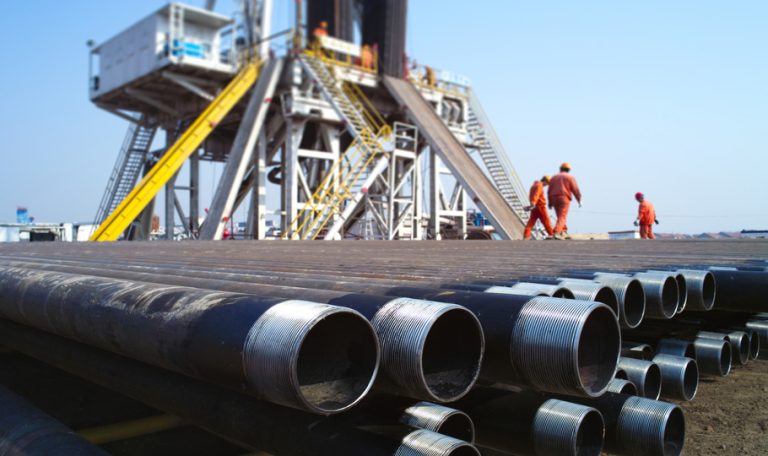
Choosing the right Oil Casing size is a crucial decision in the drilling process, impacting well integrity, production efficiency, and overall project success. Oil casing serves as the primary structural component of a well, providing crucial support to the borehole and protecting the wellbore from external pressures and formation fluids. Deeply understanding the factors influencing casing size selection is essential for ensuring optimal well performance and longevity.
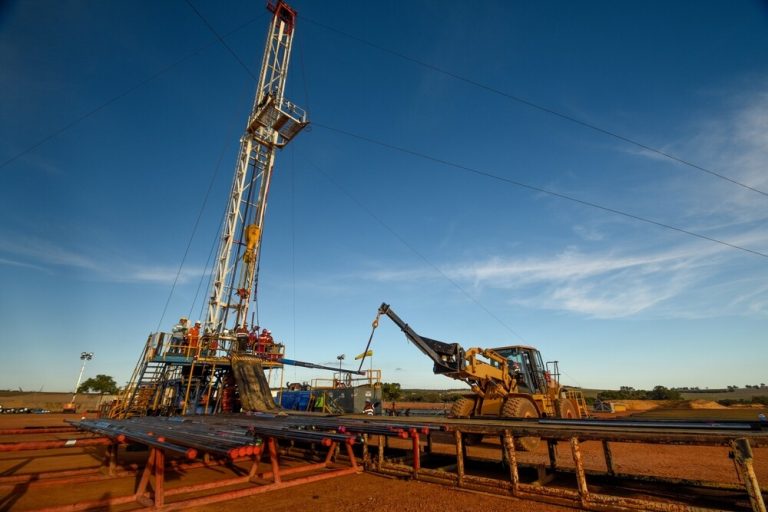
One of the primary considerations when selecting oil casing size is the well’s intended depth. Wells drilled to greater depths require larger casing sizes to withstand higher pressures and provide sufficient structural integrity. Engineers and drilling professionals meticulously calculate the anticipated downhole pressures and select casing sizes accordingly to ensure the well can safely withstand these conditions.
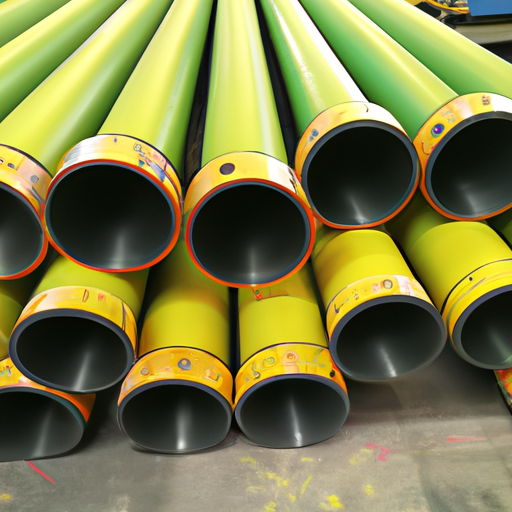 Additionally, the Diameter of the oil casing must accommodate the production Tubing that will eventually be lowered into the well. The casing must be large enough to allow for the installation of the production tubing and any necessary downhole equipment while maintaining adequate annular space for fluid movement and well intervention operations.
Furthermore, the choice of casing size is influenced by the geological conditions of the reservoir and the formation characteristics encountered during drilling. Porous formations or tHose prone to instability may require larger casing sizes to provide enhanced support and prevent well collapse or formation damage. Conversely, in more stable formations, smaller casing sizes may be sufficient, optimizing costs without compromising well integrity.
Another critical factor in casing selection is the regulatory requirements and industry standards governing well Construction and integrity. Different jurisdictions and regulatory bodies may impose minimum casing size requirements based on environmental considerations, safety standards, and well control practices. Adhering to these regulations ensures compliance and mitigates risks associated with well operations.
Moreover, the choice between using a single Casing string or multiple concentric strings (cased-hole completion) also influences casing size selection. Cased-hole completions involve sequentially installing multiple casing strings of varying diameters to isolate different zones within the wellbore. Each casing size is selected based on the specific operational and reservoir conditions encountered at each depth interval, optimizing well performance and reservoir management.
Cost considerations also play a significant role in casing size selection. Larger casing sizes generally incur higher Material and installation costs but offer enhanced durability and operational flexibility. Conversely, smaller casing sizes may be more cost-effective initially but could require additional interventions or upgrades during the well’s operational life, potentially increasing overall project costs.
In conclusion, selecting the right oil casing size requires a comprehensive evaluation of various technical, geological, regulatory, and economic factors. Engineers and drilling professionals must carefully assess the well’s depth, formation characteristics, production requirements, regulatory standards, and cost implications to make informed decisions. By choosing the optimal casing size, operators can enhance well integrity, maximize production efficiency, and mitigate risks associated with drilling and completion operations. This thoughtful approach ensures that Oil and Gas wells are constructed and maintained to the highest standards of safety, reliability, and performance, contributing to the sustainable development of energy resources worldwide.