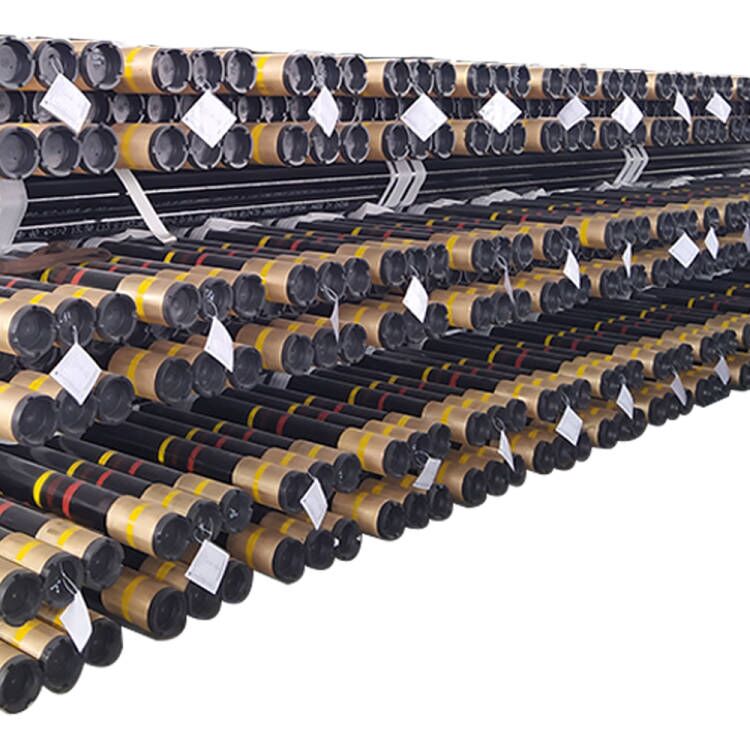
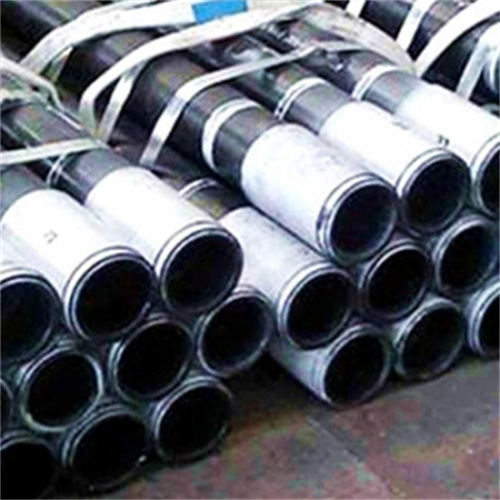
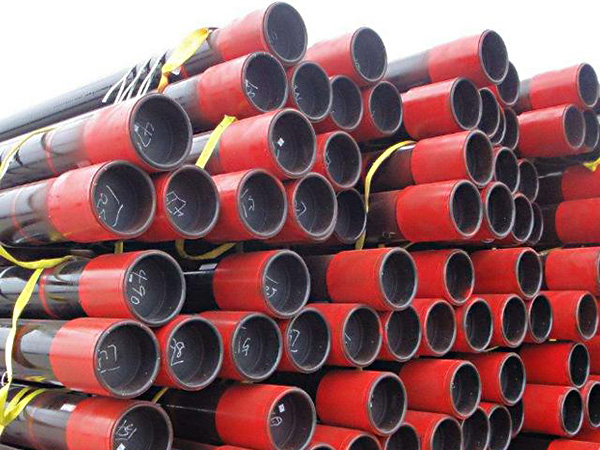
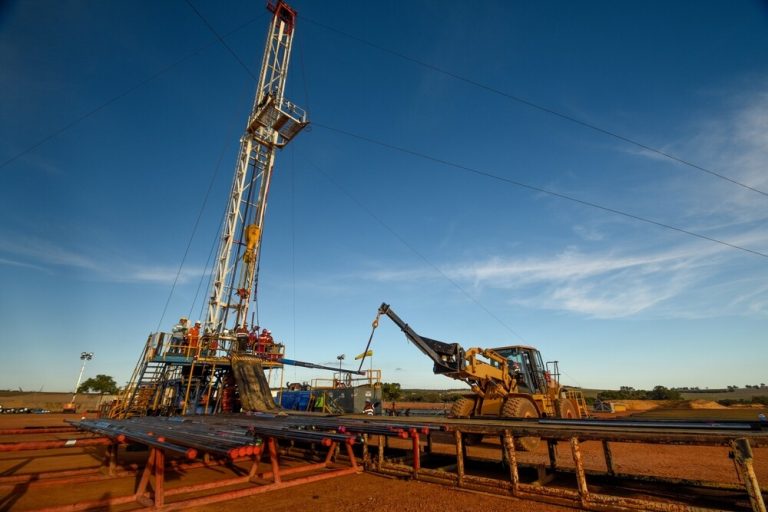
تطور تكنولوجيا أغلفة النفط في استكشاف النفط والغاز منخفض الكربون
في السنوات الأخيرة، تحول التركيز نحو الحد من الأثر البيئي لأنشطة التنقيب عن النفط والغاز. أصبحت الممارسات منخفضة الكربون أولوية رئيسية لهذه الصناعة، مما دفع الابتكار في تكنولوجيا أغلفة النفط. أحد التطورات الرئيسية في هذا المجال هو استخدام المواد المركبة في تصميم الغلاف. توفر هذه المواد مقاومة محسنة للتآكل ومتانة، مما يقلل الحاجة إلى عمليات استبدال متكررة ويقلل التأثير البيئي. . يمكن لأجهزة الاستشعار المدمجة في الغلاف توفير بيانات في الوقت الفعلي عن ظروف البئر، مما يسمح بمراقبة وصيانة أكثر كفاءة. وهذا لا يؤدي إلى تحسين الكفاءة التشغيلية فحسب، بل يقلل أيضًا من مخاطر الحوادث البيئية من خلال تمكين الكشف المبكر عن المشكلات المحتملة.
علاوة على ذلك، أدت التطورات في تقنيات التصنيع إلى إنتاج مواد أغلفة أخف وأقوى. وهذا لا يقلل من البصمة البيئية لعمليات النفط والغاز فحسب، بل يعزز أيضًا معايير السلامة من خلال تحسين سلامة هياكل الآبار. من خلال استخدام المواد وعمليات التصنيع المتقدمة، يمكن للصناعة تحقيق التوازن بين الكفاءة التشغيلية والاستدامة البيئية.
وبالنظر إلى المستقبل، فإن مستقبل غلاف النفط في أنشطة التنقيب عن النفط والغاز منخفض الكربون واعد. تركز جهود البحث والتطوير المستمرة على تعزيز أداء واستدامة مواد الغلاف. تمتلك تقنية النانو، على سبيل المثال، إمكانات كبيرة لإنشاء مواد أغلفة فائقة القوة وخفيفة الوزن يمكنها تحمل الظروف القاسية مع تقليل التأثير البيئي.
في الختام، تطور تكنولوجيا أغلفة النفط في سياق أنشطة التنقيب عن النفط والغاز منخفضة الكربون. يعكس التزام الصناعة بالاستدامة والابتكار. ومن خلال تبني مواد جديدة وتقنيات ذكية وعمليات تصنيع، تمهد الصناعة الطريق لمستقبل أكثر استدامة. مع استمرار نمو الطلب على النفط والغاز، سيكون تطوير حلول أغلفة صديقة للبيئة أمرًا ضروريًا لضمان استمرارية الصناعة على المدى الطويل.
The history of Oil Casing can be traced back to the early days of oil drilling when rudimentary methods were used to extract oil from the ground. As the demand for Oil and Gas grew, so did the need for more advanced casing technologies to access deeper reserves. The development of Seamless Steel Pipes in the early 20th century revolutionized the oil casing industry, allowing for greater depths to be reached and more efficient extraction processes.
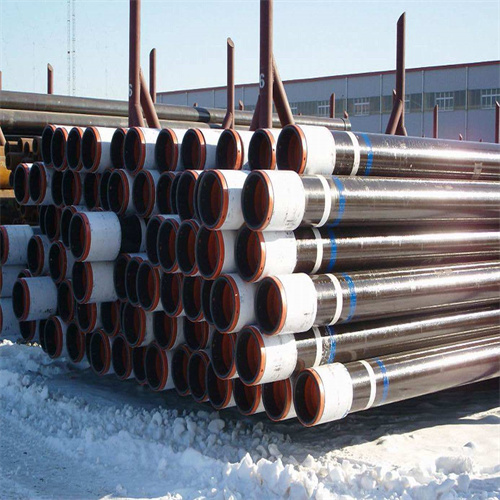 In recent years, the focus has shifted towards reducing the environmental impact of oil and gas exploration activities. Low-carbon practices have become a key priority for the industry, driving innovation in oil casing technology. One of the key developments in this area has been the use of composite Materials in casing design. These materials offer improved Corrosion resistance and durability, reducing the need for frequent replacements and minimizing environmental impact.
branch pipe Best china MakerAnother important aspect of the evolution of oil casing technology in low-carbon oil and gas exploration is the integration of smart technologies. Sensors embedded in the casing can provide real-time data on well conditions, allowing for more efficient monitoring and Maintenance. This not only improves operational efficiency but also reduces the risk of environmental incidents by enabling early detection of potential issues.
Furthermore, advancements in manufacturing techniques have led to the production of lighter and stronger casing materials. This not only reduces the environmental footprint of oil and gas operations but also enhances safety standards by improving the integrity of well structures. By using advanced materials and manufacturing processes, the industry can achieve a balance between operational efficiency and environmental sustainability.
Looking ahead, the future of oil casing in low-carbon oil and gas exploration activities is promising. ContiNued research and development efforts are focused on further enhancing the performance and sustainability of casing materials. Nanotechnology, for example, holds great potential for creating ultra-strong and lightWeight casing materials that can withstand extreme conditions while minimizing environmental impact.
In conclusion, the evolution of oil casing technology in the context of low-carbon oil and gas exploration activities reflects the industry’s commitment to sustainability and innovation. By embracing new materials, smart technologies, and manufacturing processes, the industry is paving the way for a more sustainable future. As the demand for oil and gas continues to grow, the development of environmentally friendly casing solutions will be essential in ensuring the long-term viability of the industry.