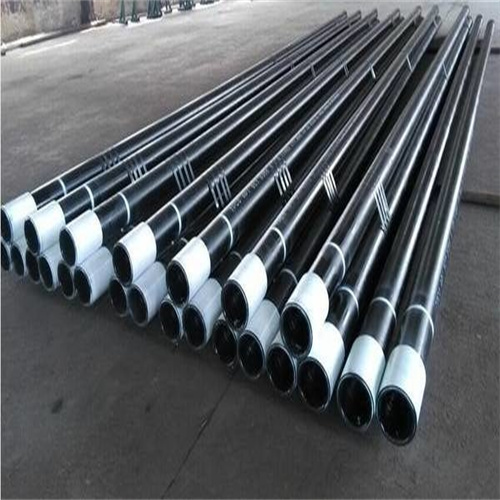
Quality Standards in Casing Pipe manufacturing:
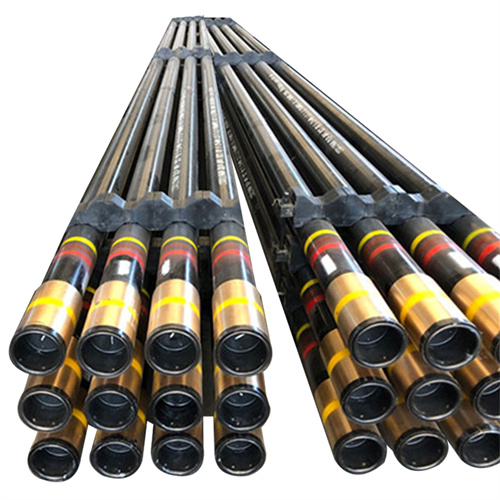
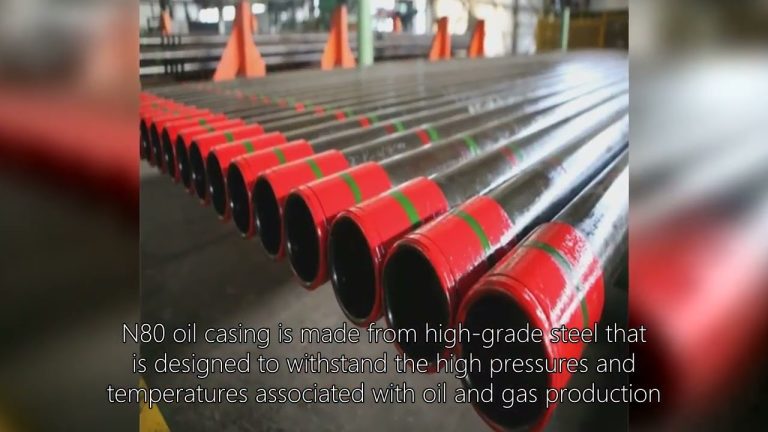
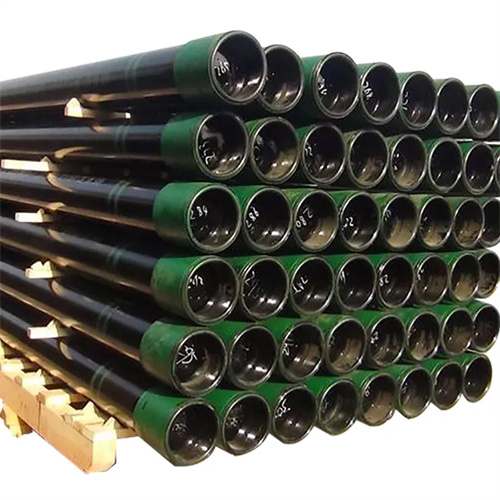
Casing Pipes play a crucial role in various industries, including Oil and Gas, Construction, and infrastructure development. As such, the quality standards in casing pipe manufacturing are of utmost importance to ensure the safety, efficiency, and longevity of the structures they support. Suppliers and Manufacturers of casing Pipes must adhere to stringent guidelines and regulations to meet the industry’s demands for high-quality products.
One of the primary quality standards in casing pipe manufacturing is Material selection. Casing pipes are typically made from materials such as Steel, PVC, or fiberglass, with each material offering different strengths and characteristics. steel casing pipes, for example, are known for their durability and resistance to corrosion, making them ideal for demanding applications in harsh environments. Manufacturers must carefully select the appropriate material based on the specific requirements of the project to ensure the longevity and performance of the casing pipes.
In addition to material selection, the manufacturing process itself plays a critical role in determining the quality of casing pipes. Manufacturers must follow strict procedures to ensure that the pipes are produced to the highest standards. This includes precise measurements, accurate welding techniques, and thorough quality control inspections at every stage of the manufacturing process. By adhering to these procedures, manufacturers can guarantee that the casing pipes meet the required specifications and performance standards.
Furthermore, quality standards in casing pipe manufacturing also encompass testing and certification processes. Casing pipes must undergo rigorous testing to verify their strength, durability, and performance characteristics. This may include pressure testing, Non-destructive testing, and dimensional inspections to ensure that the pipes meet the required standards. Once the pipes have passed the necessary tests, they are certified to indicate that they comply with industry regulations and quality standards.
 Moreover, suppliers and manufacturers of casing pipes must also consider environmental and safety standards in their manufacturing processes. It is essential to minimize the environmental impact of production by implementing sustainable practices and complying with regulations related to waste disposal and emissions. Additionally, ensuring the safety of workers and end-users is paramount, requiring adherence to safety protocols and guidelines throughout the manufacturing process.
In conclusion, quality standards in casing pipe manufacturing are essential to ensure the reliability, durability, and performance of these critical components. Suppliers and manufacturers must prioritize material selection, manufacturing processes, testing procedures, and environmental and safety standards to deliver high-quality casing pipes that meet the industry’s stringent requirements. By upholding these standards, manufacturers can build trust with their customers and contribute to the overall success and sustainability of the industries they serve.
– Discuss the importance of adhering to international quality standards in the production of casing pipes
Casing pipes play a crucial role in various industries, including oil and gas, construction, and infrastructure development. As essential components of well construction and borehole drilling, casing pipes provide structural support, prevent contamination of groundwater, and facilitate the extraction of resources. Given their significance, it is imperative for casing pipe Suppliers and manufacturers to adhere to international quality standards to ensure the reliability, durability, and safety of these critical components.
Compliance with international quality standards, such as tHose set by organizations like the American Petroleum Institute ( API) and the International Organization for Standardization (ISO), is essential in the production of casing pipes. These standards establish guidelines for material composition, manufacturing processes, dimensional accuracy, and performance requirements, ensuring that casing pipes meet stringent criteria for strength, Corrosion resistance, and operational efficiency.
By adhering to international quality standards, casing pipe suppliers and manufacturers demonstrate their commitment to producing high-quality products that meet industry specifications and regulatory requirements. Consistent adherence to these standards helps build trust with customers, instilling confidence in the reliability and performance of the casing pipes supplied.
Furthermore, compliance with international quality standards enhances product consistency and uniformity, enabling seamless integration of casing pipes into various applications and projects. Standardized manufacturing processes and quality control measures ensure that each casing pipe meets the specified requirements, resulting in a uniform product that performs reliably under diverse operating conditions.
In addition to meeting technical specifications, adherence to international quality standards also underscores a commitment to environmental sustainability and safety. Casing pipes that comply with stringent quality standards are less prone to failure, Leakage, or environmental contamination, reducing the risk of environmental harm and ensuring the integrity of wellbore operations.
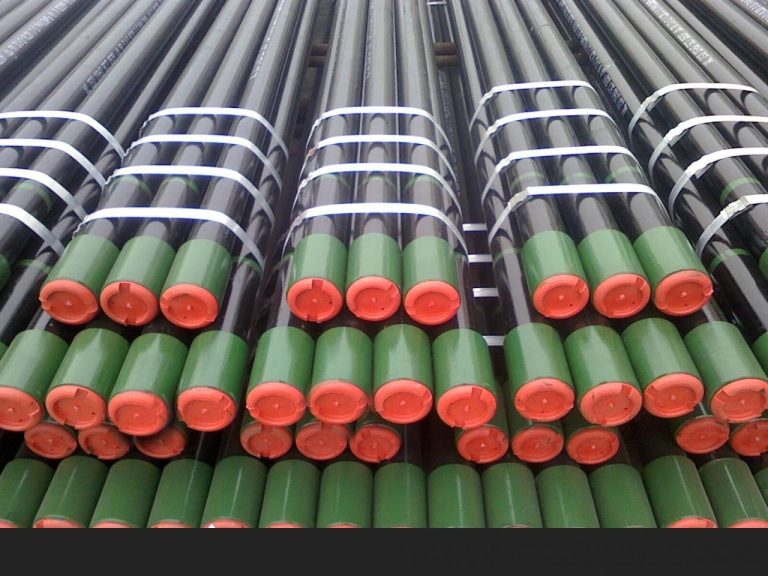
api 5ct l80-1 CASING Makers
Moreover, adherence to international quality standards fosters innovation and continuous improvement in the design and manufacturing of casing pipes. By benchmarking against established standards and best practices, suppliers and manufacturers can identify areas for enhancement, implement technological advancements, and optimize production processes to deliver superior quality casing pipes that meet evolving industry demands.
In conclusion, the importance of adhering to international quality standards in the production of casing pipes cannot be overstated. By upholding these standards, suppliers and manufacturers uphold the integrity, reliability, and safety of their products, earning the trust of customers, regulators, and stakeholders. Through a commitment to quality excellence, the casing pipe industry can contiNue to meet the growing demands of diverse sectors while ensuring sustainable and responsible practices in well construction and resource extraction.