Purpose:
Pipes and Casings are essential components in various industries, including Oil and Gas, Construction, and water supply. While both serve the purpose of transporting fluids or protecting the wellbore, they have distinct Differences in terms of design, function, and application.
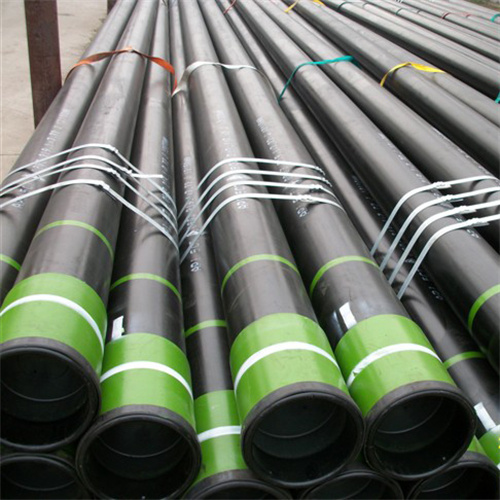
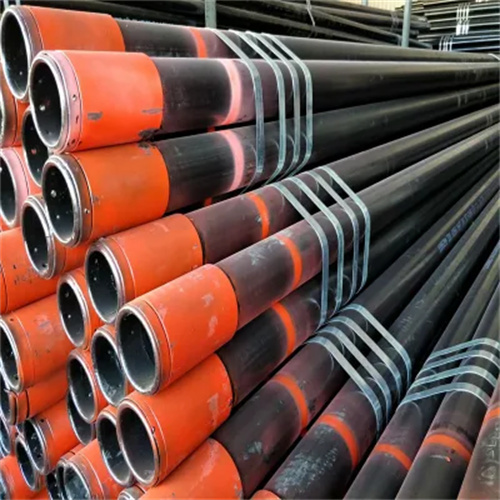
API 5ct K55 CASING Best chinese Supplier
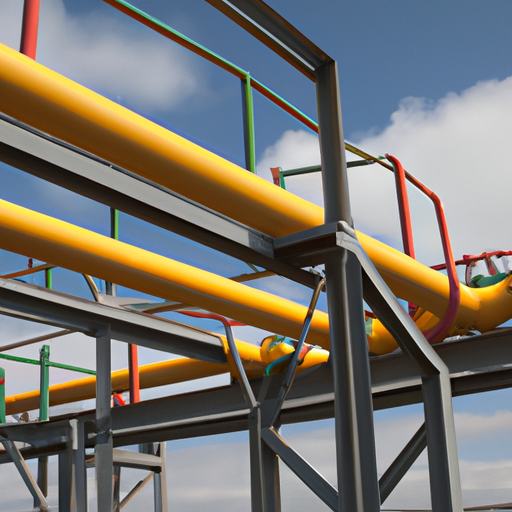
Pipes are cylindrical hollow structures typically made of metal, plastic, or concrete. They are used to transport fluids such as water, oil, gas, or chemicals from one point to another. Pipes come in various sizes, Materials, and configurations to suit different requirements. For instance, Steel Pipes are commonly used in industrial applications due to their strength and durability, while PVC pipes are preferred for water supply systems because of their Corrosion resistance and affordability.
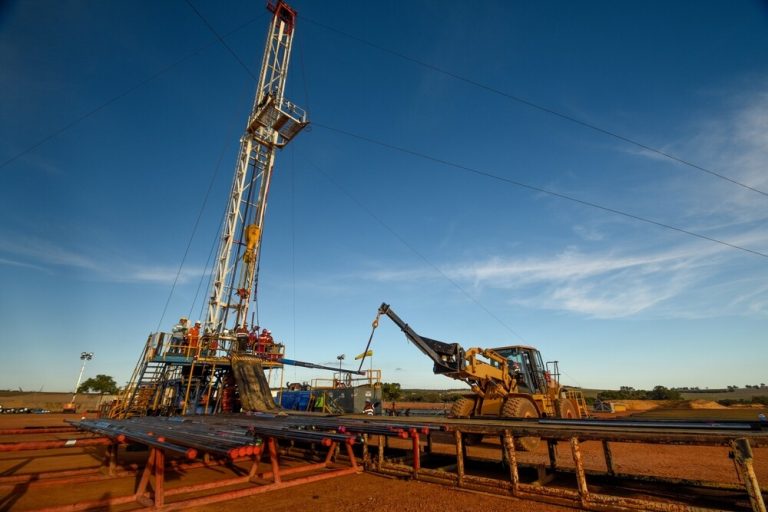
On the other hand, casings are protective barriers that surround the wellbore in drilling operations. They are usually larger in Diameter than pipes and are designed to prevent the collapse of the wellbore, protect the surrounding environment from contamination, and provide structural support to the well. Casings are typically made of steel and are cemented into place to ensure stability and integrity.

One of the key differences between pipes and casings lies in their primary function. Pipes are primarily used for fluid transportation, while casings are primarily used for wellbore protection and integrity. Pipes are designed to withstand internal pressure from the fluids they carry, while casings are designed to withstand external forces such as rock formations and ground movement.
Another difference is in their construction and installation. Pipes are usually connected end-to-end using Couplings or welding to form a continuous pipeline. In contrast, casings are installed sequentially during the drilling process, with each Casing string placed inside the previous one to create a secure barrier around the wellbore.
In terms of application, pipes are used in a wide range of industries for fluid conveyance, heating and cooling systems, and structural support. Casings, on the other hand, are primarily used in oil and gas drilling operations to maintain well integrity, prevent fluid migration, and protect the environment.
While both pipes and casings play crucial roles in various industries, understanding their differences is essential for selecting the right component for a specific application. Whether it’s transporting fluids over long distances or safeguarding the integrity of a wellbore, choosing the appropriate pipe or casing can make a significant impact on the efficiency and safety of the operation.
In conclusion, pipes and casings are fundamental elements in fluid transportation and wellbore protection. While pipes focus on conveying fluids from one point to another, casings prioritize safeguarding the integrity of the wellbore during drilling operations. By recognizing the distinct roles and characteristics of pipes and casings, industries can make informed decisions to ensure the success and sustainability of their projects.