Importance Of Upgrading Oil Casing production Techniques
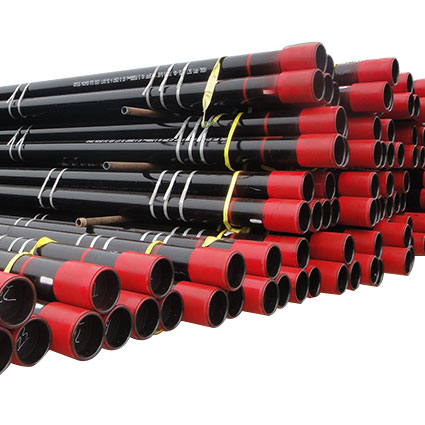
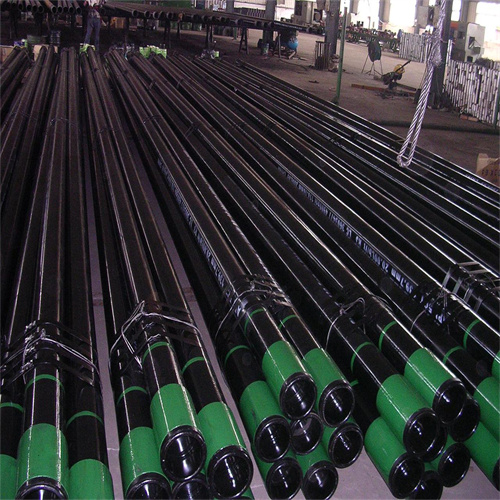
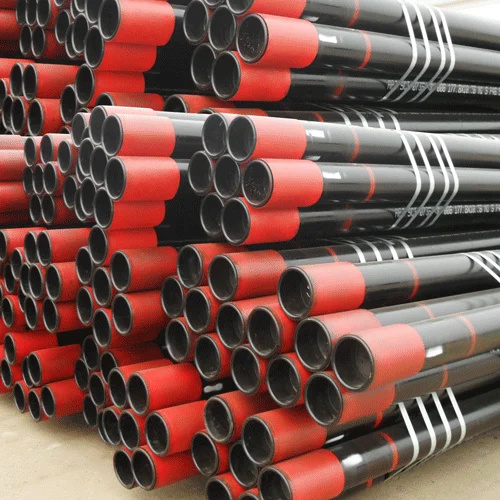
In the ever-evolving landscape of the Oil and Gas industry, the importance of upgrading oil casing production techniques cannot be overstated. As production enterprises strive to enhance their operational efficiency and maintain competitiveness, the adoption of advanced casing production methods emerges as a critical factor. The oil casing serves as a vital component in the drilling process, providing structural integrity and ensuring the safety of the wellbore. Consequently, the enhancement of production techniques directly impacts the overall performance and reliability of oil extraction operations.
One of the primary reasons for upgrading oil casing production techniques is the increasing demand for oil and gas resources. As global energy consumption contiNues to rise, production enterprises are under pressure to maximize output while minimizing costs. Traditional casing production methods may no longer suffice in meeting these demands, leading to the necessity for innovative approaches. By implementing modern techniques, such as automated manufacturing processes and advanced Materials, Companies can significantly improve the quality and durability of oil casing products. This not only enhances the efficiency of the drilling process but also reduces the likelihood of costly failures and downtime.
Moreover, the environmental considerations surrounding oil production have become increasingly prominent. With growing awareness of climate change and the need for sustainable practices, production enterprises are compelled to adopt techniques that minimize their ecological footprint. Upgrading oil casing production methods can contribute to this goal by utilizing environmentally friendly materials and processes. For instance, the development of lightWeight and corrosion-resistant casing options can lead to reduced energy consumption during transportation and installation, thereby lowering greenhouse gas emissions. Additionally, improved casing techniques can enhance the overall safety of drilling operations, further mitigating environmental risks.
In addition to environmental benefits, the enhancement of oil casing production techniques can lead to significant economic advantages. By investing in advanced technologies, production enterprises can achieve greater operational efficiency, resulting in reduced production costs. For example, the implementation of precision manufacturing techniques can minimize material waste and improve yield, ultimately leading to higher profit margins. Furthermore, the ability to produce high-quality casing products that meet stringent industry standards can open new market opportunities, allowing companies to expand their customer base and increase revenue streams.
Transitioning to upgraded oil casing production techniques also fosters a culture of innovation within production enterprises. As companies embrace new technologies and methodologies, they encourage a mindset of continuous improvement among their workforce. This shift not only enhances employee engagement but also drives the development of new skills and expertise, positioning the organization for long-term success in a competitive market. By prioritizing the enhancement of production competencies, enterprises can cultivate a workforce that is adept at navigating the complexities of modern oil production.
4 in Well CasingIn conclusion, the importance of upgrading oil casing production techniques is multifaceted, encompassing operational efficiency, environmental sustainability, economic benefits, and workforce development. As the oil and gas industry faces increasing challenges and opportunities, production enterprises must recognize the value of investing in advanced casing methods. By doing so, they can not only enhance their core competencies but also contribute to a more sustainable and prosperous future for the industry as a whole. Embracing these advancements will ultimately lead to improved performance, greater safety, and a more resilient operational framework, ensuring that production enterprises remain at the forefront of the energy sector.
Strategies For Enhancing Core Competencies In Oil Production Enterprises
In the competitive landscape of oil production, enhancing core competencies is essential for enterprises aiming to improve efficiency and profitability. One of the primary strategies for achieving this enhancement involves investing in advanced technology and equipment. By adopting state-of-the-art drilling techniques and production technologies, companies can significantly increase their operational efficiency. For instance, the integration of automated drilling systems not only reduces human error but also optimizes the drilling process, leading to faster and more cost-effective extraction of oil. Furthermore, the implementation of real-time data analytics allows enterprises to monitor production metrics continuously, enabling them to make informed decisions that enhance productivity.
In addition to technological advancements, workforce development plays a crucial role in strengthening core competencies. Training programs that focus on both technical skills and safety protocols are vital for ensuring that employees are well-equipped to handle the complexities of modern oil production. By fostering a culture of continuous learning, companies can empower their workforce to adapt to new challenges and innovations in the industry. Moreover, investing in leadership development initiatives can cultivate a strong management team capable of driving strategic initiatives and fostering collaboration across departments.
Another significant strategy for enhancing core competencies is the establishment of strategic partnerships and collaborations. By forming alliances with other industry players, research institutions, and technology providers, oil production enterprises can leverage shared resources and expertise. These partnerships can facilitate access to cutting-edge research and development, enabling companies to stay ahead of industry trends and technological advancements. Additionally, collaborative efforts can lead to the sharing of best practices, which can be instrumental in improving operational processes and reducing costs.
Moreover, a focus on sustainability and environmental responsibility can also enhance core competencies in oil production enterprises. As the industry faces increasing scrutiny regarding its environmental impact, companies that prioritize sustainable practices can differentiate themselves in the market. Implementing environmentally friendly technologies and practices not only helps in compliance with regulations but also appeals to a growing segment of environmentally conscious consumers and investors. By integrating sustainability into their core operations, enterprises can enhance their reputation and build long-term value.
Furthermore, enhancing core competencies requires a robust approach to risk management. The oil production sector is inherently volatile, influenced by fluctuating market conditions and geopolitical factors. Therefore, developing a comprehensive risk management framework is essential for identifying potential threats and mitigating their impact. This framework should encompass financial, operational, and reputational risks, allowing companies to navigate uncertainties effectively. By proactively addressing risks, enterprises can safeguard their assets and ensure continuity in production.
 Lastly, fostering innovation within the organization is paramount for enhancing core competencies. Encouraging a culture of creativity and experimentation can lead to the development of new processes, products, and services that drive growth. Companies should create platforms for employees to share ideas and collaborate on innovative projects, thereby harnessing the collective intelligence of their workforce. By prioritizing innovation, oil production enterprises can not only improve their operational efficiency but also position themselves as leaders in a r APIdly evolving industry.
In conclusion, enhancing core competencies in oil production enterprises requires a multifaceted approach that encompasses technological advancements, workforce development, strategic partnerships, sustainability, risk management, and innovation. By implementing these strategies, companies can improve their operational efficiency, adapt to market changes, and ultimately achieve long-term success in the competitive oil production landscape.