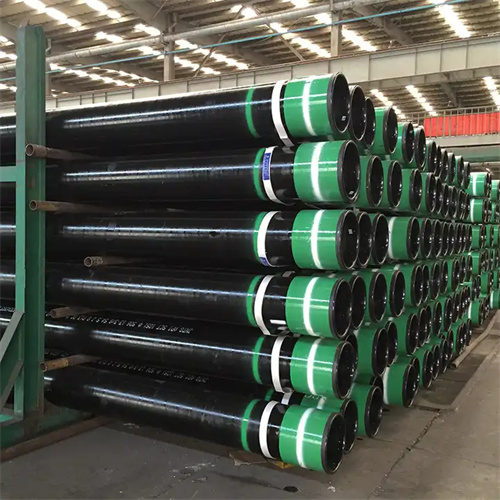
Anti-corrosion coatings for Oil Casing: innovations and Applications
The Oil and Gas industry faces numerous challenges, one of the most significant being the corrosion of oil casing. Corrosion not only compromises the structural integrity of casing but also poses environmental risks and economic losses. To combat this pervasive issue, the development and application of anti-corrosion coatings have become paramount. Innovations in coating technologies have led to the emergence of various solutions designed to enhance the longevity and reliability of oil casing in harsh environments.
One of the most notable advancements in anti-corrosion coatings is the use of advanced polymer-based Materials. These coatings offer exceptional resistance to corrosive agents, including saltwater, acids, and other chemicals commonly found in oil extraction processes. The application of these polymer coatings creates a protective barrier that prevents direct contact between the casing material and corrosive substances. Furthermore, the flexibility of these coatings allows them to withstand the mechanical stresses associated with drilling and production activities, thereby reducing the likelihood of coating failure.
 In addition to polymer-based solutions, the integration of nanotechnology into anti-corrosion coatings has opened new aveNues for enhancing performance. Nanoparticles, when incorporated into traditional coating materials, can significantly improve their protective properties. For instance, the inclusion of zinc oxide or titanium dioxide nanoparticles can enhance the coating’s resistance to UV radiation and improve its overall durability. This innovation not only extends the lifespan of the coating but also contributes to the sustainability of oil casing operations by reducing the frequency of Maintenance and replacement.
Moreover, the application of smart coatings represents a groundbreaking development in the field of anti-corrosion technologies. These coatings are designed to monitor their own condition and provide real-time feedback on the integrity of the casing. By incorporating sensors that detect corrosion or coating degradation, operators can take proactive measures to address potential issues before they escalate. This predictive maintenance approach not only enhances safety but also optimizes operational efficiency, ultimately leading to cost savings for oil and gas Companies.
API 5ct J55 Tubing Best china Manufacturers
The effectiveness of anti-corrosion coatings is further enhanced by surface preparation techniques. Proper surface preparation is crucial for ensuring strong adhesion between the coating and the casing material. Techniques such as abrasive blasting, chemical cleaning, and surface profiling are employed to create an optimal surface for coating application. By ensuring that the surface is free from contaminants and imperfections, the longevity and performance of the anti-corrosion coating are significantly improved.
In terms of application methods, advancements in spray technology have revolutionized the way coatings are applied to oil casing. high-velocity oxygen fuel (HVOF) spraying and thermal spray techniques allow for uniform coating distribution, ensuring comprehensive coverage of the casing surface. These methods not only enhance the efficiency of the application process but also contribute to the overall effectiveness of the anti-corrosion solution.
As the oil and gas industry continues to evolve, the importance of anti-corrosion coatings cannot be overstated. The innovations in coating materials, the integration of nanotechnology, the development of smart coatings, and advancements in application techniques all contribute to a more robust and reliable oil casing infrastructure. By investing in these technologies, operators can mitigate the risks associated with corrosion, ensuring the safety and sustainability of their operations. Ultimately, the ongoing research and development in anti-corrosion coatings will play a critical role in shaping the future of oil and gas extraction, paving the way for more resilient and efficient practices in the industry.
Advanced Technologies in Oil Casing Corrosion Prevention and Monitoring
In the oil and gas industry, the integrity of oil casing is paramount, as it serves as a barrier to protect the surrounding environment from contamination and to ensure the safe extraction of hydrocarbons. Corrosion poses a significant threat to the longevity and reliability of oil casing, necessitating the development and implementation of advanced technologies for corrosion prevention and monitoring. These technologies not only enhance the durability of oil casing but also contribute to the overall efficiency and safety of oil extraction operations.
One of the most promising advancements in corrosion prevention is the use of advanced coatings. These coatings are designed to provide a protective layer that can withstand harsh environmental conditions, including exposure to corrosive substances such as hydrogen sulfide and carbon dioxide. Modern coatings are often formulated with nanotechnology, which enhances their adhesion and resistance to wear and tear. By applying these advanced coatings to oil casing, operators can significantly reduce the rate of corrosion, thereby extending the lifespan of the casing and minimizing the need for costly replacements.
In addition to protective coatings, cathodic protection systems have emerged as a vital technology in the fight against corrosion. This method involves the application of a small electrical current to the oil casing, which counteracts the electrochemical reactions that lead to corrosion. By using sacrificial anodes or impressed current systems, operators can effectively protect the casing from corrosion, particularly in environments where traditional protective measures may fall short. The integration of cathodic protection with real-time monitoring systems allows for continuous assessment of the casing’s condition, enabling timely interventions when corrosion is detected.
Moreover, the advent of smart technologies has revolutionized the monitoring of oil casing integrity. Sensors and data analytics play a crucial role in this domain, as they provide real-time information on the condition of the casing. These sensors can detect changes in temperature, pressure, and corrosion rates, allowing operators to make informed decisions regarding maintenance and Repairs. The data collected can be analyzed using advanced algorithms to predict potential failure points, thereby facilitating proactive measures to mitigate risks. This shift from reactive to proactive maintenance not only enhances safety but also optimizes operational efficiency.
Furthermore, the use of advanced materials in the Construction of oil casing has gained traction as a means of combating corrosion. High-performance alloys and composite materials are being developed to withstand extreme conditions and resist corrosion more effectively than traditional materials. These innovative materials not only offer enhanced durability but also reduce the overall Weight of the casing, which can lead to cost savings during transportation and installation.
In conclusion, the oil and gas industry is witnessing a significant transformation in the approach to corrosion prevention and monitoring of oil casing. Through the implementation of advanced coatings, cathodic protection systems, smart monitoring technologies, and the use of innovative materials, operators are better equipped to address the challenges posed by corrosion. These advancements not only enhance the longevity and reliability of oil casing but also contribute to safer and more efficient oil extraction processes. As the industry continues to evolve, the ongoing research and development of these technologies will play a critical role in ensuring the sustainability and safety of oil and gas operations worldwide.