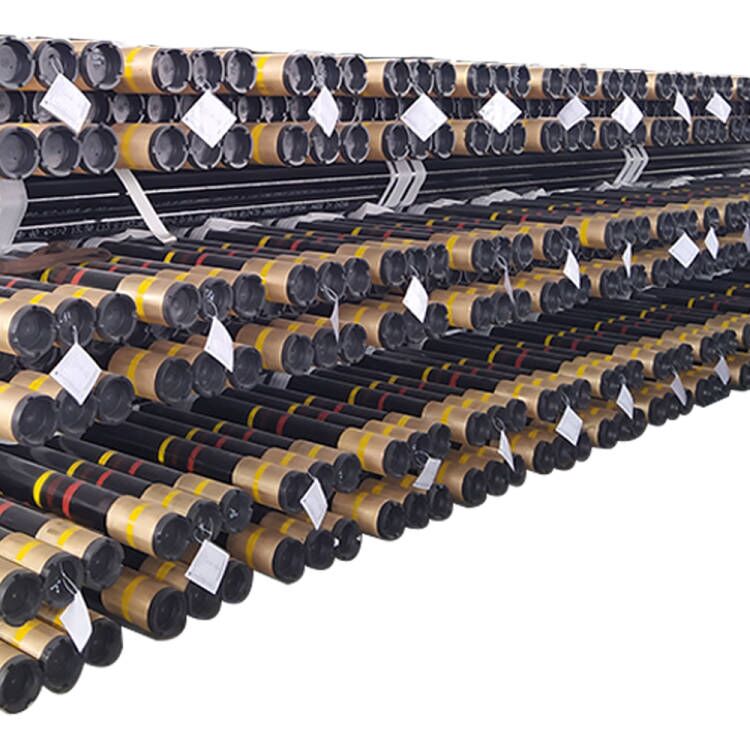
Price Trends and Market Analysis for API 5ct N80, l80, P110 Seamless Steel Carbon Casing and Oil Pipes
The price estimation of API 5CT N80, L80, and P110 seamless steel carbon casing and oil Pipes is a critical aspect of the Oil and Gas industry, reflecting the dynamics of supply and demand, production costs, and market trends. As the global energy landscape evolves, understanding the price trends and market analysis for these specific grades of casing and oil pipes becomes essential for stakeholders, including Manufacturers, Suppliers, and end-users. The API 5CT specification outlines the requirements for casing and Tubing used in oil and gas wells, with N80, L80, and P110 representing different yield strengths and Material properties, which directly influence their pricing.
In recent years, the market for seamless steel carbon casing and oil pipes has experienced fluctuations driven by various factors. One of the primary influences on pricing is the global demand for oil and gas, which is closely tied to economic conditions. When economies are thriving, the demand for energy increases, leading to higher production rates and, consequently, a greater need for casing and tubing. Conversely, during economic downturns, demand may decrease, resulting in lower prices. This cyclical nature of the oil and gas industry means that price trends for API 5CT N80, L80, and P110 pipes can vary significantly over time.
Another critical factor affecting pricing is the cost of raw materials, particularly steel. The prices of steel and other alloys used in the manufacturing of these pipes are subject to market fluctuations, influenced by global supply chains, tariffs, and trade policies. For instance, when steel prices rise due to increased demand or supply chain disruptions, manufacturers may pass these costs onto consumers, leading to higher prices for API 5CT products. Additionally, the production processes involved in creating Seamless Pipes, which require advanced technology and skilled labor, also contribute to the overall cost structure.
Moreover, geopolitical factors play a significant role in shaping the market for oil and gas products. Political instability in oil-producing regions can lead to supply disruptions, which in turn can drive prices up. For example, sanctions on major oil-producing countries or conflicts in the Middle East can create uncertainty in the market, prompting buyers to secure supplies at higher prices. This volatility underscores the importance of market analysis for stakeholders who need to navigate these complexities effectively.
Furthermore, technological advancements in drilling and extraction methods have also influenced the demand for specific grades of casing and tubing. As operators seek to optimize production and reduce costs, there is a growing preference for higher-strength materials like P110, which can withstand greater pressures and harsher environments. This shift in preference can lead to increased demand for certain grades, impacting their pricing relative to others like N80 and L80.
In conclusion, the price estimation of API 5CT N80, L80, and P110 seamless steel carbon casing and oil pipes is a multifaceted issue influenced by a variety of factors, including global demand, raw material costs, geopolitical dynamics, and technological advancements. As the market contiNues to evolve, stakeholders must remain vigilant and informed about these trends to make strategic decisions. Understanding the interplay of these elements will not only aid in accurate price estimation but also enhance the ability to anticipate future market movements, ensuring that businesses can adapt and thrive in a competitive landscape.
Factors Influencing the Price Estimation of API 5CT Seamless Steel Carbon Casing and Oil Pipes
The price estimation of API 5CT N80, L80, and P110 seamless steel carbon casing and oil pipes is influenced by a multitude of factors that intertwine to create a complex pricing landscape. Understanding these factors is essential for stakeholders in the oil and gas industry, as they directly impact procurement decisions and project budgets. One of the primary factors affecting the price is the raw material cost. The production of Seamless Steel Pipes requires high-quality steel, and fluctuations in the prices of iron ore, scrap metal, and other alloying elements can significantly alter the overall cost of the final product. As global demand for steel varies, so too does the pricing, which can lead to unpredictable changes in the cost of API 5CT Pipes.
In addition to raw material costs, the manufacturing process plays a crucial role in determining the price of these pipes. The production of seamless steel pipes involves several stages, including heating, piercing, elongation, and finishing. Each of these stages requires specialized equipment and skilled labor, which adds to the overall production cost. Furthermore, advancements in technology can lead to variations in manufacturing efficiency, impacting the cost structure. For instance, the adoption of automated processes may reduce labor costs but require significant initial investment in machinery, which can influence pricing strategies.
Galvanized ASTM A106/ API 5L/ ASTM A53 Seamless Steel Pipes and Tubes for Oil and Gas Pipe LineAnother significant factor is the regulatory environment. API 5CT specifications are governed by industry standards that ensure the quality and safety of the pipes used in oil and gas applications. Compliance with these standards often necessitates rigorous testing and certification processes, which can incur additional costs. Moreover, changes in regulations, such as environmental policies or safety requirements, can lead to increased production costs, thereby affecting the pricing of seamless steel carbon casing and oil pipes.
Market demand and supply dynamics also play a pivotal role in price estimation. The oil and gas industry is subject to cyclical fluctuations, influenced by factors such as geopolitical events, changes in oil prices, and shifts in energy consumption patterns. When demand for oil rises, the need for casing and oil pipes increases, leading to higher prices. Conversely, during periods of low demand, prices may decrease as manufacturers seek to maintain sales volumes. Additionally, the availability of alternative materials or technologies can impact the demand for traditional seamless steel pipes, further complicating the pricing landscape.
Transportation and logistics are additional factors that cannot be overlooked. The cost of transporting these heavy and bulky products from manufacturing facilities to end-users can vary significantly based on distance, mode of transport, and fuel prices. Any increase in transportation costs will inevitably be reflected in the final price of the pipes. Furthermore, supply chain disruptions, whether due to natural disasters, political instability, or global pandemics, can lead to delays and increased costs, further complicating price estimation.
Lastly, the competitive landscape within the industry also influences pricing strategies. Manufacturers must consider their competitors’ pricing, market positioning, and product offerings when determining their own prices. This competitive pressure can lead to price wars, where Companies may lower their prices to gain market share, impacting overall profitability. In conclusion, the price estimation of API 5CT N80, L80, and P110 seamless steel carbon casing and oil pipes is a multifaceted process influenced by raw material costs, manufacturing processes, regulatory requirements, market dynamics, transportation logistics, and competitive factors. Understanding these elements is crucial for stakeholders aiming to navigate the complexities of pricing in this vital sector of the oil and gas industry.
Comparative Cost Analysis: API 5CT N80, L80, P110 Seamless Steel Carbon Casing and Oil Pipes
The price estimation of API 5CT N80, L80, and P110 seamless steel carbon casing and oil pipes is a critical aspect of the oil and gas industry, as these materials are essential for the extraction and transportation of hydrocarbons. Understanding the comparative cost analysis of these grades is vital for operators and procurement managers who aim to optimize their budgets while ensuring the integrity and safety of their operations. API 5CT is a specification that outlines the requirements for casing and tubing used in oil and gas wells, and the N80, L80, and P110 grades represent different strength levels and material properties, which directly influence their pricing.
To begin with, the N80 grade is known for its moderate strength and is often used in applications where the risk of corrosion is lower. This grade is typically less expensive than its counterparts, making it an attractive option for operators looking to minimize costs. However, while the initial purchase price may be lower, it is essential to consider the long-term implications of using N80 pipes, particularly in environments where higher pressures or corrosive substances are present. In such cases, the potential for increased Maintenance costs or premature failure could offset the initial savings.
In contrast, the L80 grade offers enhanced strength and is designed to withstand more demanding conditions. This grade is often utilized in environments where the risk of corrosion is higher, as it typically includes additional alloying elements that improve its resistance to corrosive agents. Consequently, the price of L80 pipes is generally higher than that of N80 pipes. However, the investment in L80 may prove to be more economical in the long run, as the durability and reliability of these pipes can lead to reduced maintenance costs and extended service life. Therefore, when conducting a comparative cost analysis, it is crucial to weigh the upfront costs against the potential long-term savings associated with using higher-grade materials.
Moving on to the P110 grade, this represents the highest strength level among the three grades discussed. P110 pipes are engineered for high-pressure applications and are often employed in deep wells or in regions with extreme environmental conditions. As a result, the cost of P110 pipes is typically the highest among the three grades. While the initial investment may be significant, the enhanced performance characteristics of P110 pipes can justify the expense, particularly in high-stakes operations where failure is not an option. Operators must consider the specific requirements of their projects when deciding whether the additional cost of P110 pipes is warranted.
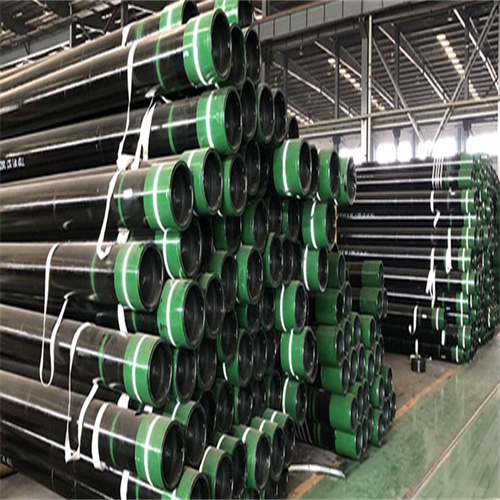 In summary, the comparative cost analysis of API 5CT N80, L80, and P110 seamless steel carbon casing and oil pipes reveals a complex interplay between initial costs and long-term value. While N80 pipes may offer a lower upfront price, the potential for increased maintenance and replacement costs must be factored into the overall equation. On the other hand, L80 and P110 pipes, while more expensive initially, may provide greater reliability and lower total cost of ownership over time. Ultimately, the decision regarding which grade to utilize should be based on a thorough assessment of the specific operational conditions, budget constraints, and long-term goals of the project. By carefully considering these factors, operators can make informed decisions that align with their financial and operational objectives, ensuring the successful execution of their oil and gas projects.