Benefits of Using Steel Tube Stock in Construction Projects
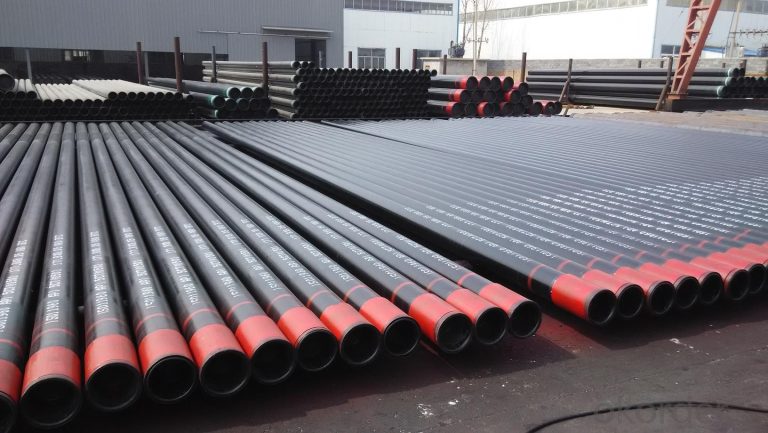
Steel tube stock plays a pivotal role in modern construction projects, offering a myriad of benefits that make it a preferred choice among engineers and architects alike. From structural integrity to versatility in design, Steel Tubes stand out as a cornerstone Material in building robust and sustainable structures.
Stainless Steel Tubing
One of the primary advantages of utilizing steel tube stock is its inherent strength and durability. Steel, known for its high tensile strength and resistance to external forces, provides structural stability crucial for constructing buildings that can withstand environmental pressures and heavy loads over time. This strength-to-Weight ratio is particularly advantageous in tall buildings and bridges where minimizing weight without compromising strength is essential.
Moreover, steel tube stock offers exceptional versatility in design. Unlike traditional building materials, steel tubes can be fabricated into various shapes and sizes, enabling architects to realize complex and innovative designs. This flexibility allows for the creation of sleek, modern structures as well as intricate frameworks that support unique architectural features. The ability to customize steel tubes to specific project requirements enhances the aesthetic appeal and functional efficiency of construction projects.

In addition to its structural and design advantages, steel tube stock is prized for its sustainability and environmental benefits. Steel is widely recognized for being recyclable, with a high percentage of steel used in construction being reclaimed and reused. This reduces the demand for new raw materials and minimizes the carbon footprint associated with manufacturing processes. Furthermore, steel’s longevity and durability contribute to the overall sustainability of buildings by extending their lifecycle and reducing Maintenance and replacement costs.
Another critical aspect of steel tube stock is its ease of installation and assembly. Steel tubes are prefabricated off-site to precise specifications, allowing for quick and efficient on-site assembly. This streamlined construction process not only accelerates project timelines but also reduces labor costs and minimizes disruptions to surrounding areas. The predictability and reliability of steel tubes in construction ensure consistency in quality and performance across diverse building applications.
Furthermore, steel tube stock offers exceptional resistance to corrosion and other environmental factors, ensuring long-term structural integrity even in challenging climates. This durability makes steel tubes an ideal choice for projects located in coastal areas or regions prone to severe weather conditions. By maintaining their strength and appearance over time, steel tubes contribute to the overall resilience and safety of constructed environments.
In conclusion, the benefits of using steel tube stock in construction projects are manifold and underscore its status as a preferred material for modern building applications. From its unparalleled strength and versatility in design to its sustainability and ease of installation, steel tubes exemplify innovation and reliability in structural engineering. As the construction industry contiNues to evolve, steel tube stock remains a steadfast choice for creating durable, sustainable, and aesthetically pleasing buildings that meet the demands of today’s urban landscapes.
How to choose the Right Steel Tube Stock for Your DIY Projects
Steel Tube Stock: A Guide to Choosing the Right Material for DIY Projects
Steel tube stock is a versatile material that finds widespread use in various do-it-yourself (DIY) projects, from constructing furniture to creating frameworks for structures. Selecting the appropriate steel tube for your project involves considering several key factors that influence its performance and suitability. This guide aims to provide clarity on these considerations, helping you make informed decisions for your DIY endeavors.
When embarking on a DIY project that involves steel tubes, the first crucial decision is choosing the right type of steel. Steel tubes are typically available in a range of types, each with distinct properties that determine their strength, durability, and suitability for different applications. Common types include Carbon steel, stainless steel, and alloy steel. Carbon steel, known for its affordability and strength, is ideal for general-purpose projects where Corrosion resistance is not a primary concern. On the other hand, stainless steel offers excellent corrosion resistance, making it suitable for outdoor or humid environments. Alloy steels, combining various metals for enhanced properties like strength or heat resistance, are preferred for specialized applications requiring specific performance characteristics.
Another vital consideration is the dimensions of the steel tube. Tubes are available in various shapes and sizes, including round, square, and rectangular profiles, with differing Wall thicknesses and Diameters. The dimensions you choose depend largely on the structural requirements of your project. For instance, thicker-walled tubes provide greater strength and load-bearing capacity, making them suitable for structural frameworks or heavy-duty applications. Conversely, thinner-walled tubes are lighter and more cost-effective, ideal for projects where weight and budget are significant concerns.
Furthermore, understanding the mechanical properties of the steel tube is essential for ensuring its performance meets your project’s demands. Key mechanical properties include tensile strength, yield strength, and elongation, which determine how the tube will behave under stress or load. Specifications provided by Manufacturers or Suppliers outline these properties, aiding in the selection process based on the intended application’s requirements.
Aside from mechanical properties, consider the fabrication and welding characteristics of the steel tube. Some steels are easier to weld or manipulate than others, influencing how straightforward your assembly process will be. Factors such as machinability, formability, and weldability should align with your skills and equipment capabilities to achieve desired project outcomes efficiently.
Corrosion resistance is another critical factor, particularly for outdoor or exposed applications where steel tubes are vulnerable to environmental elements. Stainless steel, with its chromium content, offers superior resistance to corrosion compared to carbon steel, which may require additional coatings or treatments for protection against rust.
Additionally, budget constraints often play a significant role in material selection. While stainless steel and alloy steels generally cost more than carbon steel, they may provide longer-term savings through reduced maintenance or replacement costs, depending on the project’s longevity and environmental conditions.
Lastly, sourcing your steel tube from a reputable supplier ensures quality and consistency in material properties. Suppliers often provide technical support and guidance to help you select the most suitable steel tube for your specific project requirements.
In conclusion, choosing the right steel tube stock for your DIY project involves assessing factors such as type, dimensions, mechanical properties, corrosion resistance, fabrication characteristics, and budget considerations. By understanding these aspects and how they align with your project’s needs, you can confidently select a steel tube that enhances both the structural integrity and aesthetic appeal of your DIY creation.
Remember, each decision\\u2014from steel type to tube dimensions\\u2014contributes to the overall success and durability of your project, ensuring it not only meets but exceeds your expectations. With careful consideration and informed choices, your DIY endeavor with steel tube stock can result in a robust, functional, and aesthetically pleasing outcome tailored to your specific requirements.