Evolution of Oil Casing in the Oil and Natural Gas Industry
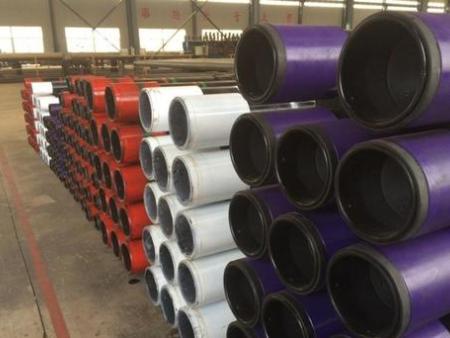
Oil casing plays a crucial role in the oil and natural gas industry, providing structural support and protection for wells during drilling and production operations. The evolution of oil casing over the years has been marked by significant advancements in Materials, design, and technology, reflecting the industry’s continuous quest for efficiency and safety.
In the early days of oil exploration, wooden casings were used to line wells and prevent collapse. However, as drilling depths increased and harsher environments were encountered, the need for more durable and reliable casing materials became apparent. This led to the adoption of Steel casings, which offered superior strength and Corrosion resistance, essential for withstanding the demanding conditions of Oil and Gas reservoirs.
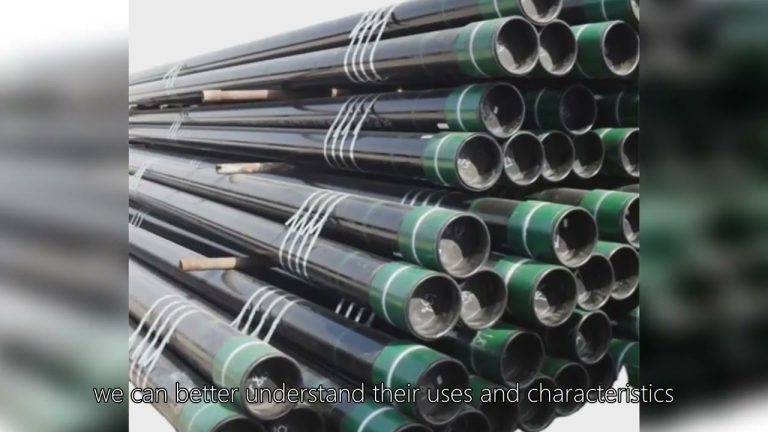
The development of Seamless Steel Tubing revolutionized the casing manufacturing process, enabling the production of longer and more uniform casings that could be deployed efficiently in deep wells. This innovation not only improved well integrity but also reduced costs and drilling time, contributing to the overall efficiency of oil and gas operations.
Advancements in metallurgy and welding techniques further enhanced the performance of oil casings, making them more resistant to high pressures, temperatures, and corrosive fluids encountered in oil and gas reservoirs. The introduction of corrosion-resistant alloys and coatings extended the service life of casings, reducing the need for frequent replacements and Maintenance, thereby lowering operational costs and minimizing environmental impact.
The evolution of oil casing design has also focused on improving wellbore stability and integrity. Innovations such as Centralizers, float equipment, and casing accessories have been developed to ensure proper Cementing and zonal isolation, critical for preventing fluid migration and maintaining well control. These technologies have significantly enhanced well Construction and production efficiency, reducing the risk of blowouts and environmental contamination.
In recent years, the oil and gas industry has witnessed a shift towards digitalization and automation, leading to the development of smart casing technologies. Smart casings are equipped with sensors and communication devices that enable real-time monitoring of well conditions, allowing operators to optimize production, detect leaks, and mitigate risks promptly. This integration of data analytics and IoT capabilities has revolutionized well management practices, enhancing safety, efficiency, and environmental stewardship.
Tubing Head
Looking ahead, the prospects for oil casing in the oil and natural gas industry are promising. As the demand for energy contiNues to grow, driven by population growth and industrialization, the need for efficient and sustainable oil and gas production will remain high. Advances in materials science, manufacturing processes, and digital technologies will continue to shape the evolution of oil casing, enabling the industry to extract resources more effectively and responsibly.
 In conclusion, the evolution of oil casing in the oil and natural gas industry reflects a commitment to innovation, safety, and efficiency. By embracing new technologies and best practices, the industry is poised to overcome challenges and seize opportunities for sustainable growth and development in the years to come.