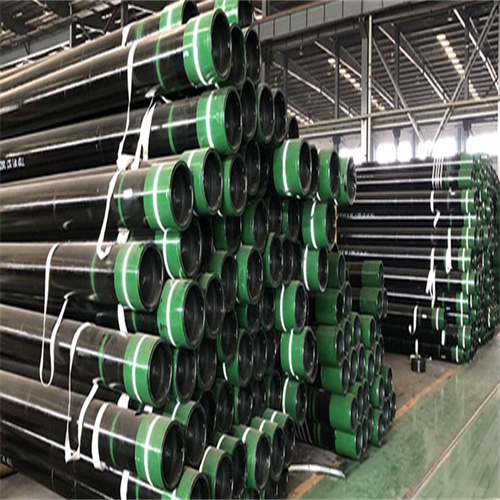
السمات الرئيسية لمواد تغليف الزيت
معايير اختيار مواد تغليف الزيت
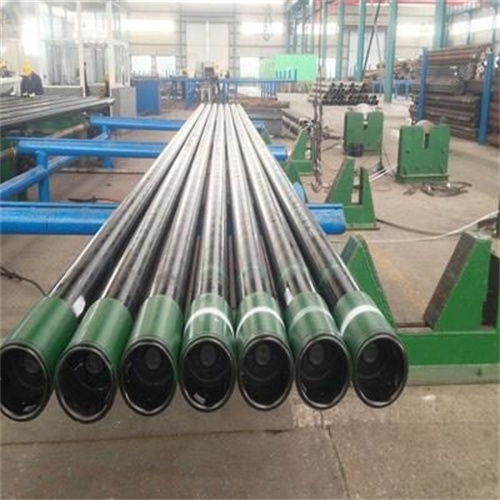
يعد اختيار مواد تغليف النفط جانبًا بالغ الأهمية في صناعة النفط والغاز، حيث أنه يؤثر بشكل مباشر على سلامة وكفاءة وطول عمر عمليات الحفر. عند اختيار مادة الغلاف المناسبة، يجب مراعاة العديد من المعايير الأساسية لضمان الأداء الأمثل في ظل الظروف البيئية المختلفة. أحد العوامل الأساسية هو القوة الميكانيكية للمادة، والتي يجب أن تتحمل الضغوط العالية والضغوط التي تواجهها أثناء الحفر والإنتاج. يجب أن يكون الغلاف قويًا بدرجة كافية لمنع الانهيار والحفاظ على السلامة الهيكلية طوال عمره التشغيلي.
علاوة على ذلك، تلعب الخصائص الحرارية لمواد التغليف دورًا مهمًا في اختيارها. أثناء عمليات الحفر، يمكن أن تحدث تقلبات في درجات الحرارة، ويجب أن يكون الغلاف قادرًا على تحمل هذه التغييرات دون المساس بسلامته الهيكلية. يمكن للمواد ذات التوصيل الحراري الجيد أن تساعد في تبديد الحرارة، مما يقلل من خطر الإجهاد الحراري والفشل المحتمل. وبالتالي، فإن فهم البيئة الحرارية للبئر أمر بالغ الأهمية في اختيار مادة التغليف المناسبة.
هناك اعتبار مهم آخر وهو توافق مادة التغليف مع السوائل الموجودة في البئر. قد تحتوي التكوينات المختلفة على أنواع مختلفة من الهيدروكربونات والماء والمواد الكيميائية الأخرى التي يمكن أن تتفاعل مع مادة الغلاف. ولذلك، فمن الضروري تقييم التوافق الكيميائي للمادة المختارة لمنع ردود الفعل السلبية التي قد تؤدي إلى الفشل. غالبًا ما يتضمن هذا التقييم إجراء اختبارات معملية لمحاكاة الظروف التي سيواجهها الغلاف في الميدان.
علاوة على ذلك، تعد تكلفة مادة التغليف أحد الاعتبارات العملية التي لا يمكن إغفالها. في حين أن المواد عالية الأداء قد توفر خصائص متفوقة، إلا أنها غالبًا ما تأتي بسعر ممتاز. ولذلك، يجب تحقيق التوازن بين الأداء وفعالية التكلفة. يعد هذا التوازن مهمًا بشكل خاص في عمليات الحفر واسعة النطاق، حيث يمكن أن تؤثر تكاليف المواد بشكل كبير على الميزانية الإجمالية.
بالإضافة إلى هذه العوامل الفنية، يعد الامتثال التنظيمي جانبًا مهمًا آخر من عملية الاختيار. تخضع صناعة النفط والغاز للوائح صارمة تحكم المواد المستخدمة في عمليات الحفر. يعد التأكد من أن مواد التغليف المختارة تلبي هذه المعايير التنظيمية أمرًا ضروريًا لتجنب المشكلات القانونية وضمان سلامة العمليات.
وأخيرًا، يجب أيضًا مراعاة سهولة تركيب مادة الغلاف وتوافرها. يمكن للمواد المتوفرة بسهولة والتي يسهل العمل بها تبسيط عملية الحفر وتقليل وقت التوقف عن العمل. هذا الجانب مهم بشكل خاص في المواقع النائية حيث قد تنشأ تحديات لوجستية.
في الختام، يتضمن اختيار مواد تغليف النفط تقييمًا شاملاً لمعايير مختلفة، بما في ذلك القوة الميكانيكية، ومقاومة التآكل، والخصائص الحرارية، والتوافق الكيميائي، والتكلفة، والامتثال التنظيمي ، وسهولة التركيب. من خلال النظر بعناية في هذه العوامل، يمكن للمشغلين اتخاذ قرارات مستنيرة تعزز سلامة وكفاءة عمليات الحفر الخاصة بهم، مما يساهم في نهاية المطاف في نجاح مشاريعهم في صناعة النفط والغاز التنافسية.
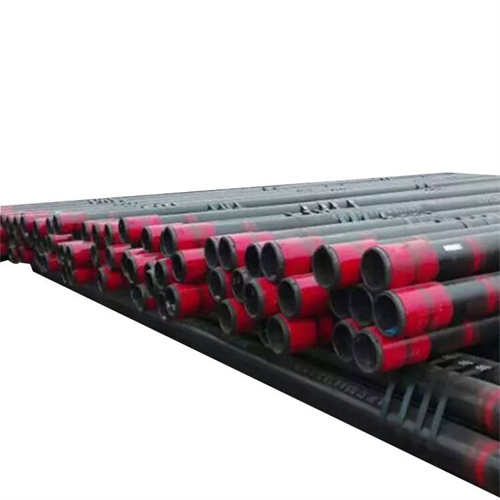
In addition to mechanical strength, Corrosion resistance is another vital criterion. Oil and Gas wells are often exposed to harsh environments, including corrosive fluids and gases that can lead to Material degradation over time. Therefore, selecting materials that can resist corrosion is essential for minimizing Maintenance costs and extending the lifespan of the Casing. Common materials used in Oil Casing include Carbon Steel and various alloys, each offering different levels of resistance to corrosion and wear.
Furthermore, the thermal properties of the casing material play a significant role in its selection. During drilling operations, temperature fluctuations can occur, and the casing must be able to withstand these changes without compromising its structural integrity. Materials with good thermal conductivity can help dissipate heat, reducing the risk of thermal stress and potential failure. Consequently, understanding the thermal environment of the well is crucial in selecting the appropriate casing material.
Another important consideration is the compatibility of the casing material with the fluids present in the well. Different formations may contain various types of hydrocarbons, water, and other chemicals that can interact with the casing material. Therefore, it is essential to evaluate the chemical compatibility of the selected material to prevent adverse reactions that could lead to failure. This evaluation often involves conducting laboratory tests to simulate the conditions the casing will face in the field.
Moreover, the cost of the casing material is a practical consideration that cannot be overlooked. While high-performance materials may offer superior properties, they often come at a premium Price. Therefore, a balance must be struck between performance and cost-effectiveness. This balance is particularly important in large-scale drilling operations, where material costs can significantly impact the overall budget.
In addition to these technical factors, regulatory compliance is another critical aspect of the selection process. The oil and gas industry is subject to stringent regulations that govern the materials used in drilling operations. Ensuring that the selected casing materials meet these regulatory standards is essential for avoiding legal issues and ensuring the safety of operations.
Finally, the ease of installation and availability of the casing material should also be considered. Materials that are readily available and easy to work with can streamline the drilling process and reduce downtime. This aspect is particularly important in remote locations where logistical challenges may arise.
In conclusion, the selection of Oil casing materials involves a comprehensive evaluation of various criteria, including mechanical strength, corrosion resistance, thermal properties, chemical compatibility, cost, regulatory compliance, and ease of installation. By carefully considering these factors, operators can make informed decisions that enhance the safety and efficiency of their drilling operations, ultimately contributing to the success of their projects in the competitive oil and gas industry.