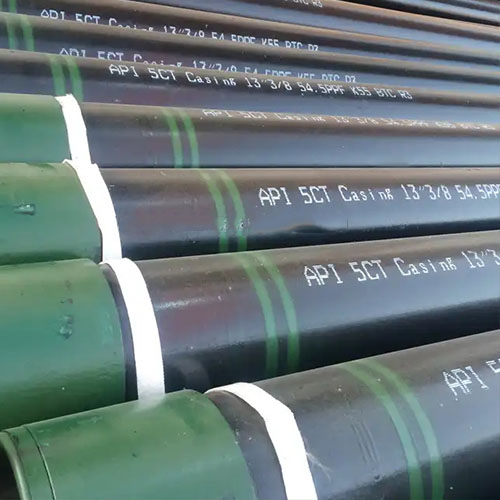
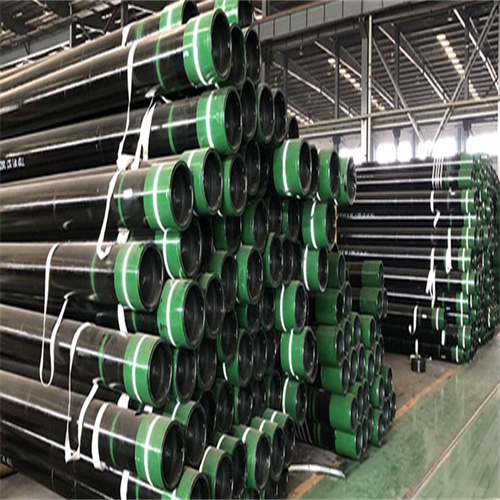
তেল আবরণ সামগ্রীর মূল বৈশিষ্ট্য
তেল আবরণ সামগ্রীর জন্য নির্বাচনের মানদণ্ড
উপরন্তু, কেসিং উপাদানের তাপীয় বৈশিষ্ট্যগুলি এটির নির্বাচনের ক্ষেত্রে একটি গুরুত্বপূর্ণ ভূমিকা পালন করে। ড্রিলিং অপারেশনের সময়, তাপমাত্রার ওঠানামা ঘটতে পারে, এবং আবরণটি অবশ্যই তার কাঠামোগত অখণ্ডতার সাথে আপস না করে এই পরিবর্তনগুলি সহ্য করতে সক্ষম হবে। ভাল তাপ পরিবাহিতা সহ উপাদানগুলি তাপ ক্ষয় করতে সাহায্য করতে পারে, তাপীয় চাপ এবং সম্ভাব্য ব্যর্থতার ঝুঁকি হ্রাস করে। ফলস্বরূপ, উপযুক্ত আবরণ উপাদান নির্বাচন করার জন্য কূপের তাপীয় পরিবেশ বোঝা অত্যন্ত গুরুত্বপূর্ণ। বিভিন্ন গঠনে বিভিন্ন ধরণের হাইড্রোকার্বন, জল এবং অন্যান্য রাসায়নিক পদার্থ থাকতে পারে যা আবরণ উপাদানের সাথে যোগাযোগ করতে পারে। অতএব, ব্যর্থতা হতে পারে এমন প্রতিকূল প্রতিক্রিয়া প্রতিরোধ করতে নির্বাচিত উপাদানের রাসায়নিক সামঞ্জস্যের মূল্যায়ন করা অপরিহার্য। এই মূল্যায়নে প্রায়শই ল্যাবরেটরি পরীক্ষা পরিচালনা করা জড়িত থাকে যাতে কেসিং ক্ষেত্রটিতে যে পরিস্থিতির সম্মুখীন হবে তা অনুকরণ করে। যদিও উচ্চ-কার্যকারিতা সামগ্রীগুলি উচ্চতর বৈশিষ্ট্যগুলি অফার করতে পারে, সেগুলি প্রায়শই একটি প্রিমিয়াম মূল্যে আসে। অতএব, কর্মক্ষমতা এবং ব্যয়-কার্যকারিতার মধ্যে একটি ভারসাম্য বজায় রাখতে হবে। এই ভারসাম্য বৃহৎ-স্কেল ড্রিলিং অপারেশনে বিশেষভাবে গুরুত্বপূর্ণ, যেখানে উপাদান খরচ সামগ্রিক বাজেটকে উল্লেখযোগ্যভাবে প্রভাবিত করতে পারে। তেল এবং গ্যাস শিল্প কঠোর প্রবিধানের অধীন যা তুরপুন অপারেশনে ব্যবহৃত উপকরণগুলিকে নিয়ন্ত্রণ করে। নির্বাচিত কেসিং উপকরণগুলি এই নিয়ন্ত্রক মানগুলি পূরণ করে তা নিশ্চিত করা আইনি সমস্যাগুলি এড়ানো এবং অপারেশনগুলির নিরাপত্তা নিশ্চিত করার জন্য অপরিহার্য৷ সহজলভ্য এবং সহজে কাজ করা উপকরণগুলি ড্রিলিং প্রক্রিয়াকে স্ট্রিমলাইন করতে পারে এবং ডাউনটাইম কমাতে পারে। এই দিকটি দূরবর্তী স্থানে বিশেষভাবে গুরুত্বপূর্ণ যেখানে লজিস্টিক চ্যালেঞ্জ দেখা দিতে পারে। , এবং ইনস্টলেশন সহজ. এই বিষয়গুলিকে সাবধানে বিবেচনা করে, অপারেটররা তাদের ড্রিলিং অপারেশনগুলির নিরাপত্তা এবং দক্ষতা বাড়ায় এমন জ্ঞাত সিদ্ধান্ত নিতে পারে, যা শেষ পর্যন্ত প্রতিযোগিতামূলক তেল ও গ্যাস শিল্পে তাদের প্রকল্পের সাফল্যে অবদান রাখে৷
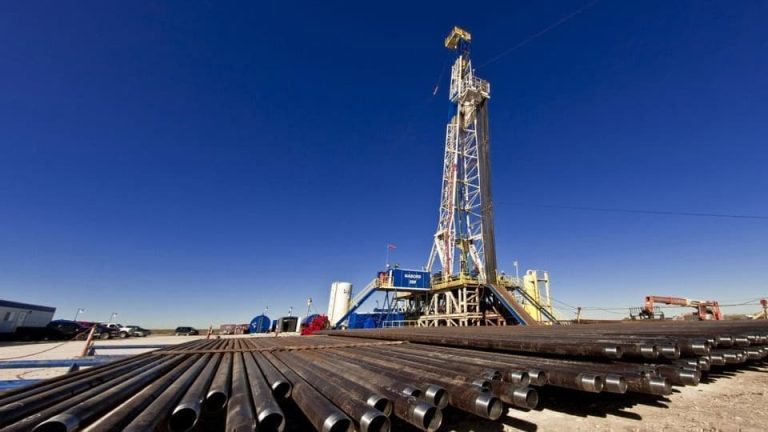
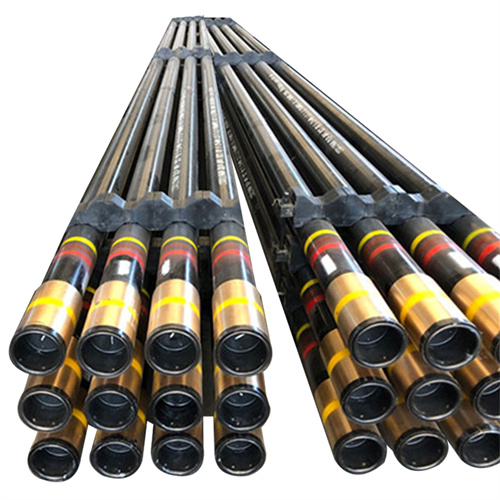
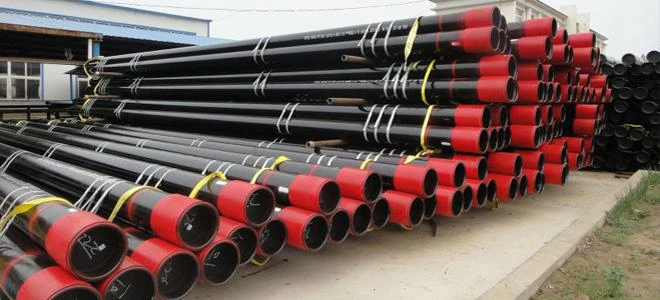
The selection of Oil Casing Materials is a critical aspect of the Oil and Gas industry, as it directly impacts the safety, efficiency, and longevity of drilling operations. When choosing the appropriate casing material, several key criteria must be considered to ensure optimal performance under various environmental conditions. One of the primary factors is the mechanical strength of the material, which must withstand the high pressures and stresses encountered during drilling and production. The casing must be robust enough to prevent collapse and maintain structural integrity throughout its operational life.
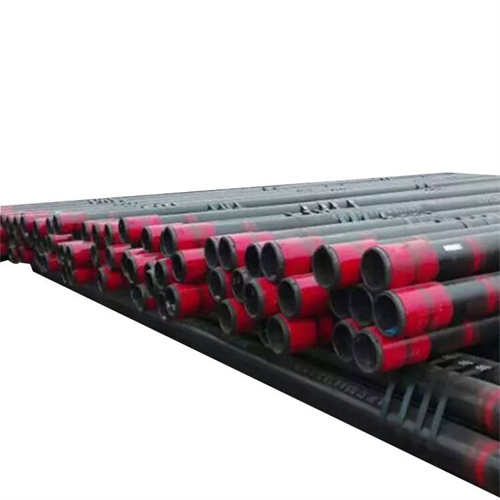
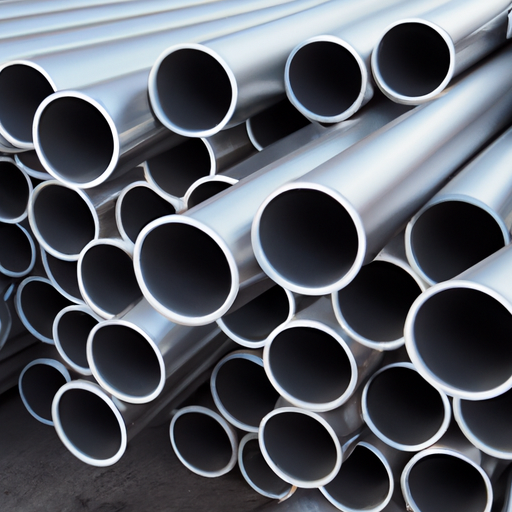
In addition to mechanical strength, Corrosion resistance is another vital criterion. oil and gas wells are often exposed to harsh environments, including corrosive fluids and gases that can lead to material degradation over time. Therefore, selecting materials that can resist corrosion is essential for minimizing Maintenance costs and extending the lifespan of the casing. Common materials used in oil casing include Carbon Steel and various alloys, each offering different levels of resistance to corrosion and wear.
Furthermore, the thermal properties of the casing material play a significant role in its selection. During drilling operations, temperature fluctuations can occur, and the casing must be able to withstand these changes without compromising its structural integrity. Materials with good thermal conductivity can help dissipate heat, reducing the risk of thermal stress and potential failure. Consequently, understanding the thermal environment of the well is crucial in selecting the appropriate casing material.
Another important consideration is the compatibility of the casing material with the fluids present in the well. Different formations may contain various types of hydrocarbons, water, and other chemicals that can interact with the casing material. Therefore, it is essential to evaluate the chemical compatibility of the selected material to prevent adverse reactions that could lead to failure. This evaluation often involves conducting laboratory tests to simulate the conditions the casing will face in the field.
Moreover, the cost of the casing material is a practical consideration that cannot be overlooked. While high-performance materials may offer superior properties, they often come at a premium Price. Therefore, a balance must be struck between performance and cost-effectiveness. This balance is particularly important in large-scale drilling operations, where material costs can significantly impact the overall budget.
In addition to these technical factors, regulatory compliance is another critical aspect of the selection process. The oil and gas industry is subject to stringent regulations that govern the materials used in drilling operations. Ensuring that the selected casing materials meet these regulatory standards is essential for avoiding legal issues and ensuring the safety of operations.
Finally, the ease of installation and availability of the casing material should also be considered. Materials that are readily available and easy to work with can streamline the drilling process and reduce downtime. This aspect is particularly important in remote locations where logistical challenges may arise.
In conclusion, the selection of oil casing materials involves a comprehensive evaluation of various criteria, including mechanical strength, corrosion resistance, thermal properties, chemical compatibility, cost, regulatory compliance, and ease of installation. By carefully considering these factors, operators can make informed decisions that enhance the safety and efficiency of their drilling operations, ultimately contributing to the success of their projects in the competitive oil and gas industry.