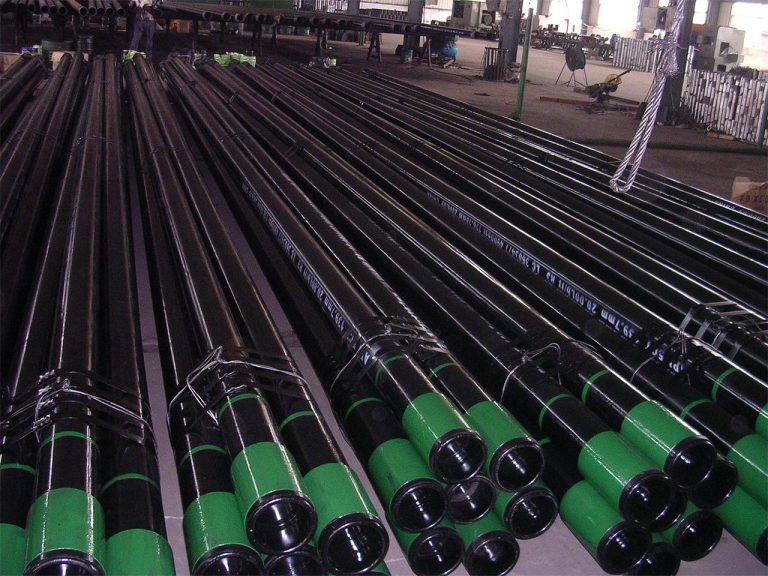
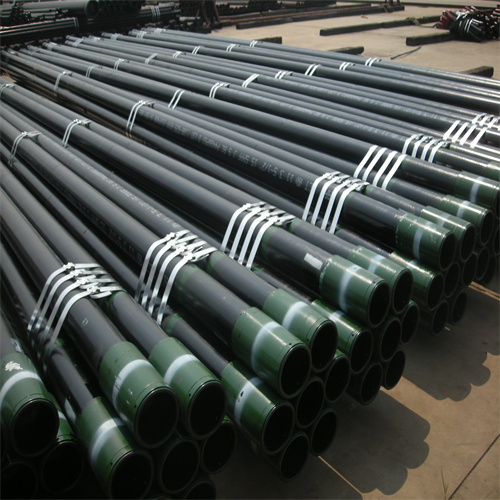
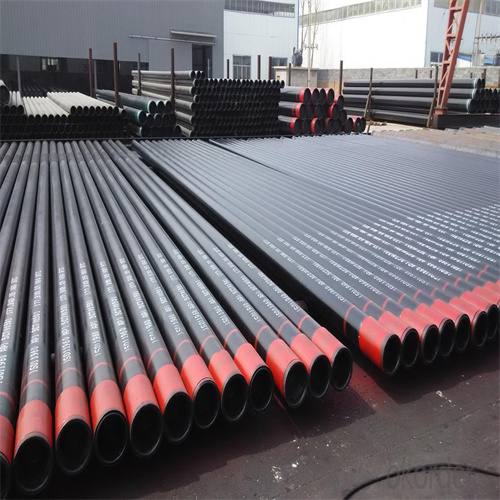
الطلاءات المضادة للتآكل لأغلفة الزيت: الابتكارات والتطبيقات
بالإضافة إلى الحلول القائمة على البوليمر، فإن دمج تكنولوجيا النانو في الطلاءات المضادة للتآكل قد فتح آفاقًا جديدة لتعزيز الأداء. يمكن للجسيمات النانوية، عند دمجها في مواد الطلاء التقليدية، تحسين خصائصها الوقائية بشكل كبير. على سبيل المثال، يمكن أن يؤدي إدراج أكسيد الزنك أو الجسيمات النانوية لثاني أكسيد التيتانيوم إلى تعزيز مقاومة الطلاء للأشعة فوق البنفسجية وتحسين متانته بشكل عام. لا يعمل هذا الابتكار على إطالة عمر الطلاء فحسب، بل يساهم أيضًا في استدامة عمليات تغليف الزيت عن طريق تقليل تكرار الصيانة والاستبدال.
علاوة على ذلك، يمثل تطبيق الطلاءات الذكية تطورًا رائدًا في مجال تقنيات مقاومة التآكل . تم تصميم هذه الطلاءات لمراقبة حالتها وتقديم تعليقات في الوقت الفعلي حول سلامة الغلاف. ومن خلال دمج أجهزة الاستشعار التي تكتشف التآكل أو تدهور الطلاء، يمكن للمشغلين اتخاذ تدابير استباقية لمعالجة المشكلات المحتملة قبل تفاقمها. لا يؤدي نهج الصيانة التنبؤية هذا إلى تعزيز السلامة فحسب، بل يعمل أيضًا على تحسين الكفاءة التشغيلية، مما يؤدي في النهاية إلى توفير التكاليف لشركات النفط والغاز.
 API 5ct J55 Tubing أفضل الشركات المصنعة في الصين
التقنيات المتقدمة في منع تآكل أغلفة الزيت ومراقبته
في صناعة النفط والغاز، تعد سلامة غلاف النفط أمرًا بالغ الأهمية، حيث إنها بمثابة حاجز لحماية البيئة المحيطة من التلوث ولضمان الاستخراج الآمن للهيدروكربونات. يشكل التآكل تهديدًا كبيرًا لطول عمر وموثوقية غلاف النفط، مما يستلزم تطوير وتنفيذ تقنيات متقدمة لمنع التآكل ومراقبته. لا تعمل هذه التقنيات على تعزيز متانة غلاف الزيت فحسب، بل تساهم أيضًا في الكفاءة الشاملة والسلامة لعمليات استخراج النفط.
أحد أهم التطورات الواعدة في مجال منع التآكل هو استخدام الطلاءات المتقدمة. تم تصميم هذه الطلاءات لتوفير طبقة واقية يمكنها تحمل الظروف البيئية القاسية، بما في ذلك التعرض للمواد المسببة للتآكل مثل كبريتيد الهيدروجين وثاني أكسيد الكربون. غالبًا ما يتم تصنيع الطلاءات الحديثة باستخدام تقنية النانو، مما يعزز التصاقها ومقاومتها للتآكل. من خلال تطبيق هذه الطلاءات المتقدمة على غلاف الزيت، يمكن للمشغلين تقليل معدل التآكل بشكل كبير، وبالتالي إطالة عمر الغلاف وتقليل الحاجة إلى بدائل مكلفة.
بالإضافة إلى الطلاءات الواقية، ظهرت أنظمة الحماية الكاثودية كتقنية حيوية في مكافحة التآكل. تتضمن هذه الطريقة تطبيق تيار كهربائي صغير على غلاف الزيت، مما يقاوم التفاعلات الكهروكيميائية التي تؤدي إلى التآكل. باستخدام الأنودات المضحية أو أنظمة التيار المؤثر، يمكن للمشغلين حماية الغلاف بشكل فعال من التآكل، خاصة في البيئات التي قد تكون فيها تدابير الحماية التقليدية غير كافية. يتيح دمج الحماية الكاثودية مع أنظمة المراقبة في الوقت الحقيقي التقييم المستمر لحالة الغلاف، مما يتيح التدخل في الوقت المناسب عند اكتشاف التآكل.
علاوة على ذلك، أحدث ظهور التقنيات الذكية ثورة في مراقبة سلامة أغلفة النفط. تلعب أجهزة الاستشعار وتحليلات البيانات دورًا حاسمًا في هذا المجال، حيث توفر معلومات في الوقت الفعلي عن حالة الغلاف. يمكن لهذه المستشعرات اكتشاف التغيرات في درجة الحرارة والضغط ومعدلات التآكل، مما يسمح للمشغلين باتخاذ قرارات مستنيرة فيما يتعلق بالصيانة والإصلاحات. ويمكن تحليل البيانات المجمعة باستخدام خوارزميات متقدمة للتنبؤ بنقاط الفشل المحتملة، وبالتالي تسهيل التدابير الاستباقية للتخفيف من المخاطر. هذا التحول من الصيانة التفاعلية إلى الصيانة الاستباقية لا يعزز السلامة فحسب، بل يعمل أيضًا على تحسين الكفاءة التشغيلية.
علاوة على ذلك، اكتسب استخدام المواد المتقدمة في بناء غلاف الزيت قوة جذب كوسيلة لمكافحة التآكل. ويجري تطوير السبائك والمواد المركبة عالية الأداء لتحمل الظروف القاسية ومقاومة التآكل بشكل أكثر فعالية من المواد التقليدية. لا توفر هذه المواد المبتكرة متانة معززة فحسب، بل تقلل أيضًا من الوزن الإجمالي للغلاف، مما قد يؤدي إلى توفير التكاليف أثناء النقل والتركيب.
في الختام، تشهد صناعة النفط والغاز تحولًا كبيرًا في نهج الوقاية من التآكل ومراقبة غلاف النفط. ومن خلال تنفيذ الطلاءات المتقدمة، وأنظمة الحماية الكاثودية، وتقنيات المراقبة الذكية، واستخدام المواد المبتكرة، أصبح المشغلون مجهزين بشكل أفضل لمواجهة التحديات التي يفرضها التآكل. ولا تعمل هذه التطورات على تعزيز طول عمر وموثوقية غلاف النفط فحسب، بل تساهم أيضًا في عمليات استخراج النفط الأكثر أمانًا وكفاءة. ومع استمرار تطور الصناعة، فإن البحث والتطوير المستمر لهذه التقنيات سيلعب دورًا حاسمًا في ضمان استدامة وسلامة عمليات النفط والغاز في جميع أنحاء العالم.
In the Oil and Gas industry, the integrity of Oil Casing is paramount, as it serves as a barrier to protect the surrounding environment from contamination and to ensure the safe extraction of hydrocarbons. Corrosion poses a significant threat to the longevity and reliability of oil casing, necessitating the development and implementation of advanced technologies for corrosion prevention and monitoring. These technologies not only enhance the durability of oil casing but also contribute to the overall efficiency and safety of oil extraction operations.
One of the most promising advancements in corrosion prevention is the use of advanced coatings. These coatings are designed to provide a protective layer that can withstand harsh environmental conditions, including exposure to corrosive substances such as hydrogen sulfide and carbon dioxide. Modern coatings are often formulated with nanotechnology, which enhances their adhesion and resistance to wear and tear. By applying these advanced coatings to oil casing, operators can significantly reduce the rate of corrosion, thereby extending the lifespan of the casing and minimizing the need for costly replacements.
In addition to protective coatings, cathodic protection systems have emerged as a vital technology in the fight against corrosion. This method involves the application of a small electrical current to the oil casing, which counteracts the electrochemical reactions that lead to corrosion. By using sacrificial anodes or impressed current systems, operators can effectively protect the casing from corrosion, particularly in environments where traditional protective measures may fall short. The integration of cathodic protection with real-time monitoring systems allows for continuous assessment of the casing’s condition, enabling timely interventions when corrosion is detected.
Moreover, the advent of smart technologies has revolutionized the monitoring of oil casing integrity. Sensors and data analytics play a crucial role in this domain, as they provide real-time information on the condition of the casing. These sensors can detect changes in temperature, pressure, and corrosion rates, allowing operators to make informed decisions regarding Maintenance and Repairs. The data collected can be analyzed using advanced algorithms to predict potential failure points, thereby facilitating proactive measures to mitigate risks. This shift from reactive to proactive maintenance not only enhances safety but also optimizes operational efficiency.
Furthermore, the use of advanced Materials in the Construction of oil casing has gained traction as a means of combating corrosion. high-performance alloys and composite materials are being developed to withstand extreme conditions and resist corrosion more effectively than traditional materials. These innovative materials not only offer enhanced durability but also reduce the overall Weight of the casing, which can lead to cost savings during transportation and installation.
In conclusion, the oil and gas industry is witnessing a significant transformation in the approach to corrosion prevention and monitoring of oil casing. Through the implementation of advanced coatings, cathodic protection systems, smart monitoring technologies, and the use of innovative materials, operators are better equipped to address the challenges posed by corrosion. These advancements not only enhance the longevity and reliability of oil casing but also contribute to safer and more efficient oil extraction processes. As the industry contiNues to evolve, the ongoing research and development of these technologies will play a critical role in ensuring the sustainability and safety of oil and gas operations worldwide.