أهمية تقنيات التثبيت المناسبة لأنابيب تغليف آبار المياه
مزايا وعيوب المواد المختلفة المستخدمة في أنابيب تغليف آبار المياه
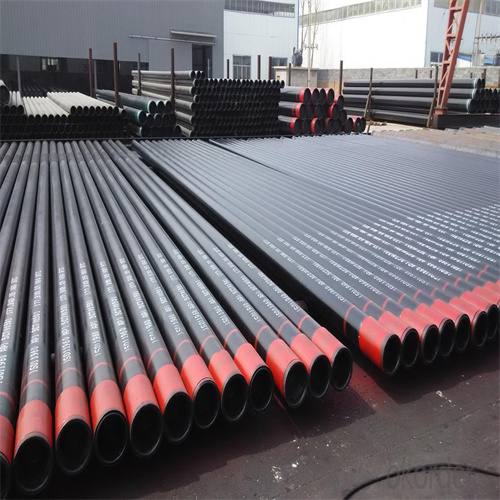
تعد أنابيب تغليف آبار المياه مكونات أساسية في أنظمة المياه الجوفية، حيث تلعب دورًا محوريًا في حماية البئر والحفاظ على جودة المياه. تتوفر هذه الأنابيب بمواد مختلفة، ولكل منها مجموعة من المزايا والعيوب الخاصة بها. يعد فهم هذه الاختلافات أمرًا ضروريًا لضمان طول عمر وكفاءة أنظمة آبار المياه.
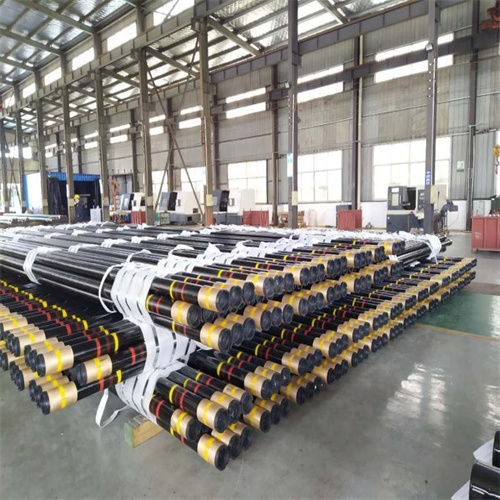
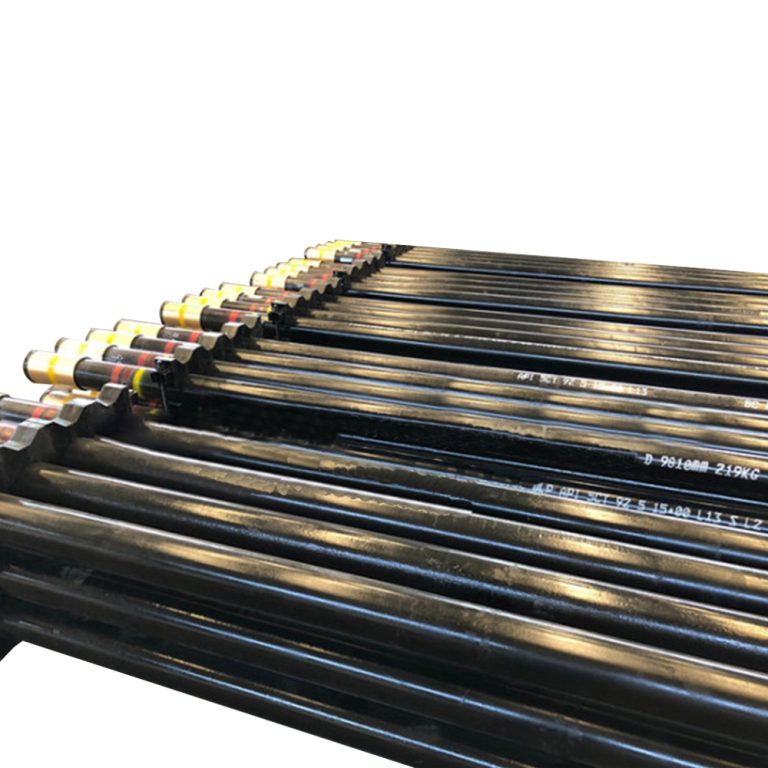
أحد المواد الشائعة الاستخدام لتغليف أنابيب آبار المياه هو الفولاذ. توفر الأنابيب ذات الغلاف الفولاذي قوة ومتانة استثنائيتين، مما يجعلها مناسبة للآبار العميقة والبيئات القاسية. وتضمن مقاومتها للتآكل والأضرار الميكانيكية أداءً طويل الأمد والحد الأدنى من متطلبات الصيانة. بالإضافة إلى ذلك، توفر أنابيب الغلاف الفولاذي سلامة هيكلية ممتازة، وقادرة على تحمل الضغط العالي والقوى الخارجية.
ومع ذلك، فإن أنابيب الغلاف الفولاذي لها أيضًا بعض العيوب. أحد المخاوف المهمة هو التآكل، خاصة في البيئات المسببة للتآكل أو ظروف المياه الجوفية الحمضية. وبدون الحماية المناسبة، يمكن أن تتدهور أنابيب الغلاف الفولاذي بمرور الوقت، مما يعرض سلامة البئر للخطر وربما يؤدي إلى تلويث إمدادات المياه. علاوة على ذلك، فإن أنابيب التغليف الفولاذية ثقيلة نسبيًا وقد تتطلب معدات متخصصة للتركيب، مما يزيد من التكاليف الإجمالية والتعقيد.
هناك مادة أخرى شائعة الاستخدام في أنابيب تغليف آبار المياه وهي PVC (كلوريد البولي فينيل). توفر أنابيب التغليف PVC العديد من المزايا، بما في ذلك مقاومة التآكل، والبناء الخفيف، وسهولة التركيب. على عكس الفولاذ، فإن مادة PVC محصنة ضد الصدأ والتآكل الكيميائي، مما يجعلها مثالية للآبار في التربة المسببة للتآكل أو الظروف المائية. بالإضافة إلى ذلك، تتميز أنابيب التغليف PVC بخفة الوزن، مما يسهل التعامل والتركيب، وبالتالي تقليل تكاليف العمالة ووقت التركيب.
على الرغم من هذه الفوائد، فإن أنابيب التغليف PVC لها أيضًا قيود. أحد المخاوف هو قابلية تعرضها للضرر من القوى الخارجية أو الضغوط. الأنابيب البلاستيكية أقل صلابة من الفولاذ، مما يجعلها أكثر عرضة للتشوه أو التشقق في ظل ظروف معينة. بالإضافة إلى ذلك، قد لا تكون أنابيب التغليف PVC مناسبة للآبار العميقة أو تطبيقات الضغط العالي، لأنها تفتقر إلى القوة والسلامة الهيكلية للفولاذ.
الألياف الزجاجية هي مادة أخرى تستخدم في أنابيب تغليف آبار المياه، وتقدم مزيجًا فريدًا من الخصائص. تتميز أنابيب غلاف الألياف الزجاجية بأنها خفيفة الوزن، ومقاومة للتآكل، ومتينة للغاية، مما يجعلها مناسبة لمختلف تطبيقات الآبار. وتضمن مقاومتها الفائقة للتآكل أداءً طويل الأمد، حتى في بيئات المياه الجوفية العدوانية. بالإضافة إلى ذلك، من السهل التعامل مع الأنابيب المصنوعة من الألياف الزجاجية وتركيبها، مما يقلل من وقت التركيب وتكاليفه.
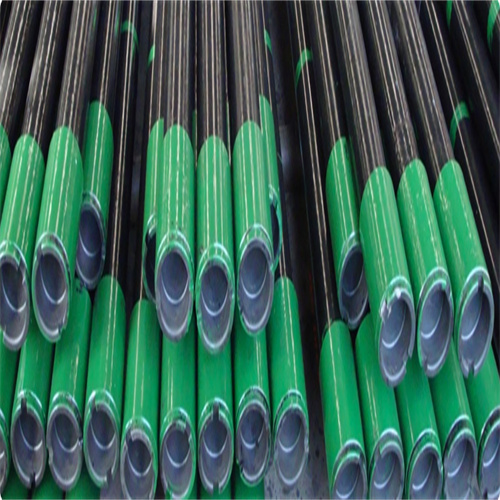
باختصار، تتوفر أنابيب تغليف آبار المياه بمواد مختلفة، ولكل منها مجموعة من المزايا والعيوب الخاصة بها. توفر أنابيب الغلاف الفولاذي قوة ومتانة استثنائيتين ولكنها عرضة للتآكل وتتطلب تركيبًا متخصصًا. تتميز أنابيب غلاف PVC بأنها مقاومة للتآكل وخفيفة الوزن ولكنها قد تفتقر إلى القوة اللازمة لتطبيقات معينة. تجمع أنابيب غلاف الألياف الزجاجية بين مقاومة التآكل والمتانة ولكنها قد تكون عرضة للتدهور الناتج عن الأشعة فوق البنفسجية. من خلال فهم خصائص المواد المختلفة، يمكن لأصحاب الآبار اتخاذ قرارات مستنيرة لضمان موثوقية وكفاءة أنظمة آبار المياه الخاصة بهم.
Advantages and Disadvantages of Different Materials Used in Water well Casing Pipes
Water well casing Pipes are crucial components of groundwater systems, playing a pivotal role in protecting the well and maintaining water quality. These pipes are available in various materials, each with its own set of advantages and disadvantages. Understanding these Differences is essential for ensuring the longevity and efficiency of water well systems.
One commonly used material for water Well Casing pipes is Steel. steel casing pipes offer exceptional strength and durability, making them suitable for deep wells and harsh environments. Their resistance to corrosion and mechanical damage ensures long-term performance and minimal Maintenance requirements. Additionally, steel casing pipes provide excellent structural integrity, capable of withstanding high pressure and external forces.
However, steel casing pipes also have some drawbacks. One significant concern is corrosion, especially in corrosive environments or acidic groundwater conditions. Without proper protection, steel casing pipes can deteriorate over time, compromising the integrity of the well and potentially contaminating the water supply. Moreover, steel casing pipes are relatively heavy and may require specialized equipment for installation, increasing overall costs and complexity.
Another material commonly used for water well casing pipes is PVC (polyvinyl chloride). PVC casing pipes offer several advantages, including Corrosion resistance, lightWeight Construction, and ease of installation. Unlike steel, PVC is immune to rust and chemical corrosion, making it ideal for wells in corrosive sOil or water conditions. Additionally, PVC casing pipes are lightweight, facilitating easier handling and installation, thereby reducing labor costs and installation time.
Despite these benefits, PVC casing pipes also have limitations. One concern is their susceptibility to damage from external forces or pressure. PVC pipes are less rigid than steel, making them more prone to deformation or cracking under certain conditions. Additionally, PVC casing pipes may not be suitable for deep wells or high-pressure applications, as they lack the strength and structural integrity of steel.
Fiberglass is another material used in water well casing pipes, offering a unique combination of properties. Fiberglass casing pipes are lightweight, corrosion-resistant, and highly durable, making them suitable for various well applications. Their superior corrosion resistance ensures long-term performance, even in aggressive groundwater environments. Additionally, fiberglass casing pipes are easy to handle and install, further reducing installation time and costs.
However, fiberglass casing pipes also have some limitations. One concern is their susceptibility to UV degradation when exposed to sunlight for prolonged periods. Without adequate protection, fiberGlass Pipes can become brittle and prone to cracking, compromising their structural integrity. Moreover, fiberglass casing pipes may be more expensive than other materials initially, although their long-term durability can offset these costs over time.
In summary, water well casing pipes are available in various materials, each with its own set of advantages and disadvantages. Steel casing pipes offer exceptional strength and durability but are susceptible to corrosion and require specialized installation. PVC casing pipes are corrosion-resistant and lightweight but may lack the strength for certain applications. Fiberglass casing pipes combine corrosion resistance with durability but may be vulnerable to UV degradation. By understanding the characteristics of different materials, well owners can make informed decisions to ensure the reliability and efficiency of their water well systems.