التقدم في تقنيات فحص المواد النادرة في أغلفة النفط
دور المواد النادرة في تعزيز متانة غلاف الزيت
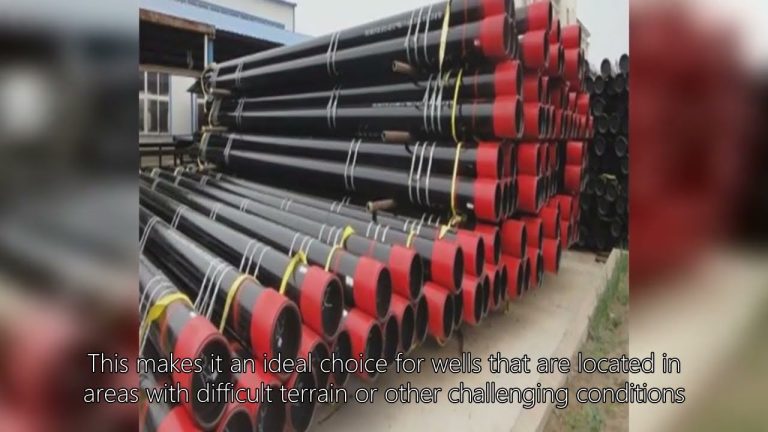
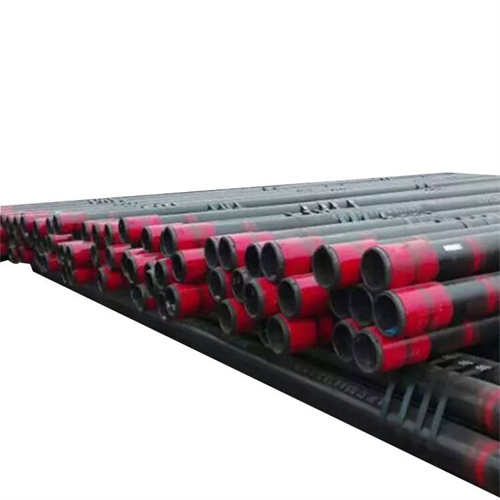
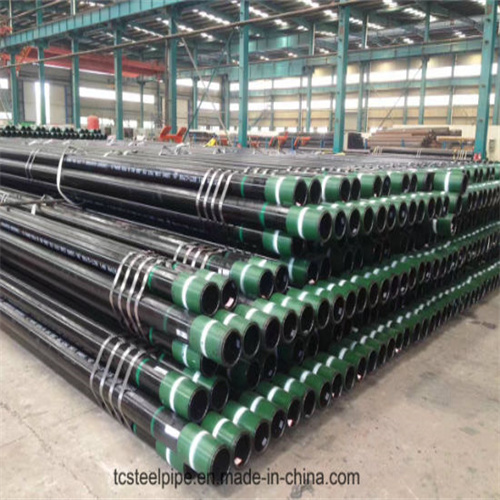
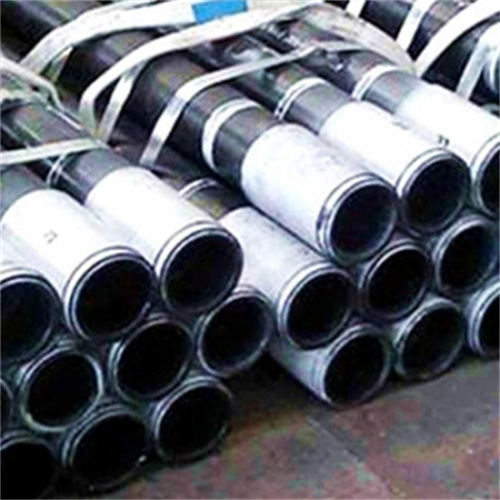
 لطالما كان استكشاف النفط واستخراجه عنصرين حاسمين في مشهد الطاقة العالمي، مما يستلزم تطوير تقنيات قوية لضمان سلامة وطول عمر أنظمة تغليف النفط. وفي هذا السياق، برزت المواد النادرة كعناصر محورية في تعزيز متانة غلاف الزيت. تساهم هذه المواد، التي غالبًا ما تتميز بخصائصها الفريدة، بشكل كبير في أداء وموثوقية أنظمة التغليف، والتي تعتبر ضرورية للحفاظ على سلامة الآبار ومنع التلوث البيئي.
تمتلك المواد النادرة، مثل بعض السبائك والمواد المركبة، ميكانيكية وكيميائية استثنائية الخصائص التي تجعلها مرشحة مثالية للاستخدام في تطبيقات تغليف النفط. على سبيل المثال، يمكن أن يؤدي دمج العناصر الأرضية النادرة إلى تحسين مقاومة التآكل لأغلفة الفولاذ، والتي كثيرًا ما تتعرض لبيئات قاسية، بما في ذلك الضغوط العالية والظروف الكيميائية القاسية. لا تعمل هذه المقاومة المعززة على إطالة عمر الغلاف فحسب، بل تقلل أيضًا من تكرار الصيانة والاستبدال، مما يؤدي في النهاية إلى توفير التكاليف لمشغلي النفط.
علاوة على ذلك، تسمح الطبيعة خفيفة الوزن لبعض المواد النادرة بتصميم أنظمة غلاف أكثر كفاءة . ومن خلال تقليل الوزن الإجمالي للغلاف، يمكن للمشغلين تسهيل التعامل والتركيب بشكل أسهل، وهو أمر مفيد بشكل خاص في المواقع النائية أو الصعبة. يعد هذا الجانب بالغ الأهمية، حيث يمكن للوجستيات نقل وتركيب مواد التغليف الثقيلة أن تؤثر بشكل كبير على الجداول الزمنية للمشروع وميزانياته. ولذلك، فإن الاستخدام الاستراتيجي للمواد النادرة يمكن أن يبسط العمليات مع الحفاظ على السلامة الهيكلية المطلوبة لاستخراج النفط بشكل آمن.
بالإضافة إلى المزايا الميكانيكية، تلعب المواد النادرة أيضًا دورًا حيويًا في تعزيز الاستقرار الحراري لأنظمة تغليف النفط. وبما أن عمليات الحفر غالباً ما تنطوي على تقلبات شديدة في درجات الحرارة، فإن قدرة مواد التغليف على تحمل هذه التغيرات أمر بالغ الأهمية. تظهر بعض المواد النادرة موصلية حرارية واستقرارًا فائقين، مما يساعد على تخفيف المخاطر المرتبطة بالتمدد الحراري والانكماش. هذه الخاصية مهمة بشكل خاص في سيناريوهات الحفر في المياه العميقة، حيث يمكن أن تكون تدرجات درجات الحرارة واضحة ولا يمكن التنبؤ بها. أدى تطوير تقنيات أغلفة النفط إلى حلول مبتكرة تستفيد من الخصائص الفريدة للمواد النادرة. على سبيل المثال، يستكشف الباحثون استخدام الطلاءات ذات البنية النانوية التي تتضمن مواد نادرة لإنشاء حواجز وقائية ضد التآكل والتآكل. يمكن لهذه الطلاءات أن تعزز بشكل كبير أداء مواد التغليف التقليدية، مما يوفر طبقة إضافية من الدفاع ضد التأثيرات التآكلية لسوائل الحفر وسوائل التكوين.
مع استمرار تطور صناعة النفط والغاز، يزداد الطلب على حلول أغلفة أكثر متانة وكفاءة سوف تزيد فقط. يوفر استكشاف المواد النادرة وسيلة واعدة لتلبية هذه المتطلبات، حيث يمكن تصميم خصائصها الفريدة لمواجهة التحديات المحددة التي تواجهها بيئات الحفر المختلفة. من خلال الاستثمار في البحث والتطوير الذي يركز على تطبيق المواد النادرة، يمكن للصناعة أن تفتح إمكانيات جديدة لتعزيز متانة وموثوقية أنظمة أغلفة النفط.
في الختام، لا يمكن المبالغة في تقدير دور المواد النادرة في تعزيز متانة أغلفة النفط. توفر خصائصها الميكانيكية والحرارية والكيميائية الفريدة مزايا كبيرة تساهم في الأداء العام لأنظمة الغلاف. وبينما تسعى الصناعة إلى تحسين الكفاءة التشغيلية وتقليل المخاطر البيئية، فإن مواصلة استكشاف وتطبيق المواد النادرة سيكون ضروريًا في تشكيل مستقبل تقنيات استخراج النفط. ومن خلال تبني هذه الابتكارات، يمكن للمشغلين ضمان سلامة عملياتهم أثناء التعامل مع تعقيدات مشهد الطاقة المتغير باستمرار.
التأثيرات البيئية لسبر المواد النادرة في تطبيقات تغليف النفط
في الختام، في حين أن استكشاف المواد النادرة لتطبيقات تغليف النفط يوفر فرصًا للتقدم في صناعة النفط والغاز، فمن الضروري معالجة الآثار البيئية التي تصاحب هذه الأنشطة. من تدمير الموائل وتلوث المياه إلى البصمة الكربونية لعمليات التعدين، فإن عواقب الحصول على المواد النادرة بعيدة المدى. ومن خلال اعتماد ممارسات مستدامة والتفاعل مع المجتمعات المحلية، يمكن للصناعة أن تعمل على تقليل بصمتها البيئية مع الاستمرار في تلبية متطلبات حلول أغلفة النفط الأكثر كفاءة. إن تحقيق التوازن بين المصالح الاقتصادية والإشراف البيئي أمر ضروري لضمان مستقبل مستدام في قطاع النفط والغاز
Environmental Impacts of Probing Rare Materials for Oil Casing Applications
The exploration and extraction of rare materials for oil casing applications have garnered significant attention in recent years, particularly due to the increasing demand for more durable and efficient materials in the Oil and Gas industry. However, the environmental impacts associated with probing these rare materials cannot be overlooked. As the industry seeks to enhance the performance of oil casings, it is essential to consider the ecological consequences of sourcing these materials, which often involves mining operations that can disrupt local ecosystems.
Mining for rare materials typically requires extensive land use, leading to habitat destruction and fragmentation. This disruption can have profound effects on local flora and fauna, as species may be forced to relocate or face extinction due to the loss of their natural habitats. Furthermore, the process of extracting these materials often involves the use of heavy machinery, which can contribute to soil erosion and degradation. The removal of vegetation not only destabilizes the soil but also reduces the land’s ability to absorb water, increasing the risk of flooding and altering local hydrology.
In addition to habitat destruction, the extraction of rare materials can lead to significant water pollution. Mining operations often generate waste materials that can leach harmful chemicals into nearby water sources. These pollutants can contaminate drinking water supplies and harm aquatic ecosystems, leading to a decline in biodiversity. The introduction of heavy metals and other toxic substances into the environment poses a serious threat to both human health and wildlife, as these contaminants can accumulate in the food chain, resulting in long-term ecological consequences.
Moreover, the carbon footprint associated with the extraction and processing of rare materials is another critical factor to consider. The energy-intensive nature of mining operations contributes to greenhouse gas emissions, exacerbating climate change. As the world grapples with the urgent need to reduce carbon emissions, the oil and gas industry must evaluate the sustainability of its practices, including the sourcing of materials for oil casing applications. Transitioning to more environmentally friendly alternatives or improving the efficiency of extraction processes could mitigate some of these impacts.
The social implications of rare material extraction also warrant attention. Mining activities can lead to conflicts over land use, particularly in regions where indigenous communities rely on the land for their livelihoods. The encroachment of mining operations can disrupt traditional practices and threaten the cultural heritage of these communities. It is crucial for Companies to engage with local populations and consider their rights and needs when planning extraction projects. Implementing responsible mining practices that prioritize community well-being can help alleviate some of the social tensions associated with rare material sourcing.
In conclusion, while probing rare materials for oil casing applications presents opportunities for advancements in the oil and gas industry, it is imperative to address the environmental impacts that acCompany these activities. From habitat destruction and water pollution to the carbon footprint of mining operations, the consequences of sourcing rare materials are far-reaching. By adopting sustainable practices and engaging with local communities, the industry can work towards minimizing its ecological footprint while still meeting the demands for more efficient oil casing solutions. Balancing economic interests with environmental stewardship is essential for ensuring a sustainable future in the oil and gas sector.