Progrès dans les techniques de sondage des matériaux rares dans les cuvelages pétroliers
Le rôle des matériaux rares dans l’amélioration de la durabilité des enveloppes pétrolières
 Impacts environnementaux du sondage de matériaux rares pour les applications de tubage pétrolier
En conclusion, même si l’exploration de matériaux rares pour les applications de tubage pétrolier présente des opportunités de progrès dans l’industrie pétrolière et gazière, il est impératif de s’attaquer aux impacts environnementaux qui accompagnent ces activités. De la destruction de l’habitat et de la pollution de l’eau à l’empreinte carbone des opérations minières, les conséquences de l’approvisionnement en matériaux rares sont considérables. En adoptant des pratiques durables et en s’engageant auprès des communautés locales, l’industrie peut s’efforcer de minimiser son empreinte écologique tout en répondant aux demandes de solutions de tubage pétrolier plus efficaces. Il est essentiel de trouver un équilibre entre les intérêts économiques et la gestion de l’environnement pour garantir un avenir durable dans le secteur pétrolier et gazier.
The exploration and extraction of Oil have long been critical components of the global energy landscape, necessitating the development of robust technologies to ensure the integrity and longevity of Oil Casing systems. In this context, rare Materials have emerged as pivotal elements in enhancing the durability of oil casing. These materials, often characterized by their unique properties, contribute significantly to the performance and reliability of casing systems, which are essential for maintaining well integrity and preventing environmental contamination.
Rare materials, such as certain alloys and composites, possess exceptional mechanical and chemical properties that make them ideal candidates for use in oil casing applications. For instance, the incorporation of rare earth elements can improve the Corrosion resistance of Steel casings, which are frequently exposed to harsh environments, including high pressures and aggressive chemical conditions. This enhanced resistance not only prolongs the lifespan of the casing but also reduces the frequency of Maintenance and replacement, ultimately leading to cost savings for oil operators.
Moreover, the lightWeight nature of some rare materials allows for the design of more efficient casing systems. By reducing the overall weight of the casing, operators can facilitate easier handling and installation, which is particularly beneficial in remote or challenging locations. This aspect is crucial, as the logistics of transporting and installing heavy casing materials can significantly impact project timelines and budgets. Therefore, the strategic use of rare materials can streamline operations while maintaining the structural integrity required for safe oil extraction.
In addition to mechanical advantages, rare materials also play a vital role in enhancing the thermal stability of oil casing systems. As drilling operations often involve extreme temperature fluctuations, the ability of casing materials to withstand these changes is paramount. Certain rare materials exhibit superior thermal conductivity and stability, which helps to mitigate the risks associated with thermal expansion and contraction. This characteristic is particularly important in deep-water drilling scenarios, where temperature gradients can be pronounced and unpredictable.
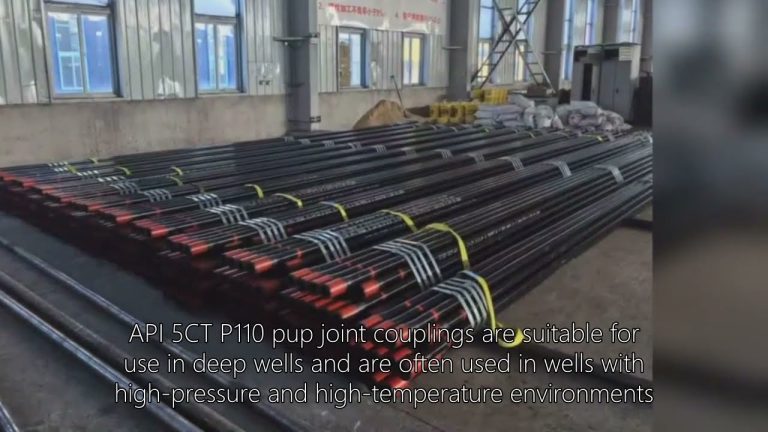
Factory OEM Supply API 5ct Seamless Steel Tube Pipes Well Casing Tubing Coupling Joint Oil Well Pipe Tubing CasingFurthermore, the integration of advanced materials science into the development of oil casing technologies has led to innovative solutions that leverage the unique properties of rare materials. For example, researchers are exploring the use of nanostructured coatings that incorporate rare materials to create protective barriers against corrosion and wear. These coatings can significantly enhance the performance of traditional casing materials, providing an additional layer of defense against the corrosive effects of drilling fluids and formation fluids.
As the Oil and Gas industry contiNues to evolve, the demand for more durable and efficient casing solutions will only increase. The exploration of rare materials offers a promising avenue for meeting these demands, as their unique properties can be tailored to address specific challenges faced in various drilling environments. By investing in research and development focused on the application of rare materials, the industry can unlock new possibilities for enhancing the durability and reliability of oil casing systems.
In conclusion, the role of rare materials in enhancing oil casing durability cannot be overstated. Their unique mechanical, thermal, and chemical properties provide significant advantages that contribute to the overall performance of casing systems. As the industry seeks to improve operational efficiency and reduce environmental risks, the continued exploration and application of rare materials will be essential in shaping the future of oil extraction technologies. By embracing these innovations, operators can ensure the integrity of their operations while navigating the complexities of an ever-changing energy landscape.
Environmental Impacts of Probing Rare Materials for Oil Casing Applications
The exploration and extraction of rare materials for oil casing applications have garnered significant attention in recent years, particularly due to the increasing demand for more durable and efficient materials in the oil and gas industry. However, the environmental impacts associated with probing these rare materials cannot be overlooked. As the industry seeks to enhance the performance of oil casings, it is essential to consider the ecological consequences of sourcing these materials, which often involves mining operations that can disrupt local ecosystems.
Mining for rare materials typically requires extensive land use, leading to habitat destruction and fragmentation. This disruption can have profound effects on local flora and fauna, as species may be forced to relocate or face extinction due to the loss of their natural habitats. Furthermore, the process of extracting these materials often involves the use of heavy machinery, which can contribute to soil erosion and degradation. The removal of vegetation not only destabilizes the soil but also reduces the land’s ability to absorb water, increasing the risk of flooding and altering local hydrology.
In addition to habitat destruction, the extraction of rare materials can lead to significant water pollution. Mining operations often generate waste materials that can leach harmful chemicals into nearby water sources. These pollutants can contaminate drinking water supplies and harm aquatic ecosystems, leading to a decline in biodiversity. The introduction of heavy metals and other toxic substances into the environment poses a serious threat to both human health and wildlife, as these contaminants can accumulate in the food chain, resulting in long-term ecological consequences.
Moreover, the carbon footprint associated with the extraction and processing of rare materials is another critical factor to consider. The energy-intensive nature of mining operations contributes to greenhouse gas emissions, exacerbating climate change. As the world grapples with the urgent need to reduce carbon emissions, the oil and gas industry must evaluate the sustainability of its practices, including the sourcing of materials for oil casing applications. Transitioning to more environmentally friendly alternatives or improving the efficiency of extraction processes could mitigate some of these impacts.
The social implications of rare material extraction also warrant attention. Mining activities can lead to conflicts over land use, particularly in regions where indigenous communities rely on the land for their livelihoods. The encroachment of mining operations can disrupt traditional practices and threaten the cultural heritage of these communities. It is crucial for Companies to engage with local populations and consider their rights and needs when planning extraction projects. Implementing responsible mining practices that prioritize community well-being can help alleviate some of the social tensions associated with rare material sourcing.
In conclusion, while probing rare materials for oil casing applications presents opportunities for advancements in the oil and gas industry, it is imperative to address the environmental impacts that acCompany these activities. From habitat destruction and water pollution to the carbon footprint of mining operations, the consequences of sourcing rare materials are far-reaching. By adopting sustainable practices and engaging with local communities, the industry can work towards minimizing its ecological footprint while still meeting the demands for more efficient oil casing solutions. Balancing economic interests with environmental stewardship is essential for ensuring a sustainable future in the oil and gas sector.