أهمية السمات الجوهرية في اختيار مواد تغليف الزيت
2020 علبة الزيوت العطرية المصنوعة حسب الطلب من المصانع
العوامل الرئيسية المؤثرة في اختيار مواد تغليف الزيت
علاوة على ذلك، فإن عملية التصنيع ومراقبة جودة مواد التغليف لها أهمية قصوى. إن اتساق وتجانس خصائص المواد، مثل بنية الحبوب والنقاء، يؤثر بشكل مباشر على أدائها في الخدمة. تضمن التقنيات المعدنية الحديثة، بما في ذلك التبريد المتحكم فيه وصناعة السبائك، أن تلبي مواد التغليف معايير الصناعة الصارمة فيما يتعلق بالموثوقية والسلامة.
وبخلاف الخصائص الميكانيكية والكيميائية، تؤثر اعتبارات مثل فعالية التكلفة والتوافر أيضًا على اختيار المواد. في حين أن السبائك عالية الأداء قد توفر خصائص متفوقة، فإن تكلفتها المرتفعة ومحدودية توفرها قد توجه المشغلين نحو بدائل أكثر اقتصادا لا تزال تلبي المتطلبات التشغيلية.
تشكل الاعتبارات البيئية بشكل متزايد معايير اختيار مواد تغليف الزيت. تؤكد الممارسات المستدامة في إنتاج النفط والغاز على استخدام المواد ذات التأثير البيئي الأدنى طوال دورة حياتها، بدءًا من الاستخراج والمعالجة وحتى التخلص منها أو إعادة التدوير. تكتسب المواد القابلة لإعادة التدوير وتلك ذات البصمة الكربونية المنخفضة قوة جذب حيث تسعى الصناعة لتقليل بصمتها البيئية.
في الختام، يعد اختيار مواد تغليف الزيت عملية صنع قرار معقدة تسترشد بفهم شامل لسماتها الجوهرية وأدائها. صفات. تلعب القوة الميكانيكية، ومقاومة التآكل، وتحمل درجة الحرارة والضغط، وجودة التصنيع، وفعالية التكلفة، والتوافر، والاستدامة البيئية، أدوارًا حاسمة في تحديد مدى ملاءمة المواد لظروف بئر معينة. ومن خلال تقييم هذه العوامل بعناية، يمكن للمشغلين ضمان موثوقية آبار النفط وسلامتها وكفاءتها، مما يساهم في نهاية المطاف في التنمية المستدامة لصناعة النفط والغاز.
Key Factors Influencing Selection of Oil Casing Materials
In the realm of oil exploration and production, the choice of casing materials plays a pivotal role in ensuring the integrity and longevity of wells. The selection process involves a meticulous evaluation of various intrinsic traits that directly influence the performance and reliability of these materials under demanding conditions.
One of the primary considerations in selecting oil casing materials is their mechanical strength. The materials must withstand immense pressures and stresses exerted by the surrounding geological formations and the hydrocarbons they contain. high tensile strength is crucial to prevent deformation and failure, particularly in deep wells where the Weight of the casing itself can exert substantial forces. Materials such as Carbon Steels, alloy steels, and even non-metallic composites are evaluated for their ability to maintain structural integrity over the lifetime of the well.
Corrosion resistance is another critical factor. Oil Wells are often exposed to corrosive environments due to the presence of saline water, acidic Gases, and chemical additives used in drilling and production processes. Stainless Steels and corrosion-resistant alloys are favored for their ability to withstand such aggressive conditions without significant deterioration. Coatings and linings may also be applied to enhance the material’s resistance to corrosion, extending the operational lifespan of the casing.
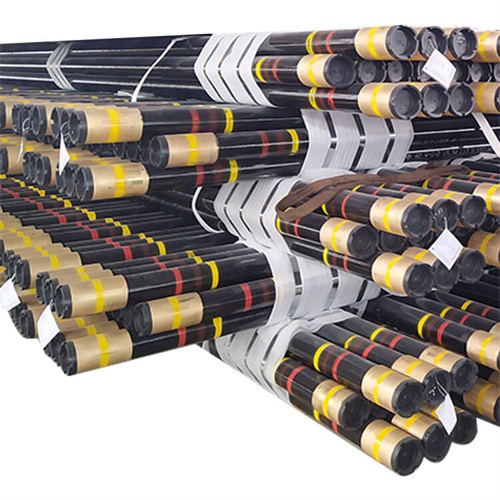
Temperature and pressure resistance are intrinsically linked to the thermal and mechanical properties of the casing materials. In deep reservoirs, temperatures can soar while pressures can exceed several thousand pounds per square inch (psi). Materials must exhibit adequate thermal stability and resistance to creep (deformation under sustained load) to maintain their structural integrity under these extreme conditions. Advanced alloys and heat-treated steels are engineered to withstand high temperatures and pressures encountered at greater depths.
Moreover, the manufacturing process and quality control of casing materials are paramount. The consistency and homogeneity of the material properties, such as grain structure and purity, directly impact its performance in service. Modern metallurgical techniques, including controlled cooling and alloying, ensure that casing materials meet stringent industry standards for reliability and safety.
Beyond mechanical and chemical properties, considerations such as cost-effectiveness and availability also influence material selection. While high-performance alloys may offer superior properties, their higher cost and limited availability may steer operators towards more economical alternatives that still meet operational requirements.
Environmental considerations are increasingly sh APIng the selection criteria for oil casing materials. Sustainable practices in Oil and Gas production emphasize the use of materials with minimal environmental impact throughout their lifecycle, from extraction and processing to disposal or recycling. Recyclable materials and tHose with lower carbon footprints are gaining traction as the industry strives to reduce its environmental footprint.
In conclusion, the selection of oil casing materials is a complex decision-making process guided by a thorough understanding of their intrinsic traits and performance characteristics. Mechanical strength, corrosion resistance, temperature and pressure tolerance, manufacturing quality, cost-effectiveness, availability, and environmental sustainability all play crucial roles in determining the suitability of materials for specific well conditions. By carefully evaluating these factors, operators can ensure the reliability, safety, and efficiency of oil wells, ultimately contributing to the sustainable development of the oil and gas industry.