Importance of Intrinsic Traits in Oil Casing Materials Selection
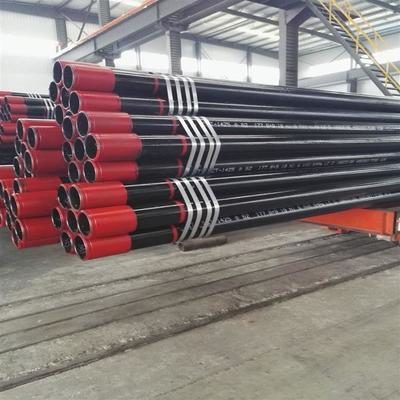
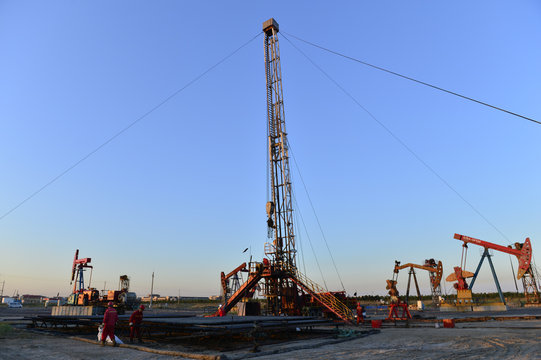
In the realm of oil exploration and extraction, the choice of casing materials plays a pivotal role in ensuring the efficiency, safety, and longevity of operations. Among the myriad factors influencing this decision, intrinsic traits of materials stand out as crucial determinants. These intrinsic traits encompass a range of physical, mechanical, and chemical properties that directly impact the casing’s performance in the harsh environments characteristic of Oil Wells.
2020 Factories Custom Made Essential oils case
One of the primary intrinsic traits considered in the selection of oil casing materials is Corrosion resistance. Oil wells are exposed to highly corrosive substances such as hydrogen sulfide (H2S) and carbon dioxide (CO2), as well as brines containing chloride ions. The casing material must possess robust corrosion resistance to withstand these aggressive conditions over an extended operational lifespan. Materials like corrosion-resistant alloys (CRAs) such as martensitic Stainless Steels, duplex stainless steels, and nickel-based alloys are preferred for their ability to resist corrosion in such environments.
Mechanical properties are equally vital in ensuring the structural integrity of oil casing materials. The material must exhibit High strength to withstand the mechanical stresses imposed during casing installation and operation. Factors such as yield strength, ultimate tensile strength, and toughness are carefully evaluated to ensure the casing can endure the pressures, loads, and impacts encountered in downhole conditions without failure. Steels with optimized mechanical properties, achieved through precise alloying and heat treatment processes, are typically cHosen to meet these stringent requirements.
Another critical intrinsic trait is the material’s thermal stability and resistance to thermal degradation. Oil wells often experience high temperatures due to the geothermal gradient and production processes. The casing material must maintain its mechanical properties and structural integrity at elevated temperatures without undergoing significant degradation. Heat-resistant alloys, including high-chromium steels and nickel-based alloys, are selected for their ability to retain strength and corrosion resistance under thermal stress.
Furthermore, the manufacturability and weldability of casing materials are essential considerations. The material should be readily formable into Pipes of various sizes and shapes while maintaining dimensional stability and uniformity. Weldability is crucial for onsite assembly and Repair operations, ensuring the integrity of Connections and joints throughout the Casing string.
Beyond these technical considerations, economic factors also influence the selection of casing materials. The overall lifecycle cost, which includes procurement, installation, Maintenance, and decommissioning, must be optimized. While advanced materials may offer superior performance, their higher initial costs must be weighed against potential savings in operational efficiency and longevity.
In practice, the selection of oil casing materials involves a comprehensive evaluation of these intrinsic traits in conjunction with external factors such as regulatory requirements, environmental impact, and operational constraints. Engineers and metallurgists collaborate closely to analyze data from laboratory testing, field trials, and historical performance records to make informed decisions.
Ultimately, the goal of selecting oil casing materials based on their intrinsic traits is to enhance the reliability and sustainability of oil well operations. By choosing materials that exhibit superior corrosion resistance, mechanical strength, thermal stability, and manufacturability, operators can mitigate risks, reduce downtime, and optimize production efficiency. As technology advances and new materials are developed, the evolution of oil casing materials contiNues to drive innovation in the Oil and Gas industry, ensuring its resilience and adaptability in an ever-changing global landscape.
Key Factors Influencing Selection of Oil Casing Materials
In the realm of oil exploration and production, the choice of casing materials plays a pivotal role in ensuring the integrity and longevity of wells. The selection process involves a meticulous evaluation of various intrinsic traits that directly influence the performance and reliability of these materials under demanding conditions.
One of the primary considerations in selecting oil casing materials is their mechanical strength. The materials must withstand immense pressures and stresses exerted by the surrounding geological formations and the hydrocarbons they contain. High tensile strength is crucial to prevent deformation and failure, particularly in deep wells where the Weight of the casing itself can exert substantial forces. Materials such as Carbon steels, alloy steels, and even non-metallic composites are evaluated for their ability to maintain structural integrity over the lifetime of the well.
Corrosion resistance is another critical factor. Oil wells are often exposed to corrosive environments due to the presence of saline water, acidic gases, and chemical additives used in drilling and production processes. Stainless steels and corrosion-resistant alloys are favored for their ability to withstand such aggressive conditions without significant deterioration. Coatings and linings may also be applied to enhance the material’s resistance to corrosion, extending the operational lifespan of the casing.
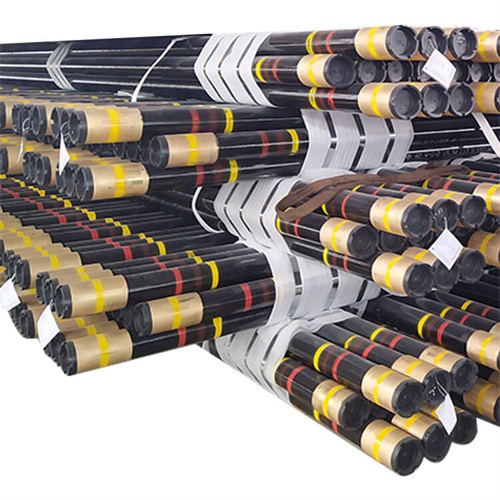
Temperature and pressure resistance are intrinsically linked to the thermal and mechanical properties of the casing materials. In deep reservoirs, temperatures can soar while pressures can exceed several thousand pounds per square inch (psi). Materials must exhibit adequate thermal stability and resistance to creep (deformation under sustained load) to maintain their structural integrity under these extreme conditions. Advanced alloys and heat-treated steels are engineered to withstand high temperatures and pressures encountered at greater depths.
Moreover, the manufacturing process and quality control of casing materials are paramount. The consistency and homogeneity of the material properties, such as grain structure and purity, directly impact its performance in service. Modern metallurgical techniques, including controlled cooling and alloying, ensure that casing materials meet stringent industry standards for reliability and safety.
Beyond mechanical and chemical properties, considerations such as cost-effectiveness and availability also influence material selection. While high-performance alloys may offer superior properties, their higher cost and limited availability may steer operators towards more economical alternatives that still meet operational requirements.
Environmental considerations are increasingly sh APIng the selection criteria for oil casing materials. Sustainable practices in oil and gas production emphasize the use of materials with minimal environmental impact throughout their lifecycle, from extraction and processing to disposal or recycling. Recyclable materials and those with lower carbon footprints are gaining traction as the industry strives to reduce its environmental footprint.
In conclusion, the selection of oil casing materials is a complex decision-making process guided by a thorough understanding of their intrinsic traits and performance characteristics. Mechanical strength, corrosion resistance, temperature and pressure tolerance, manufacturing quality, cost-effectiveness, availability, and environmental sustainability all play crucial roles in determining the suitability of materials for specific well conditions. By carefully evaluating these factors, operators can ensure the reliability, safety, and efficiency of oil wells, ultimately contributing to the sustainable development of the oil and gas industry.