العوامل الاقتصادية المؤثرة على الطلب والعرض
تساهم معنويات السوق وسلوك المستثمرين بشكل أكبر في تقلب الأسعار في سوق التغليف. يمكن أن يؤدي تداول المضاربة، مدفوعًا بتوقعات أسعار النفط المستقبلية أو الأحداث الجيوسياسية، إلى تحركات أسعار مبالغ فيها ومنفصلة عن أساسيات العرض والطلب الأساسية. في مثل هذه الحالات، قد ينخرط المشاركون في السوق في عمليات شراء أو بيع قصيرة الأجل، مما يؤدي إلى تفاقم تقلبات الأسعار.
تؤثر الاعتبارات البيئية بشكل متزايد على سوق التغليف مع تكثيف الجهود العالمية للتخفيف من تغير المناخ. ومن الممكن أن يؤدي التحول نحو مصادر الطاقة المتجددة والأنظمة البيئية الصارمة إلى إضعاف توقعات الطلب على المدى الطويل على الوقود الأحفوري، بما في ذلك النفط. وبالتالي، قد تقوم شركات النفط بإعادة تقييم استراتيجيات التنقيب والإنتاج الخاصة بها، مما يؤثر على متطلبات التغليف المستقبلية.
في الختام، تنبع الطبيعة غير المستقرة لأسعار سوق غلاف النفط من العديد من العوامل الاقتصادية التي تؤثر بشكل جماعي على ديناميكيات العرض والطلب. ومن التقلبات في الطلب العالمي على النفط بسبب الدورات الاقتصادية والتوترات الجيوسياسية إلى التقدم التكنولوجي والتحولات التنظيمية، يساهم كل عامل بشكل فريد في التقلبات الملحوظة في أسعار الغلاف. يجب على المشاركين في السوق الذين يتنقلون في هذا المشهد المعقد أن يظلوا يقظين للاتجاهات المتطورة وأن يكونوا بارعين في تفسير الدوافع الأساسية التي تشكل مستقبل سوق أغلفة النفط.
https://youtube.com/watch?v=mlDSyUP5RK0
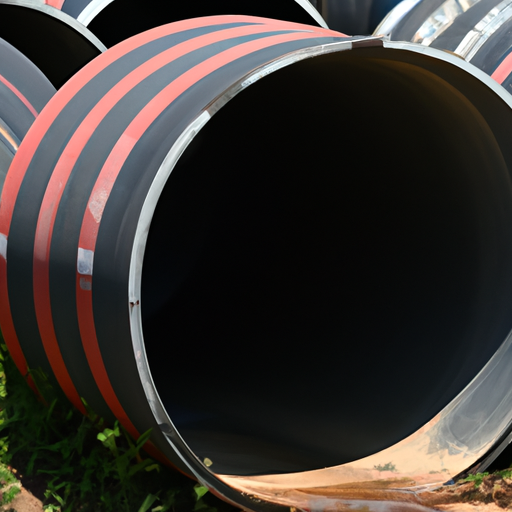 Market sentiment and investor behavior further contribute to Price volatility in the Casing market. Speculative trading, driven by expectations of future Oil prices or geopolitical events, can lead to exaggerated price movements detached from underlying supply and demand fundamentals. In such instances, market participants may engage in short-term buying or selling, exacerbating price swings.
Environmental considerations increasingly influence the casing market as global efforts to mitigate climate change intensify. The shift towards renewable energy sources and stringent environmental regulations can dampen long-term demand projections for fossil fuels, including oil. Consequently, oil Companies may reassess their exploration and production strategies, impacting future casing requirements.
In conclusion, the unstable nature of Oil Casing market prices stems from a multitude of economic factors that collectively influence both supply and demand dynamics. From fluctuations in global oil demand driven by economic cycles and geopolitical tensions to technological advancements and regulatory shifts, each factor contributes uniquely to the volatility observed in casing prices. Market participants navigating this complex landscape must remain vigilant to evolving trends and adept at interpreting the underlying drivers sh APIng the future of the oil casing market.