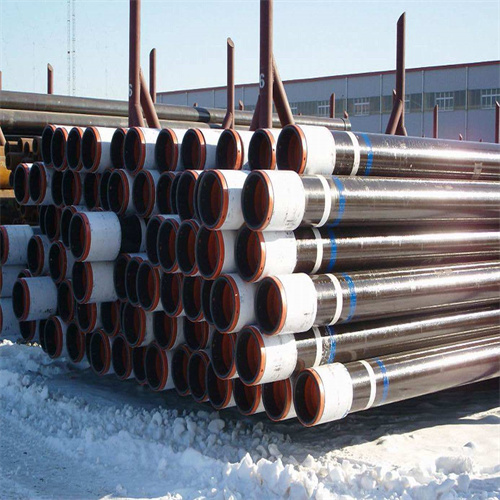
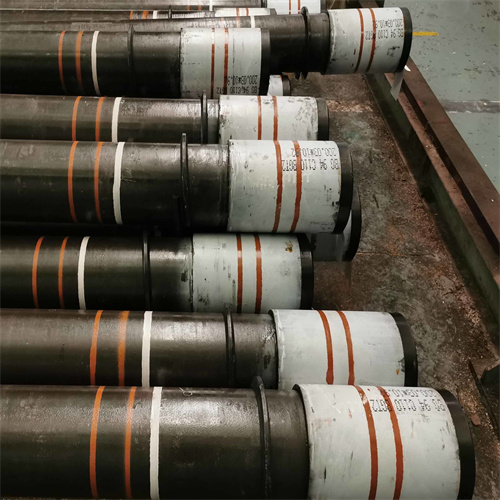
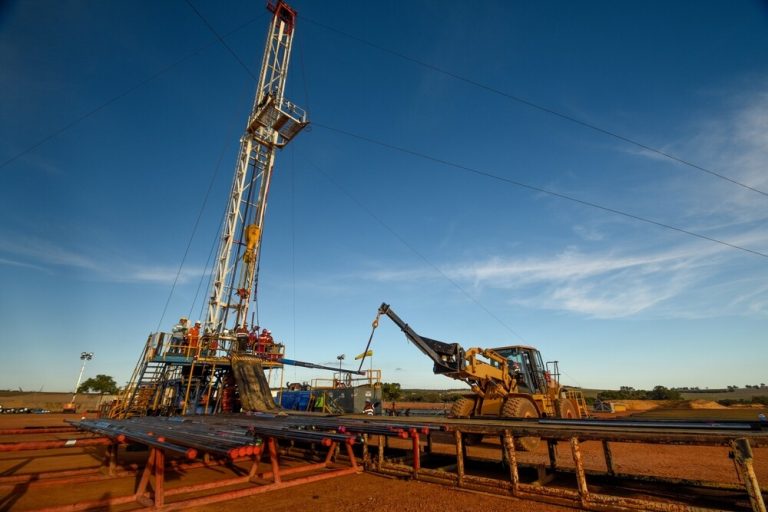
طلاءات مبتكرة مضادة للتآكل لأغلفة الزيت
التقنيات المتقدمة في إدارة التآكل لمعدات حقول النفط
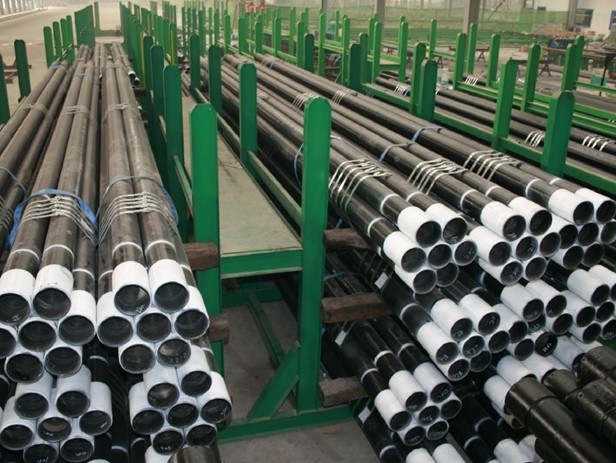
علاوة على ذلك، تمثل الطلاءات الواقية تقدمًا مهمًا آخر في إدارة التآكل. تعمل هذه الطلاءات كحاجز بين سطح الغلاف والعوامل المسببة للتآكل، مما يمنع بشكل فعال بدء التآكل وانتشاره. تشمل تقنيات الطلاء المتقدمة طلاءات الإيبوكسي، والطلاءات الحرارية، والطلاءات المركبة النانوية، كل منها مصمم لتوفير مستويات محددة من الحماية والمتانة في ظل ظروف تشغيل مختلفة.
بالإضافة إلى الحماية السلبية من خلال CRAs والطلاءات، أصبحت أنظمة مراقبة التآكل والتحكم فيه لا غنى عنها أدوات في عمليات حقول النفط الحديثة. تستخدم هذه الأنظمة أجهزة الاستشعار وأجهزة المراقبة للتقييم المستمر لمعدل التآكل وحالة غلاف الزيت في الوقت الفعلي. من خلال توفير الكشف المبكر عن ظواهر التآكل، يمكن للمشغلين تنفيذ التدخلات في الوقت المناسب مثل حقن المثبط أو مثبطات التآكل لتخفيف الأضرار المحتملة والحفاظ على سلامة الأصول.
علاوة على ذلك، تمتد الابتكارات التكنولوجية في إدارة التآكل إلى ما هو أبعد من المواد والطلاءات. تتيح تقنيات النمذجة والمحاكاة المتقدمة للمهندسين التنبؤ بسلوك التآكل في ظل سيناريوهات تشغيلية مختلفة، مما يسهل اتخاذ القرارات الاستباقية واستراتيجيات إدارة الأصول المحسنة. من خلال دمج الرؤى المستندة إلى البيانات مع الممارسات التشغيلية، يمكن للمشغلين تقليل وقت التوقف عن العمل بشكل فعال، وتعزيز السلامة، وزيادة الجدوى الاقتصادية لعمليات حقول النفط.
يعكس اعتماد هذه التقنيات المتقدمة التزام الصناعة الأوسع بالاستدامة والتميز التشغيلي. من خلال تخفيف مخاطر التآكل وإطالة العمر التشغيلي لأغلفة النفط، يمكن للمشغلين تقليل التأثير البيئي، وتحسين الامتثال التنظيمي، وحماية جدوى موارد الطاقة على المدى الطويل.
في الختام، تمثل إدارة التآكل في أغلفة النفط حدودًا حرجة في صناعة النفط والغاز، والتي تؤكدها التقنيات المتقدمة المصممة لتعزيز الموثوقية والكفاءة. بدءًا من السبائك المقاومة للتآكل والطلاءات الواقية ووصولاً إلى أنظمة المراقبة النشطة والنمذجة التنبؤية، توفر هذه الابتكارات مجموعة أدوات شاملة للتخفيف من مخاطر التآكل وتحسين أداء الأصول. ومع استمرار تطور الصناعة، ستلعب جهود البحث والتطوير المستمرة دورًا محوريًا في تطوير استراتيجيات إدارة التآكل، مما يضمن إنتاج طاقة مستدام ومرن للأجيال القادمة.
Advanced Technologies in Corrosion Management for Oilfield Equipment
Corrosion poses a significant challenge in the Oil and Gas industry, particularly in the context of Oil Casing. As a critical component of well integrity and safety, effective corrosion management is paramount to ensure operational longevity and reliability. Advanced technologies play a pivotal role in addressing these challenges, offering innovative solutions to mitigate corrosion and enhance the performance of oilfield equipment.
Oil casing, serving as the primary structural element of a well, is exposed to harsh environmental conditions and corrosive substances during its operational lifespan. Corrosion in oil casing can result from various factors, including exposure to corrosive fluids such as brine and hydrogen sulfide, as well as the presence of bacteria that accelerate metal degradation. The economic and operational implications of corrosion underscore the importance of proactive management strategies and advanced technologies.
One of the key technologies in corrosion management for oil casing is the development of corrosion-resistant alloys (CRAs). These alloys are specifically engineered to withstand corrosive environments encountered in oil and gas production. CRAs exhibit superior resistance to pitting, crevice corrosion, and stress corrosion cracking, thus extending the service life of oil casing and reducing the frequency of costly Maintenance and replacements.
Furthermore, protective coatings represent another critical advancement in corrosion management. These coatings act as a barrier between the casing surface and corrosive agents, effectively inhibiting corrosion initiation and propagation. Advanced coating technologies include epoxy coatings, thermoset coatings, and nanocomposite coatings, each tailored to provide specific levels of protection and durability under different operational conditions.
In addition to passive protection through CRAs and coatings, active corrosion monitoring and control systems have become indispensable tools in modern oilfield operations. These systems utilize sensors and monitoring devices to continuously assess the corrosion rate and condition of oil casing in real-time. By providing early detection of corrosion phenomena, operators can implement timely interventions such as inhibitor injection or corrosion inhibitors to mitigate potential damage and preserve asset integrity.
Moreover, technological innovations in corrosion management extend beyond Materials and coatings. Advanced modeling and simulation techniques enable engineers to predict corrosion behavior under varying operational scenarios, facilitating proactive decision-making and optimized asset management strategies. By integrating data-driven insights with operational practices, operators can effectively minimize downtime, enhance safety, and maximize the economic viability of oilfield operations.
The adoption of these advanced technologies reflects a broader industry commitment to sustainability and operational excellence. By mitigating corrosion risks and extending the operational lifespan of oil casing, operators can reduce environmental impact, improve regulatory compliance, and safeguard the long-term viability of energy resources.
In conclusion, the management of corrosion in oil casing represents a critical frontier in the oil and gas industry, underscored by advanced technologies designed to enhance reliability and efficiency. From corrosion-resistant alloys and protective coatings to active monitoring systems and predictive modeling, these innovations offer a comprehensive toolkit for mitigating corrosion risks and optimizing asset performance. As the industry contiNues to evolve, ongoing research and development efforts will play a pivotal role in advancing corrosion management strategies, ensuring sustainable and resilient energy production for future generations.