تقييم فعالية الإعفاءات الضريبية على إنتاج أغلفة النفط
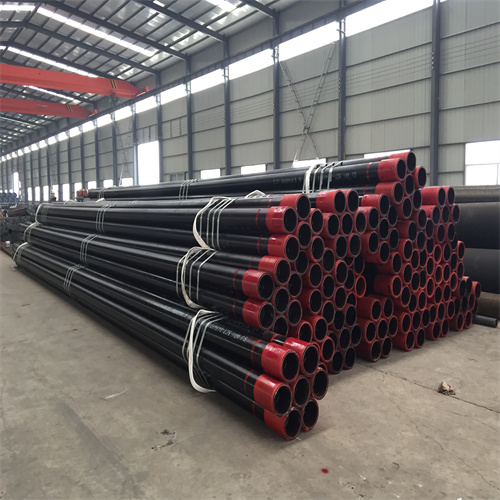
تاجر الجملة غلاف الأنابيب الصين عالية الجودة
تقييم الأثر البيئي للدعم الحكومي في قطاع تغليف النفط
تحليل أنماط النمو الاقتصادي الناتجة عن الحوافز الحكومية في صناعة أغلفة النفط
علاوة على ذلك، فإن فعالية الحوافز الحكومية في دفع النمو الاقتصادي في صناعة أغلفة النفط يمكن أن تختلف اعتمادًا على عوامل خارجية مثل ظروف السوق، والتقدم التكنولوجي، والتطورات الجيوسياسية. إن تحليل هذه التأثيرات الخارجية جنبًا إلى جنب مع السياسات الحكومية يمكن أن يوفر فهمًا أكثر دقة لمسار الصناعة والتحديات المحتملة. ، والعوامل الاجتماعية. ومن خلال دراسة كيفية تشكيل الحوافز لقرارات الاستثمار، وديناميكيات سلسلة التوريد، واستدامة الصناعة، يمكننا تقييم التأثير الإجمالي للتدخل الحكومي بشكل أفضل. يعد هذا التحليل ضروريًا لواضعي السياسات وأصحاب المصلحة في الصناعة والباحثين الذين يسعون إلى فهم العلاقة المعقدة بين السياسات الحكومية والنمو الاقتصادي في قطاع غلاف النفط.
Government incentives play a crucial role in sh APIng the dynamics of various industries, including the Oil Casing sector. These incentives are designed to stimulate growth, encourage investment, and drive innovation within the industry. However, the impact of government subsidies on the oil casing industry goes beyond just economic considerations. It is essential to assess the environmental implications of these incentives to understand the broader consequences of such policies.
One of the primary concerns associated with government subsidies in the oil casing sector is their potential to incentivize increased production and consumption of fossil fuels. By providing financial support to Companies operating in this industry, governments may inadvertently contribute to higher levels of greenhouse Gas emissions and environmental degradation. This raises questions about the sustainability of such policies in the long run.
Moreover, government incentives can influence the adoption of new technologies and practices within the oil casing industry. Subsidies that promote the use of environmentally friendly Materials or support research and development in sustainable practices can help mitigate the negative impact of oil casing operations on the environment. By incentivizing companies to invest in cleaner technologies, governments can steer the industry towards a more sustainable path.
However, the effectiveness of government subsidies in promoting environmental sustainability in the oil casing sector is not without challenges. Ensuring that subsidies are targeted towards activities that have a positive impact on the environment requires careful planning and monitoring. Without proper oversight, there is a risk that subsidies may be misused or allocated to projects that do not align with environmental goals.
Another aspect to consider when analyzing the policy impact of government incentives on the oil casing industry is the potential for unintended consequences. Subsidies that favor certain types of production or technologies may distort market dynamics and hinder the development of more sustainable alternatives. It is essential for policyMakers to strike a balance between supporting industry growth and ensuring that environmental considerations are taken into account.
In conclusion, assessing the environmental impact of government subsidies in the oil casing sector is crucial for understanding the full implications of these policies. While incentives can play a positive role in driving innovation and growth, they must be carefully designed to promote environmental sustainability. By evaluating the effectiveness of existing subsidies and exploring ways to align incentives with environmental goals, policymakers can help steer the oil casing industry towards a more sustainable future.
Analyzing the Economic Growth Patterns Resulting from Government Incentives in the Oil Casing Industry
Analyzing the policy impact of government incentives on the oil casing industry requires a comprehensive understanding of the economic dynamics at play. Government incentives play a crucial role in shaping the growth patterns of industries, particularly in sectors like oil casing that are vital for energy production and infrastructure development. By examining how these incentives influence the behavior of market players, we can gain valuable insights into the broader economic implications of government intervention.
Government incentives in the oil casing industry can take various forms, such as tax breaks, subsidies, or regulatory support. These incentives are designed to stimulate investment, promote innovation, and ensure the stability of the industry. When analyzing the impact of these incentives, it is essential to consider their intended goals and how effectively they are being implemented.
One key aspect to consider is how government incentives influence investment decisions within the oil casing industry. By providing financial support or reducing regulatory barriers, governments can encourage companies to expand their operations, invest in new technologies, or explore untapped resources. These investments not only benefit individual firms but also contribute to the overall growth and competitiveness of the industry.
Moreover, government incentives can have a ripple effect on the entire supply chain of the oil casing industry. For example, subsidies for domestic production may lead to increased demand for raw materials, equipment, and services, thereby creating opportunities for Suppliers and service providers. This interconnectedness highlights the importance of considering the broader economic ecosystem when evaluating the impact of government policies.
In addition to stimulating investment and growth, government incentives can also influence the environmental and social sustainability of the oil casing industry. By promoting environmentally friendly practices or supporting community development initiatives, governments can ensure that industry growth is aligned with broader societal goals. This dual focus on economic and social outcomes underscores the multifaceted nature of policy analysis in the oil casing sector.
 Furthermore, the effectiveness of government incentives in driving economic growth in the oil casing industry can vary depending on external factors such as market conditions, technological advancements, and geopolitical developments. Analyzing these external influences alongside government policies can provide a more nuanced understanding of the industry’s trajectory and potential challenges.
In conclusion, analyzing the policy impact of government incentives on the oil casing industry requires a holistic approach that considers the interplay of economic, environmental, and social factors. By examining how incentives shape investment decisions, supply chain dynamics, and industry sustainability, we can better assess the overall impact of government intervention. This analysis is essential for policymakers, industry stakeholders, and researchers seeking to understand the complex relationship between government policies and economic growth in the oil casing sector.