Évaluer l’efficacité des allègements fiscaux sur la production de tubages pétroliers
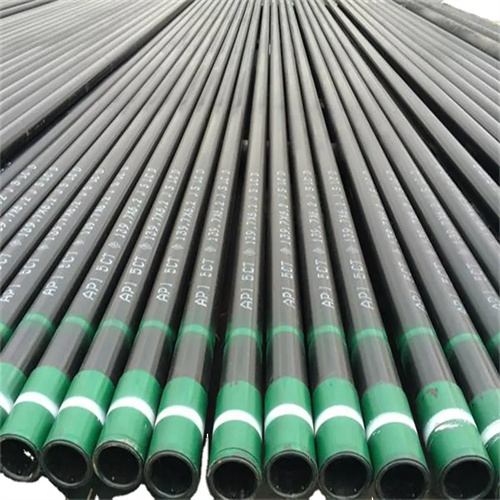
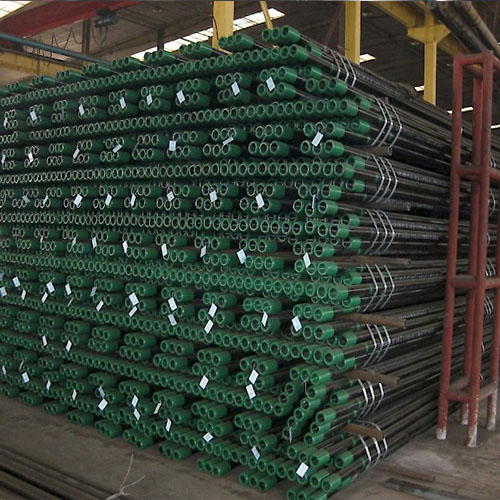
tuyaux de tubage grossiste de haute qualité en Chine
Évaluation de l’impact environnemental des subventions gouvernementales dans le secteur du tubage pétrolier
Analyse des modèles de croissance économique résultant des incitations gouvernementales dans l’industrie du tubage pétrolier
L’analyse de l’impact politique des incitations gouvernementales sur l’industrie du tubage pétrolier nécessite une compréhension globale de la dynamique économique en jeu. Les incitations gouvernementales jouent un rôle crucial dans l’élaboration des modèles de croissance des industries, en particulier dans des secteurs comme le pétrole, qui sont vitaux pour la production d’énergie et le développement des infrastructures. En examinant comment ces incitations influencent le comportement des acteurs du marché, nous pouvons obtenir des informations précieuses sur les implications économiques plus larges de l’intervention gouvernementale.
Les incitations gouvernementales dans l’industrie du tubage pétrolier peuvent prendre diverses formes, telles que des allègements fiscaux, des subventions ou un soutien réglementaire. . Ces incitations visent à stimuler les investissements, à promouvoir l’innovation et à assurer la stabilité de l’industrie. Lors de l’analyse de l’impact de ces incitations, il est essentiel de prendre en compte leurs objectifs visés et l’efficacité avec laquelle ils sont mis en œuvre.
En outre, l’efficacité des incitations gouvernementales pour stimuler la croissance économique dans l’industrie du tubage pétrolier peut varier en fonction de facteurs externes tels que les conditions du marché, les progrès technologiques et les évolutions géopolitiques. L’analyse de ces influences externes parallèlement aux politiques gouvernementales peut fournir une compréhension plus nuancée de la trajectoire de l’industrie et des défis potentiels.
En conclusion, l’analyse de l’impact politique des incitations gouvernementales sur l’industrie du carter pétrolier nécessite une approche holistique qui prend en compte l’interaction des facteurs économiques, environnementaux. et les facteurs sociaux. En examinant comment les incitations façonnent les décisions d’investissement, la dynamique de la chaîne d’approvisionnement et la durabilité de l’industrie, nous pouvons mieux évaluer l’impact global de l’intervention gouvernementale. Cette analyse est essentielle pour les décideurs politiques, les parties prenantes de l’industrie et les chercheurs qui cherchent à comprendre la relation complexe entre les politiques gouvernementales et la croissance économique dans le secteur du tubage pétrolier.
Analyzing the Economic Growth Patterns Resulting from Government Incentives in the Oil Casing Industry
Analyzing the policy impact of government incentives on the oil casing industry requires a comprehensive understanding of the economic dynamics at play. Government incentives play a crucial role in sh APIng the growth patterns of industries, particularly in sectors like oil casing that are vital for energy production and infrastructure development. By examining how these incentives influence the behavior of market players, we can gain valuable insights into the broader economic implications of government intervention.
Government incentives in the oil casing industry can take various forms, such as tax breaks, subsidies, or regulatory support. These incentives are designed to stimulate investment, promote innovation, and ensure the stability of the industry. When analyzing the impact of these incentives, it is essential to consider their intended goals and how effectively they are being implemented.
One key aspect to consider is how government incentives influence investment decisions within the oil casing industry. By providing financial support or reducing regulatory barriers, governments can encourage Companies to expand their operations, invest in new technologies, or explore untapped resources. These investments not only benefit individual firms but also contribute to the overall growth and competitiveness of the industry.
Moreover, government incentives can have a ripple effect on the entire supply chain of the oil casing industry. For example, subsidies for domestic production may lead to increased demand for raw Materials, equipment, and services, thereby creating opportunities for Suppliers and service providers. This interconnectedness highlights the importance of considering the broader economic ecosystem when evaluating the impact of government policies.
In addition to stimulating investment and growth, government incentives can also influence the environmental and social sustainability of the oil casing industry. By promoting environmentally friendly practices or supporting community development initiatives, governments can ensure that industry growth is aligned with broader societal goals. This dual focus on economic and social outcomes underscores the multifaceted nature of policy analysis in the oil casing sector.
 Furthermore, the effectiveness of government incentives in driving economic growth in the oil casing industry can vary depending on external factors such as market conditions, technological advancements, and geopolitical developments. Analyzing these external influences alongside government policies can provide a more nuanced understanding of the industry’s trajectory and potential challenges.
In conclusion, analyzing the policy impact of government incentives on the oil casing industry requires a holistic approach that considers the interplay of economic, environmental, and social factors. By examining how incentives shape investment decisions, supply chain dynamics, and industry sustainability, we can better assess the overall impact of government intervention. This analysis is essential for policyMakers, industry stakeholders, and researchers seeking to understand the complex relationship between government policies and economic growth in the oil casing sector.