التقدم في أبحاث مواد تغليف النفط في الصين
هناك مجال آخر يتم التركيز عليه في أبحاث مواد تغليف النفط في الصين وهو المواد المركبة. ومن خلال الجمع بين مواد مختلفة، مثل البوليمرات والمعادن، ابتكر الباحثون حلولاً مبتكرة توفر مزيجًا فريدًا من القوة والمرونة ومقاومة التآكل. لقد فتحت هذه المواد المركبة إمكانيات جديدة لتصميم أغلفة مخصصة يمكنها تحمل الظروف القاسية.
أفضل خمس مواد لتغليف الزيت في الصين

تلعب الصين دورًا محوريًا في صناعة النفط العالمية، مع التركيز بشكل كبير على البحث والتطوير في مواد تغليف النفط. يعد اختيار المواد اللازمة لتغليف النفط أمرًا بالغ الأهمية لأنه يؤثر بشكل مباشر على كفاءة وسلامة عمليات استخراج النفط. في الصين، يتم إجراء أبحاث مكثفة لتحديد المواد الأكثر ملاءمة لتطبيقات أغلفة النفط. تتعمق هذه المقالة في أهم خمس مواد تقود الطريق في أبحاث مواد تغليف النفط في الصين.
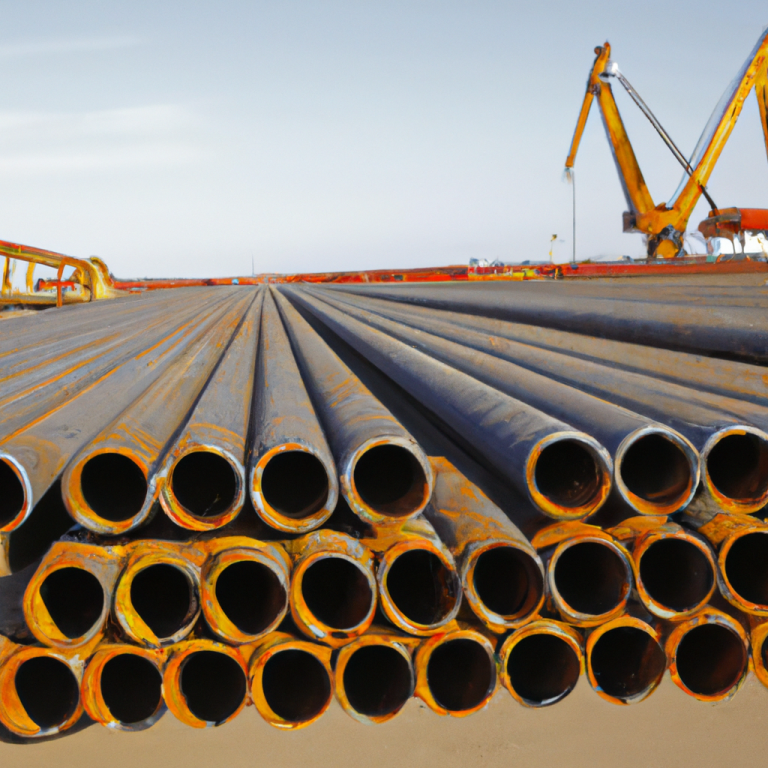
إحدى المواد الأولية التي تكتسب أهمية كبيرة في تطبيقات أغلفة النفط هي الفولاذ الكربوني. يُعرف الفولاذ الكربوني بمتانته وقوته، ويستخدم على نطاق واسع في الصين لتغليف النفط نظرًا لقدرته على تحمل الضغط العالي والظروف البيئية القاسية. إن فعاليته من حيث التكلفة وسهولة توفره تجعله خيارًا مفضلاً للعديد من مشاريع التنقيب عن النفط في جميع أنحاء البلاد.
بالانتقال إلى مادة رئيسية أخرى، لدينا الفولاذ المقاوم للصدأ، والذي يوفر مقاومة ممتازة للتآكل. في الصين، يُفضل استخدام الفولاذ المقاوم للصدأ في أغلفة الزيت في البيئات التي يشكل فيها التآكل مصدر قلق كبير. إن قدرته على الحفاظ على السلامة الهيكلية في الظروف المسببة للتآكل تجعله خيارًا موثوقًا لعمليات استخراج النفط على المدى الطويل.
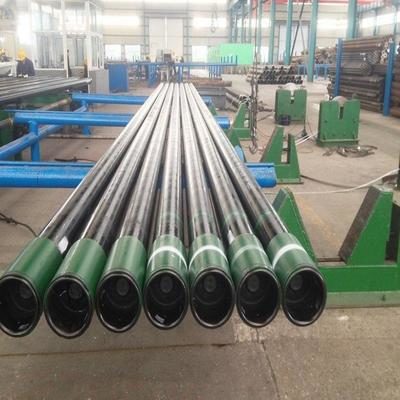
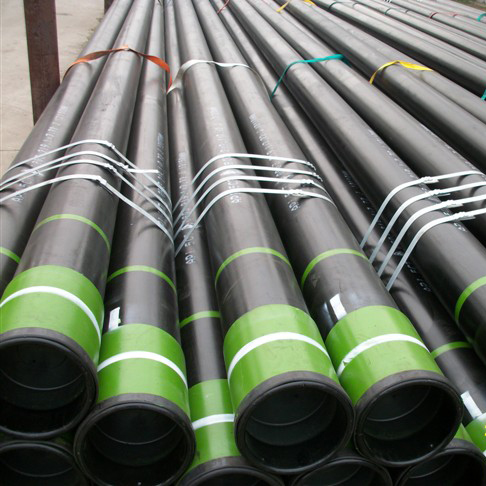
API 5ct N80 التالي في القائمة هو سبائك الفولاذ، وهي مادة معروفة بخصائصها الميكانيكية الاستثنائية. يتم بحث سبائك الفولاذ على نطاق واسع في الصين لتطبيقات أغلفة الزيت نظرًا لقوة الشد العالية ومقاومتها للتآكل. هذه المادة مناسبة بشكل خاص لبيئات الحفر الصعبة حيث تسود ظروف الضغط ودرجة الحرارة الشديدة.
علاوة على ذلك، ظهرت مركبات البلاستيك المقوى بالألياف الزجاجية (FRP) كبديل واعد لتغليف النفط في الصين. توفر مركبات FRP مزيجًا فريدًا من القوة العالية ومقاومة التآكل وخصائص الوزن الخفيف. تتم دراسة هذه المواد على نطاق واسع لقدرتها على إحداث ثورة في صناعة أغلفة النفط من خلال توفير حل دائم وفعال من حيث التكلفة.
أخيرًا وليس آخرًا، لدينا سبائك التيتانيوم، التي تكتسب قوة جذب في أبحاث أغلفة النفط في الصين. تُعرف سبائك التيتانيوم بنسبة القوة إلى الوزن الاستثنائية ومقاومتها للتآكل، مما يجعلها مثالية لتطبيقات التنقيب عن النفط الصعبة. في حين أن سبائك التيتانيوم قد تكون أكثر تكلفة مقارنة بالمواد الأخرى، فإن خصائص أدائها المتفوقة تبرر استخدامها في مشاريع استخراج النفط الهامة. قطاع الغاز. تمثل أهم خمس مواد تمت مناقشتها في هذه المقالة – الفولاذ الكربوني، والفولاذ المقاوم للصدأ، وسبائك الفولاذ، ومركبات FRP، وسبائك التيتانيوم – أحدث علوم المواد في تطبيقات أغلفة النفط. ومن خلال الاستفادة من هذه المواد المتقدمة، تستعد الصين لقيادة الطريق في تعزيز كفاءة وسلامة واستدامة عمليات استخراج النفط على نطاق عالمي.
Top Five Materials for Oil Casing in china
China plays a pivotal role in the global oil industry, with a significant focus on research and development in Oil casing materials. The choice of materials for oil casing is crucial as it directly impacts the efficiency and safety of oil extraction processes. In China, extensive research is conducted to identify the most suitable materials for oil casing applications. This article delves into the top five materials that are leading the way in oil casing material research in China.
One of the primary materials gaining prominence in oil casing applications is Carbon Steel. Known for its durability and strength, carbon steel is widely used in China for oil casing due to its ability to withstand high pressure and harsh environmental conditions. Its cost-effectiveness and ease of availability make it a preferred choice for many oil drilling projects across the country.
Moving on to another key material, we have Stainless Steel, which offers excellent Corrosion resistance. In China, stainless steel is favored for oil casing in environments where corrosion is a significant concern. Its ability to maintain structural integrity in corrosive conditions makes it a reliable option for long-term oil extraction operations.
api 5ct n80Next on the list is alloy steel, a material known for its exceptional mechanical properties. Alloy steel is extensively researched in China for oil casing applications due to its high tensile strength and resistance to wear and tear. This material is particularly suitable for challenging drilling environments where extreme pressure and temperature conditions are prevalent.
Furthermore, fiberglass-reinforced plastic (FRP) composites have emerged as a promising alternative for oil casing in China. FRP composites offer a unique combination of High strength, corrosion resistance, and lightWeight properties. These materials are being studied extensively for their potential to revolutionize the oil casing industry by providing a durable and cost-effective solution.
Last but not least, we have Titanium Alloys, which are gaining traction in oil casing research in China. Titanium alloys are known for their exceptional strength-to-weight ratio and corrosion resistance, making them ideal for demanding oil drilling applications. While titanium alloys may be more expensive compared to other materials, their superior performance characteristics justify their use in critical oil extraction projects.
In conclusion, the research and development of oil casing materials in China are at the forefront of innovation in the Oil and Gas sector. The top five materials discussed in this article – carbon steel, stainless steel, alloy steel, FRP composites, and titanium alloys – represent the cutting edge of material science in oil casing applications. By leveraging these advanced materials, China is poised to lead the way in enhancing the efficiency, safety, and sustainability of oil extraction processes on a global scale.