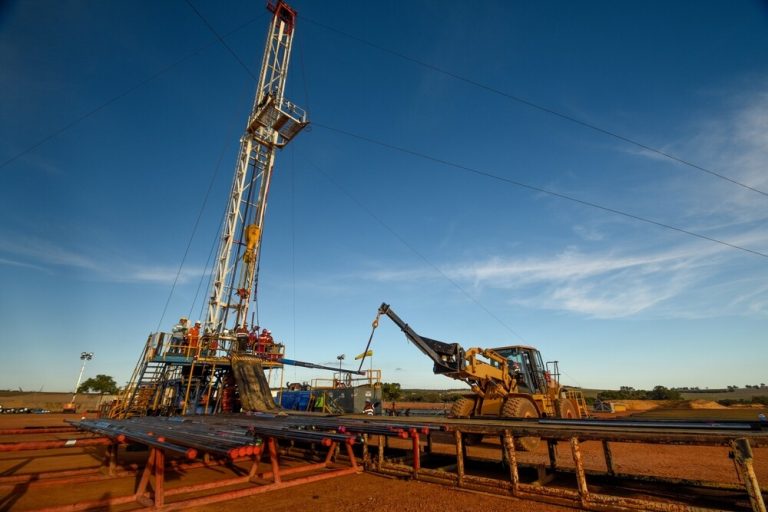
Maendeleo katika Utafiti wa Nyenzo ya Casing ya Mafuta nchini Uchina
Nyenzo Tano Bora za Kuhifadhi Mafuta nchini Uchina
China ina jukumu muhimu katika tasnia ya mafuta ya kimataifa, kwa kuzingatia sana utafiti na maendeleo ya nyenzo za kabati za mafuta. Uchaguzi wa nyenzo za kabati la mafuta ni muhimu kwani huathiri moja kwa moja ufanisi na usalama wa michakato ya uchimbaji wa mafuta. Nchini Uchina, utafiti wa kina unafanywa ili kutambua nyenzo zinazofaa zaidi kwa uwekaji wa kabati la mafuta. Makala haya yanaangazia nyenzo tano za juu ambazo zinaongoza katika utafiti wa nyenzo za uwekaji mafuta nchini Uchina.
Mojawapo ya nyenzo za msingi zinazopata umaarufu katika uwekaji wa kabati la mafuta ni chuma cha kaboni. Inajulikana kwa uimara na nguvu zake, chuma cha kaboni hutumiwa sana nchini China kwa kabati ya mafuta kutokana na uwezo wake wa kuhimili shinikizo la juu na hali mbaya ya mazingira. Ufanisi wake wa gharama na urahisi wa kupatikana huifanya kuwa chaguo linalopendelewa kwa miradi mingi ya uchimbaji mafuta kote nchini.
Tukihamia nyenzo nyingine muhimu, tuna chuma cha pua, ambacho hutoa upinzani bora wa kutu. Huko Uchina, chuma cha pua hupendelewa kwa kabati la mafuta katika mazingira ambayo kutu ni jambo linalosumbua sana. Uwezo wake wa kudumisha uadilifu wa muundo katika hali ya ulikaji huifanya kuwa chaguo linalotegemeka kwa shughuli za muda mrefu za uchimbaji mafuta.
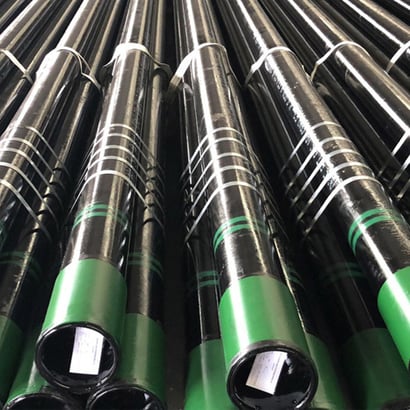
API 5ct N80Inayofuata kwenye orodha ni chuma cha aloi, nyenzo inayojulikana kwa sifa zake za kipekee za kiufundi. Chuma cha aloi kimefanyiwa utafiti wa kina nchini China kwa ajili ya uwekaji kabati ya mafuta kutokana na nguvu yake ya juu ya kustahimili mkazo na upinzani wa kuchakaa na kuchakaa. Nyenzo hii inafaa haswa kwa mazingira magumu ya kuchimba visima ambapo hali ya shinikizo na halijoto imeenea sana.
Zaidi ya hayo, viunzi vya plastiki vilivyoimarishwa kwa glasi ya fiberglass (FRP) vimeibuka kama njia mbadala ya kuweka mafuta nchini Uchina. Mchanganyiko wa FRP hutoa mchanganyiko wa kipekee wa nguvu za juu, upinzani wa kutu, na sifa nyepesi. Nyenzo hizi zinachunguzwa kwa kina kwa uwezo wao wa kuleta mapinduzi katika tasnia ya uwekaji mafuta kwa kutoa suluhisho la kudumu na la gharama nafuu.
Mwisho kabisa, tuna aloi za titanium, ambazo zinapata nguvu katika utafiti wa kabati la mafuta nchini Uchina. Aloi za titani zinajulikana kwa uwiano wao wa kipekee wa nguvu-kwa-uzito na upinzani wa kutu, na kuzifanya kuwa bora kwa mahitaji ya kuchimba mafuta. Ingawa aloi za titani zinaweza kuwa ghali zaidi ikilinganishwa na vifaa vingine, sifa zao za utendaji bora zinahalalisha matumizi yao katika miradi muhimu ya uchimbaji wa mafuta.
Kwa kumalizia, utafiti na uundaji wa nyenzo za kuweka mafuta nchini Uchina ziko mstari wa mbele katika uvumbuzi katika mafuta na sekta ya gesi. Nyenzo tano za juu zilizojadiliwa katika nakala hii – chuma cha kaboni, chuma cha pua, chuma cha aloi, composites za FRP, na aloi za titani – zinawakilisha makali ya sayansi ya nyenzo katika utumiaji wa casing ya mafuta. Kwa kutumia nyenzo hizi za hali ya juu, China iko tayari kuongoza njia katika kuongeza ufanisi, usalama na uendelevu wa michakato ya uchimbaji wa mafuta katika kiwango cha kimataifa.

Furthermore, China has been exploring the use of advanced coatings to enhance the performance of Oil Casings. These coatings provide an additional layer of protection against corrosion and wear, extending the life of the casing and reducing Maintenance costs. By investing in research on coatings, China has demonstrated its commitment to continuous improvement and excellence in Oil casing Materials.
Lastly, China’s research efforts have also focused on developing environmentally friendly materials for oil casings. With a growing emphasis on sustainability and eco-conscious practices, researchers have been exploring bio-based materials that offer the same level of performance as traditional materials. By prioritizing environmental considerations, China is leading the way in promoting sustainable practices in the Oil and Gas industry.
In conclusion, China’s advancements in oil casing material research have positioned the country as a global leader in the field. Through the development of high-strength Steel, corrosion-resistant alloys, composite materials, advanced coatings, and environmentally friendly options, chinese researchers have set new standards for quality, performance, and sustainability in the oil casing industry. As China contiNues to drive innovation and push the boundaries of material science, the future of oil casing technology looks promising and full of possibilities.
Top Five Materials for Oil Casing in China
China plays a pivotal role in the global oil industry, with a significant focus on research and development in oil casing materials. The choice of materials for oil casing is crucial as it directly impacts the efficiency and safety of oil extraction processes. In China, extensive research is conducted to identify the most suitable materials for oil casing applications. This article delves into the top five materials that are leading the way in oil casing material research in China.
One of the primary materials gaining prominence in oil casing applications is Carbon steel. Known for its durability and strength, carbon steel is widely used in China for oil casing due to its ability to withstand high pressure and harsh environmental conditions. Its cost-effectiveness and ease of availability make it a preferred choice for many oil drilling projects across the country.
Moving on to another key material, we have Stainless Steel, which offers excellent Corrosion resistance. In China, stainless steel is favored for oil casing in environments where corrosion is a significant concern. Its ability to maintain structural integrity in corrosive conditions makes it a reliable option for long-term oil extraction operations.
api 5ct n80Next on the list is alloy steel, a material known for its exceptional mechanical properties. Alloy steel is extensively researched in China for oil casing applications due to its high tensile strength and resistance to wear and tear. This material is particularly suitable for challenging drilling environments where extreme pressure and temperature conditions are prevalent.
Furthermore, fiberglass-reinforced plastic (FRP) composites have emerged as a promising alternative for oil casing in China. FRP composites offer a unique combination of High strength, corrosion resistance, and lightWeight properties. These materials are being studied extensively for their potential to revolutionize the oil casing industry by providing a durable and cost-effective solution.
Last but not least, we have Titanium Alloys, which are gaining traction in oil casing research in China. Titanium alloys are known for their exceptional strength-to-weight ratio and corrosion resistance, making them ideal for demanding oil drilling applications. While titanium alloys may be more expensive compared to other materials, their superior performance characteristics justify their use in critical oil extraction projects.
In conclusion, the research and development of oil casing materials in China are at the forefront of innovation in the oil and gas sector. The top five materials discussed in this article – carbon steel, stainless steel, alloy steel, FRP composites, and titanium alloys – represent the cutting edge of material science in oil casing applications. By leveraging these advanced materials, China is poised to lead the way in enhancing the efficiency, safety, and sustainability of oil extraction processes on a global scale.