فوائد تنفيذ إنترنت الأشياء في التحكم في عمليات صناعة أغلفة النفط
تعزيز الكفاءة من خلال تحليلات البيانات في التحكم في عمليات صناعة أغلفة الزيوت
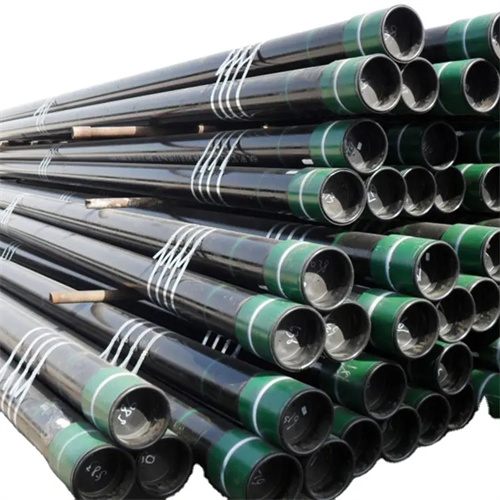
تلعب صناعة أغلفة النفط دوراً حاسماً في استخراج ونقل النفط والغاز. لضمان سلاسة العمليات والأداء الأمثل، يعد التحكم في العمليات أمرًا ضروريًا. في السنوات الأخيرة، أحدث تكامل تحليلات البيانات ثورة في الطريقة التي تتعامل بها صناعة أغلفة النفط مع التحكم في العمليات. من خلال الاستفادة من التقنيات المتقدمة والأدوات التحليلية، يمكن للشركات تعزيز الكفاءة وتقليل التكاليف وتحسين الإنتاجية الإجمالية.
أحد الجوانب الرئيسية للتحكم في العمليات في صناعة أغلفة النفط هو مراقبة وتحليل المعلمات المختلفة في الوقت الفعلي. تسمح تحليلات البيانات للشركات بجمع ومعالجة كميات كبيرة من البيانات من أجهزة الاستشعار والمعدات الموجودة في الميدان. من خلال تحليل هذه البيانات، يمكن للشركات الحصول على رؤى قيمة حول أداء عملياتها، وتحديد المشكلات أو الاختناقات المحتملة، واتخاذ قرارات مستنيرة لتحسين العمليات.
علاوة على ذلك، تتيح تحليلات البيانات إجراء صيانة تنبؤية في صناعة أغلفة النفط. من خلال تحليل البيانات والأنماط التاريخية، يمكن للشركات التنبؤ بالوقت المحتمل لتعطل المعدات وجدولة الصيانة بشكل استباقي لمنع التوقف المكلف. لا يقلل هذا النهج الاستباقي من تكاليف الصيانة فحسب، بل يقلل أيضًا من مخاطر الأعطال غير المتوقعة التي قد تؤدي إلى تعطيل العمليات.
بالإضافة إلى الصيانة التنبؤية، يمكن أيضًا استخدام تحليلات البيانات لتحسين عمليات الإنتاج في صناعة أغلفة النفط. ومن خلال تحليل البيانات المتعلقة بعوامل مثل درجة الحرارة والضغط ومعدلات التدفق والتركيب الكيميائي، يمكن للشركات تحديد الفرص المتاحة لتحسين الكفاءة وتعظيم الإنتاج. يمكن أن يؤدي هذا التحسين إلى توفير كبير في التكاليف وزيادة الربحية لشركات تغليف النفط.
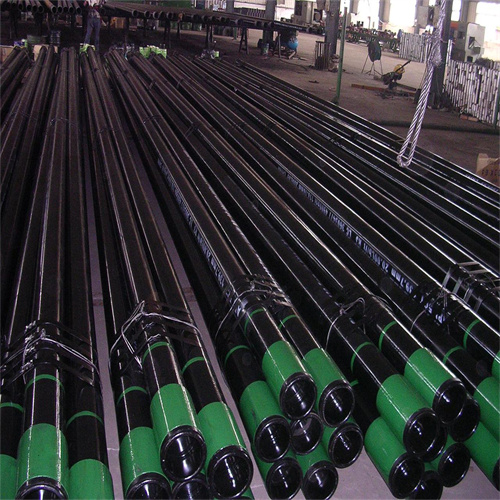
تخزين علب الزيوت الأساسية علاوة على ذلك، تلعب تحليلات البيانات دورًا حاسمًا في ضمان الامتثال للمعايير التنظيمية واللوائح البيئية. ومن خلال مراقبة وتحليل البيانات المتعلقة بالانبعاثات والتخلص من النفايات والعوامل البيئية الأخرى، يمكن للشركات التأكد من أنها تعمل وفقًا للمتطلبات القانونية. وهذا لا يساعد الشركات على تجنب الغرامات والعقوبات فحسب، بل يوضح أيضًا التزامها بالاستدامة ومسؤولية الشركات.
تطبيق مهم آخر لتحليلات البيانات في صناعة أغلفة النفط هو إدارة المخاطر. ومن خلال تحليل البيانات المتعلقة بحوادث السلامة، وأعطال المعدات، وعوامل الخطر الأخرى، يمكن للشركات تحديد المخاطر المحتملة واتخاذ تدابير استباقية للتخفيف منها. يساعد هذا النهج الاستباقي الشركات على منع وقوع الحوادث، وحماية موظفيها، وحماية أصولها.
في الختام، يؤدي دمج تحليلات البيانات في التحكم في العمليات إلى إحداث تحول في صناعة أغلفة النفط. ومن خلال الاستفادة من الأدوات والتقنيات التحليلية المتقدمة، يمكن للشركات تعزيز الكفاءة وخفض التكاليف وتحسين عمليات الإنتاج وضمان الامتثال وإدارة المخاطر بفعالية. مع استمرار تطور الصناعة، ستلعب تحليلات البيانات دورًا متزايد الأهمية في دفع الابتكار والقدرة التنافسية في قطاع تغليف النفط.
The Oil Casing industry plays a crucial role in the extraction and transportation of Oil and Gas. To ensure Smooth operations and optimal performance, process control is essential. In recent years, the integration of data analytics has revolutionized the way the oil casing industry approaches process control. By leveraging advanced technologies and analytical tools, Companies can enhance efficiency, reduce costs, and improve overall productivity.
One of the key aspects of process control in the oil casing industry is monitoring and analyzing various parameters in real-time. Data analytics allows companies to collect and process large volumes of data from sensors and equipment on the field. By analyzing this data, companies can gain valuable insights into the performance of their processes, identify potential issues or bottlenecks, and make informed decisions to optimize operations.
Furthermore, data analytics enables predictive Maintenance in the oil casing industry. By analyzing historical data and patterns, companies can predict when equipment is likely to fail and proactively schedule maintenance to prevent costly downtime. This proactive approach not only reduces maintenance costs but also minimizes the risk of unexpected failures that could disrupt operations.
In addition to predictive maintenance, data analytics can also be used to optimize production processes in the oil casing industry. By analyzing data on factors such as temperature, pressure, flow rates, and chemical composition, companies can identify opportunities to improve efficiency and maximize output. This optimization can lead to significant cost savings and increased profitability for oil casing companies.
Essential oil cases storageMoreover, data analytics plays a crucial role in ensuring compliance with regulatory standards and environmental regulations. By monitoring and analyzing data related to emissions, waste disposal, and other environmental factors, companies can ensure that they are operating in accordance with legal requirements. This not only helps companies avoid fines and penalties but also demonstrates their commitment to sustainability and corporate responsibility.
Another important application of data analytics in the oil casing industry is risk management. By analyzing data on safety incidents, equipment failures, and other risk factors, companies can identify potential risks and take proactive measures to mitigate them. This proactive approach helps companies prevent accidents, protect their employees, and safeguard their assets.
https://youtube.com/watch?v=cfXZde_zGT8
In conclusion, the integration of data analytics in process control is transforming the oil casing industry. By leveraging advanced analytical tools and technologies, companies can enhance efficiency, reduce costs, optimize production processes, ensure compliance, and manage risks effectively. As the industry contiNues to evolve, data analytics will play an increasingly important role in driving innovation and competitiveness in the oil casing sector.

![[oil tube] [Wholesale-Price] [High-Quality] high-quality China](https://www.casingtube.com/wp-content/uploads/2022/03/API-5CT-Q125-Oil-Casing-Pipe-Btc-Ltc-Nue-Eue.jpg)