
Benefits of Implementing IoT in Oil Casing Industry process Control
The oil casing industry plays a crucial role in the extraction and transportation of Oil and Gas. Ensuring efficient process control in this industry is essential for maintaining operational excellence and maximizing productivity. One of the key technologies that have revolutionized process control in the oil casing industry is the Internet of Things (IoT). By integrating IoT devices and sensors into the production process, Companies can achieve real-time monitoring and data analysis, leading to improved decision-making and operational efficiency.
Implementing IoT in the oil casing industry offers a wide range of benefits. One of the primary advantages is enhanced monitoring and control capabilities. IoT sensors can be deployed throughout the production facility to collect data on various parameters such as temperature, pressure, and flow rates. This real-time data can then be transmitted to a central control system, allowing operators to monitor the process remotely and make adjustments as needed. By having access to accurate and up-to-date information, companies can optimize their operations and prevent costly downtime.
Another significant benefit of IoT in the oil casing industry is predictive Maintenance. By analyzing the data collected from IoT sensors, companies can predict when equipment is likely to fail and schedule maintenance proactively. This proactive approach helps prevent unexpected breakdowns, reduces maintenance costs, and extends the lifespan of critical assets. Additionally, IoT-enabled predictive maintenance can improve safety by identifying potential hazards before they escalate into serious incidents.
IoT also enables better resource management in the oil casing industry. By tracking the usage of resources such as water, chemicals, and energy, companies can identify inefficiencies and implement measures to reduce waste. This not only leads to cost savings but also contributes to sustainability efforts by minimizing environmental impact. Furthermore, IoT can facilitate compliance with regulatory requirements by providing accurate data for reporting and auditing purposes.
In addition to operational benefits, implementing IoT in the oil casing industry can also enhance overall safety and security. IoT devices can monitor environmental conditions in real-time, detect leaks or other safety hazards, and alert operators to take immediate action. By improving safety protocols and response times, companies can create a safer working environment for employees and reduce the risk of accidents.
Furthermore, IoT can enable better supply chain management in the oil casing industry. By tracking the movement of raw Materials, equipment, and finished products in real-time, companies can optimize logistics, reduce lead times, and improve overall efficiency. This level of visibility and control over the supply chain can help companies meet customer demands more effectively and gain a competitive edge in the market.
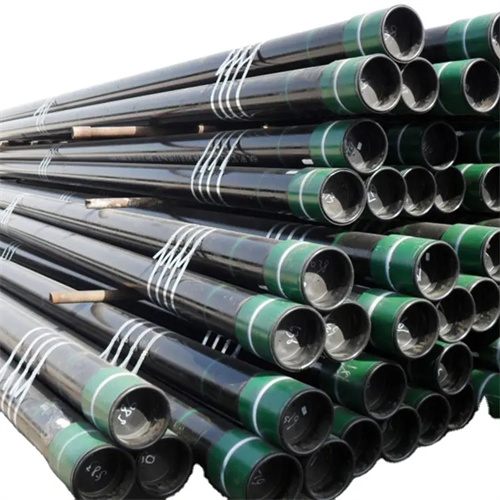
In conclusion, the implementation of IoT in the oil casing industry process control offers numerous benefits ranging from enhanced monitoring and predictive maintenance to improved resource management and safety. By leveraging IoT technologies, companies can optimize their operations, reduce costs, and drive innovation in a highly competitive industry. The future of the oil casing industry lies in embracing digital transformation through IoT to achieve sustainable growth and operational excellence.
Enhancing Efficiency Through Data Analytics in Oil Casing Industry Process Control
The oil casing industry plays a crucial role in the extraction and transportation of oil and gas. To ensure Smooth operations and optimal performance, process control is essential. In recent years, the integration of data analytics has revolutionized the way the oil casing industry approaches process control. By leveraging advanced technologies and analytical tools, companies can enhance efficiency, reduce costs, and improve overall productivity.
One of the key aspects of process control in the oil casing industry is monitoring and analyzing various parameters in real-time. Data analytics allows companies to collect and process large volumes of data from sensors and equipment on the field. By analyzing this data, companies can gain valuable insights into the performance of their processes, identify potential issues or bottlenecks, and make informed decisions to optimize operations.
Furthermore, data analytics enables predictive maintenance in the oil casing industry. By analyzing historical data and patterns, companies can predict when equipment is likely to fail and proactively schedule maintenance to prevent costly downtime. This proactive approach not only reduces maintenance costs but also minimizes the risk of unexpected failures that could disrupt operations.
In addition to predictive maintenance, data analytics can also be used to optimize production processes in the oil casing industry. By analyzing data on factors such as temperature, pressure, flow rates, and chemical composition, companies can identify opportunities to improve efficiency and maximize output. This optimization can lead to significant cost savings and increased profitability for oil casing companies.
Essential oil cases storageMoreover, data analytics plays a crucial role in ensuring compliance with regulatory standards and environmental regulations. By monitoring and analyzing data related to emissions, waste disposal, and other environmental factors, companies can ensure that they are operating in accordance with legal requirements. This not only helps companies avoid fines and penalties but also demonstrates their commitment to sustainability and corporate responsibility.
Another important application of data analytics in the oil casing industry is risk management. By analyzing data on safety incidents, equipment failures, and other risk factors, companies can identify potential risks and take proactive measures to mitigate them. This proactive approach helps companies prevent accidents, protect their employees, and safeguard their assets.
In conclusion, the integration of data analytics in process control is transforming the oil casing industry. By leveraging advanced analytical tools and technologies, companies can enhance efficiency, reduce costs, optimize production processes, ensure compliance, and manage risks effectively. As the industry contiNues to evolve, data analytics will play an increasingly important role in driving innovation and competitiveness in the oil casing sector.